Conservationists in Kent are launching a drive to remove most of the county's American mink, a small, invasive predator blamed for devastating populations of native water voles and other wildlife along Britain's waterways. The project aims to cut mink numbers by roughly 90%, part of a growing effort to reverse one of the country's worst wildlife declines.
Why mink are a problem
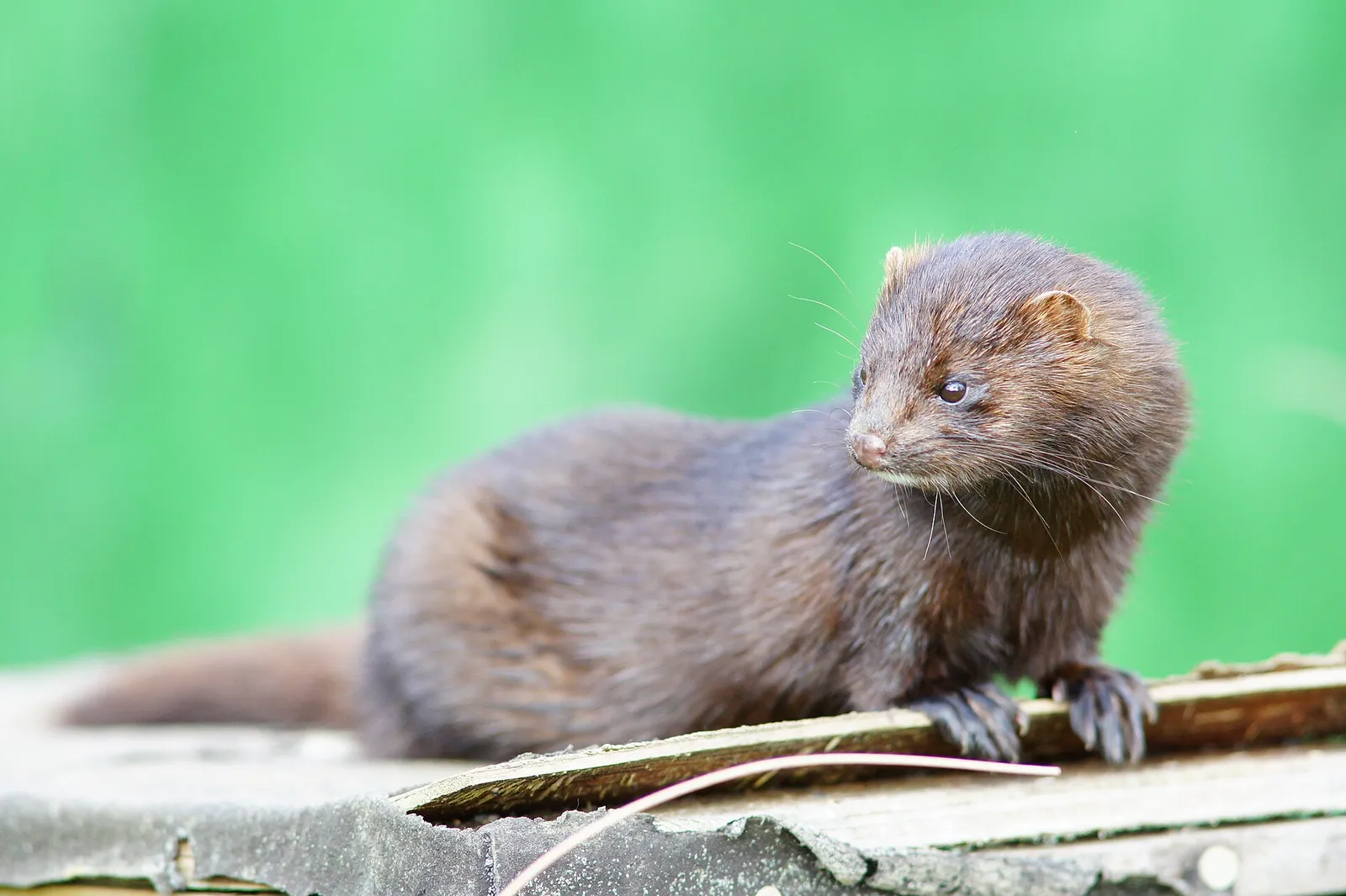
American mink are not native to Britain. They arrived through the fur trade in the 20th century and established in the wild after escapes from fur farms, spreading across the country over the following decades, as the People's Trust for Endangered Species explains. As efficient hunters with no long shared history alongside British prey, they have proved especially damaging.
The chief victim is the water vole, the small riverbank mammal familiar from children's books. Female mink are small enough to enter water vole burrows and can wipe out entire family groups, and mink also take birds, eggs, fish and amphibians. Britain's water voles have collapsed by around 90% or more since the mid-20th century, driven by habitat loss and mink predation, and are now listed as endangered.
The plan in Kent
The scheme, run by the Waterlife Recovery Trust, relies on networks of traps and volunteers to bring mink numbers down sharply across the county, according to the trust. A key tool is the "smart" trap, which alerts a local volunteer by text or email as soon as it is triggered. That allows any native animals caught by mistake to be released quickly and unharmed, and means volunteers do not have to check empty traps by hand, making large areas manageable.
Building on a breakthrough
Kent's effort follows a striking result further north. In East Anglia, the same trust ran a project that reduced mink numbers dramatically year on year and, over a large area spanning Norfolk, Suffolk and part of Cambridgeshire, removed them entirely, the first time American mink have been cleared from a whole region of Britain. That success changed the conversation among conservationists, from treating mink as a permanent fixture to seeing their removal as achievable.
An ethical balance
Culling any animal raises welfare questions, and mink control is carried out under laws that govern the treatment of non-native species and require humane methods. Supporters argue that removing an invasive predator is necessary to prevent the loss of native species that evolved in Britain and cannot otherwise recover. Organizers say public support for the Kent scheme has been strong, with more offers of help than in areas where they have worked before.
If it succeeds at the scale planned, the project could serve as a template for clearing mink from other parts of Britain, and give water voles, and the wider riverside ecosystems that depend on them, a genuine chance to recover.