The founder of Evergrande, the property developer whose $300 billion collapse came to define China's real estate crisis, will spend the rest of his life in prison. A court in Shenzhen on Thursday sentenced Hui Ka Yan to life imprisonment, stripped him of political rights for life and ordered all of his personal property confiscated.
Hui, 67, known in Mandarin as Xu Jiayin, had pleaded guilty in April to eight charges, including fundraising fraud, misuse of corporate funds and illegally taking public deposits, over conduct spanning 2016 to 2021. The court found the company's leadership had engaged in "sustained and large-scale financial fraud" that inflated assets and concealed liabilities. Evergrande itself was fined 8.82 billion yuan, about $1.3 billion, its main onshore subsidiary Hengda Real Estate a further 7 billion yuan, and five other senior executives received prison terms of six to 18 years.
From steel worker to China's richest man, and back
Hui's arc traced China's property boom itself. Born poor in rural Henan and trained as a steel technician, he founded Evergrande in Guangzhou in 1996 and rode the greatest urbanization wave in history, borrowing aggressively to build apartments by the million. By 2017 he was Asia's richest man, with a fortune estimated above $40 billion, a Communist Party advisory seat, and a football club, Guangzhou FC, that won Asian titles.
The model, high debt, high leverage, fast turnover, worked only while prices rose and credit flowed. When Beijing imposed its "three red lines" borrowing limits in 2020, Evergrande was caught with more than $300 billion in liabilities, the most of any developer on Earth. It defaulted in late 2021, a Hong Kong court ordered its liquidation in January 2024, and Hui had already been detained by police in 2023. Regulators had earlier found that Hengda inflated revenue by tens of billions of dollars in what ranks among the largest accounting frauds anywhere.
The people left holding the losses
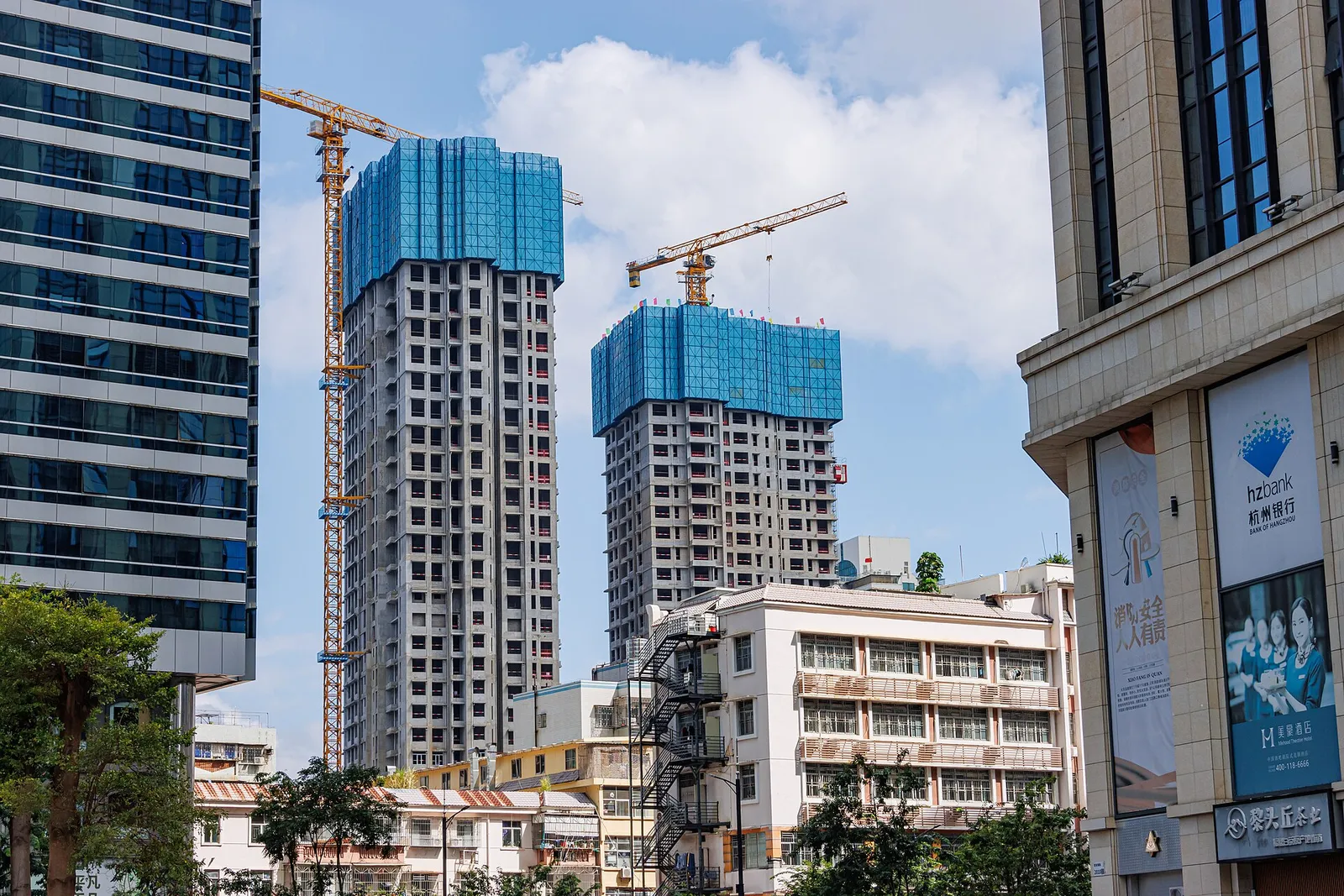
The sentence delivers punishment, not restitution. Hundreds of thousands of Chinese families prepaid for Evergrande apartments that remain unfinished, and while local governments have pushed to complete some projects, many buyers are still waiting years later. Offshore creditors holding tens of billions of dollars in defaulted bonds are expected to recover only a small fraction through the liquidation. The court ordered illegal gains recovered, but analysts note Hui's confiscated fortune is a sliver of what vanished; S&P Global Ratings said the verdict itself would have little further effect on a property market that has already absorbed the collapse.
A verdict aimed at an era
The life sentence is the harshest yet imposed on a figure from China's property implosion, and its message extends beyond one man. Beijing has spent five years forcing deleveraging on developers, and prosecutors presented Evergrande's books as the cautionary example of the excesses that inflated the bubble: hidden debt, fabricated revenue, and savings products sold to ordinary employees and homebuyers to plug the holes.
Whether the punishment marks the end of the crisis is another matter. New home sales in China remain far below their peak, dozens of other developers have defaulted, and the sector that once drove as much as a quarter of Chinese output is still shrinking. The court in Shenzhen closed the file on the man who symbolized the boom; the economy he helped build is still working through the bill.