A US Air Force officer who protested against President Donald Trump in uniform on the steps of the Capitol has been detained again, The Hill reported, a day after he renewed his criticism of the president in a television interview. The Air Force placed Major Jason Watson in pretrial confinement at a detention facility in Maryland on August 18 while it weighs charges under the military justice code.
Watson's lawyer has linked the timing of the confinement to the CNN interview, in which the major said the administration was "violating the Constitution, breaking the law, [and] engaged in rampant corruption." The Air Force has not publicly explained the timing; it has previously said only that "service members must comply with all laws, regulations and policies governing conduct and the wear of the uniform."
The Capitol protest
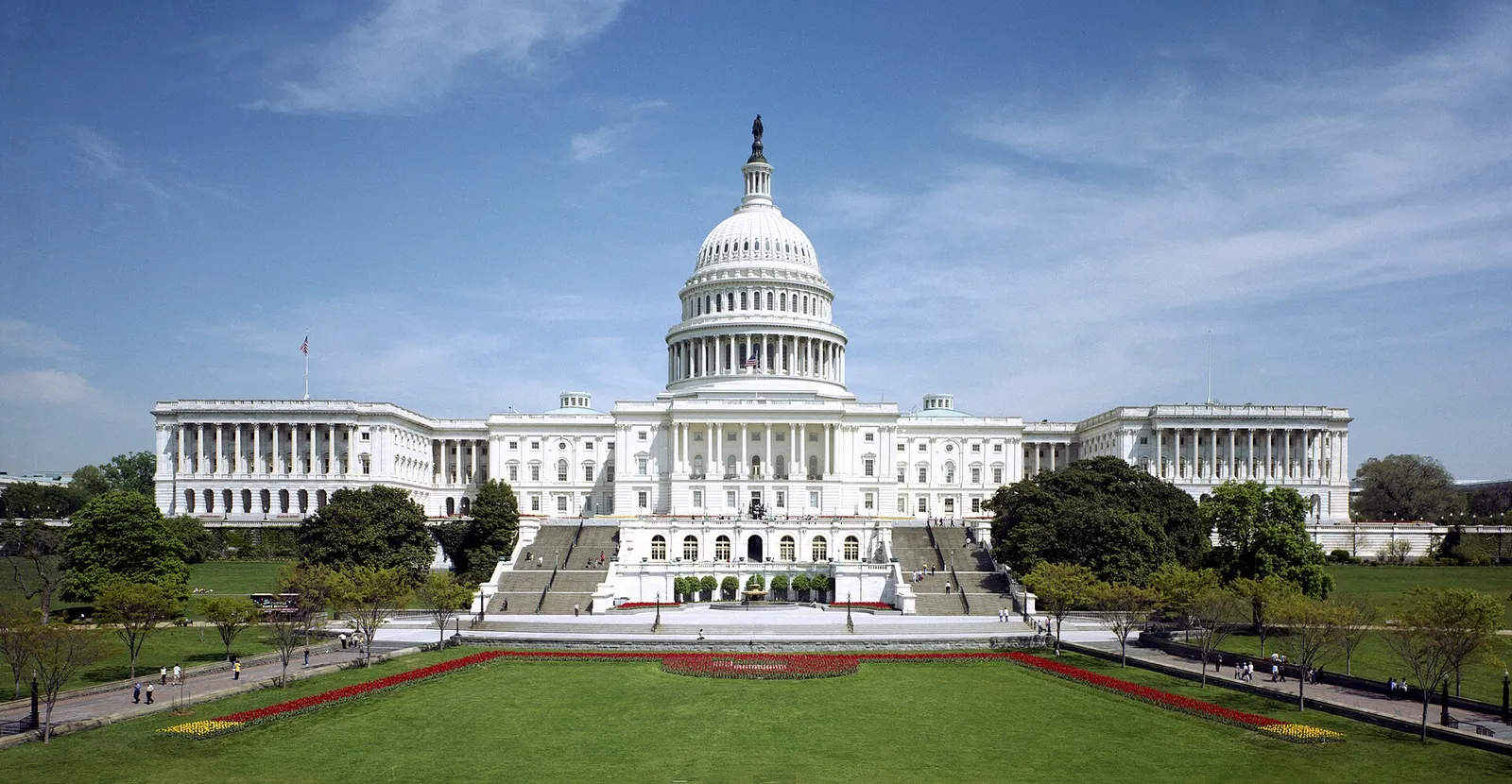
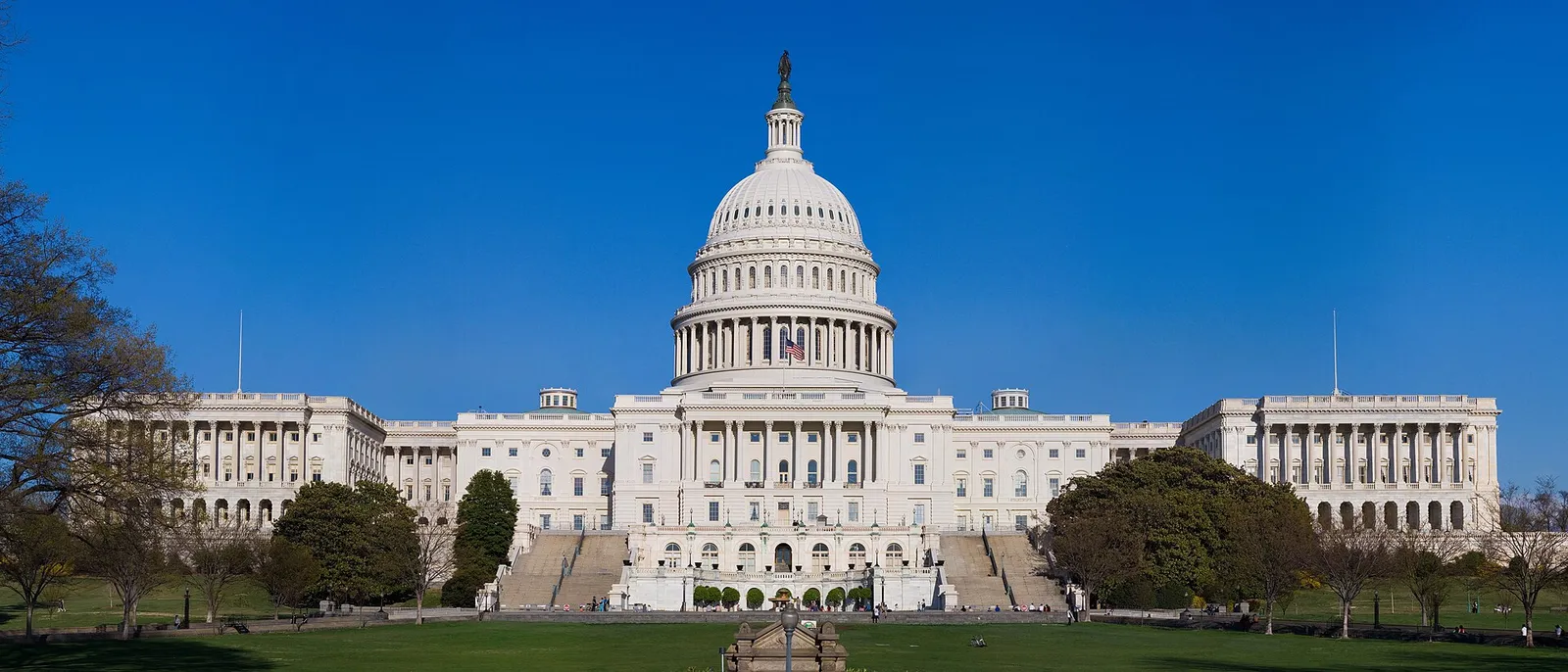
Watson, a logistics readiness officer stationed in Bydgoszcz, Poland, was first arrested on July 1 after standing halfway up the House steps in his uniform holding a sign that read "Impeach Convict Remove." He had come to the Capitol with Representative Al Green, a Texas Democrat, and remained on the steps after the congressman left, at which point Capitol Police arrested him for "crowding, obstructing and incommoding" when he refused to move. He was released the same day.
Watson, who has served since 2009 and holds multiple commendation medals from a career spent largely in Europe and with NATO, has framed his protest in constitutional terms. "When the President of the United States orders military action against foreign countries absent an emergency scenario where American interests are under imminent dire threat, as was done with Venezuela, Cuba and Iran, that's an unconstitutional usurpation of Congress's authority," he said after his arrest.
The rules he is testing
American military law draws a hard line that Watson crossed knowingly. Under Defense Department directives, active-duty service members may not take part in partisan political activity in uniform, and Article 88 of the Uniform Code of Military Justice makes "contemptuous words" by a commissioned officer against the president a criminal offense, punishable by up to a year's confinement and dismissal from the service. Investigators are also reported to be weighing charges of failure to obey orders and conduct unbecoming an officer.
Those restrictions long predate the current administration and exist to keep the armed forces out of partisan politics, a principle both defenders and critics of Watson invoke. Supporters, including Green, cast him as a principled dissenter accepting the personal cost of speaking out, and fundraising campaigns for his legal defense have collected tens of thousands of dollars. Critics respond that an officer corps free to campaign against the commander-in-chief, whatever the cause, would corrode civilian control of the military, and that the discipline system is working exactly as designed.
What happens next
Watson remains in pretrial confinement while the Air Force decides whether to refer charges to a court-martial; he also faces the civilian citation from the July arrest. A conviction under Article 88 would be exceptionally rare, with only a handful of prosecutions since the code was adopted in 1951, which is precisely why military lawyers are watching the case: whatever the outcome, it will mark where the line sits between an officer's oath and an officer's conscience in one of the most politically charged moments in the American military's modern history.