British consumer prices rose 2.9% in the year to July, up from 2.6% in June and the fastest pace since March, the Office for National Statistics reported. The main driver was household energy: gas prices rose 14.7% in the month to July, against a 7.2% fall a year earlier.
The price cap bites
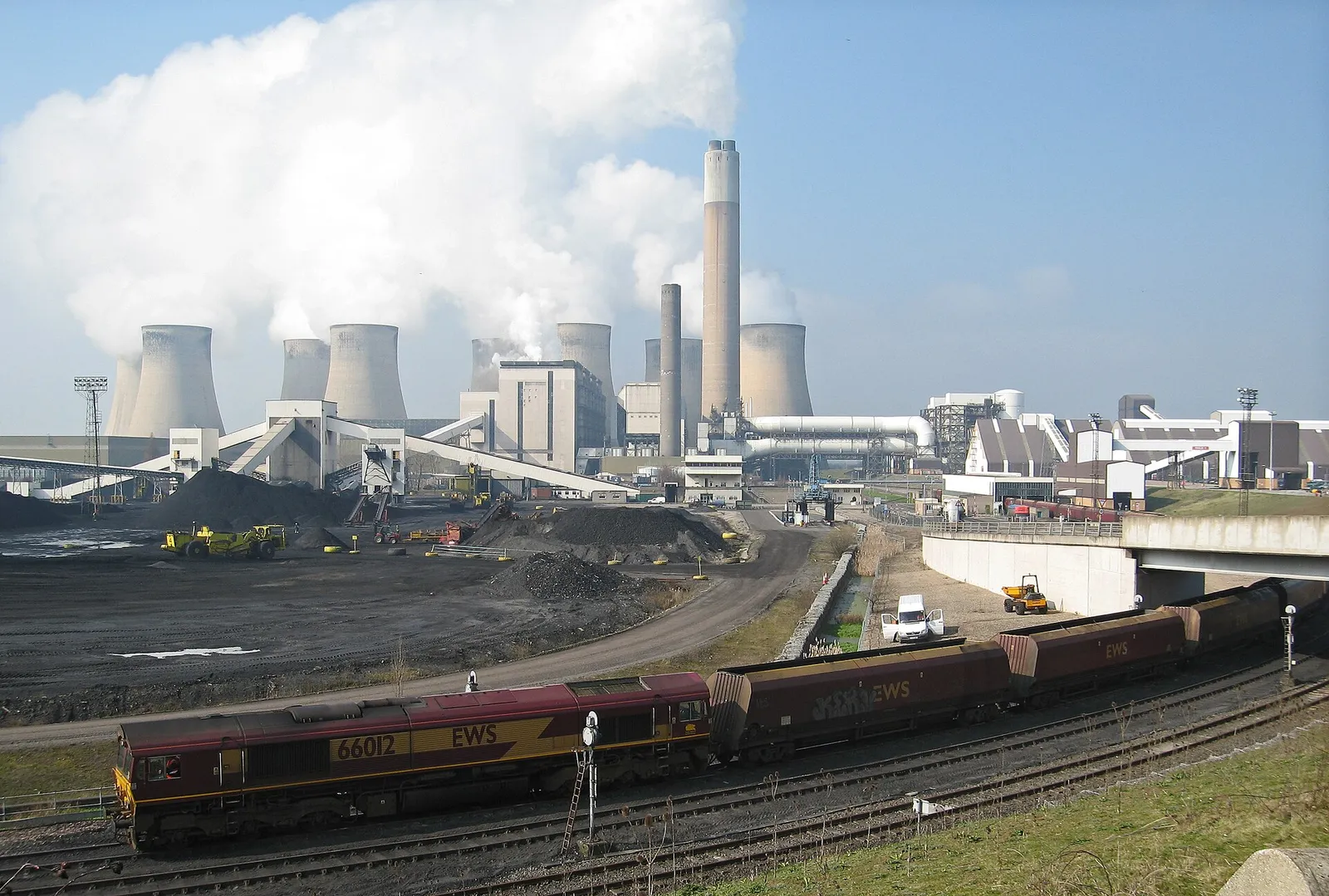
The jump traces directly to regulator Ofgem's energy price cap, which rose 13% on July 1, the largest increase in nearly four years. The change added about £221 to a typical annual dual-fuel bill, taking it to roughly £1,862 for customers paying by direct debit, ITV News reports. Wholesale gas costs have been elevated since the war with Iran disrupted Middle East energy exports earlier this year, and forecasters expect a further increase in the cap in October.
Beyond energy, the ONS said upward pressure also came from housing, household services and furniture. Core inflation, which strips out energy, food, alcohol and tobacco, was unchanged at 2.6%, an indication that the acceleration is concentrated in utility bills rather than spread across the economy.
Government and opposition trade blame
The government framed the rise as an imported shock. Treasury chief John Healey said "Iran-war inflation continues to impact prices here at home, but Britain's economy is resilient," pointing to a VAT cut on domestic electricity and the continued £2 bus fare cap as relief measures, according to IBTimes UK.
The opposition read the same numbers differently. Shadow chancellor Mel Stride said "price rises are accelerating once again under Labour" and argued the government had left Britain unprepared for global shocks, warning that renewed inflation would eat into household budgets and the chancellor's room for maneuver ahead of the autumn budget.
Rates on hold
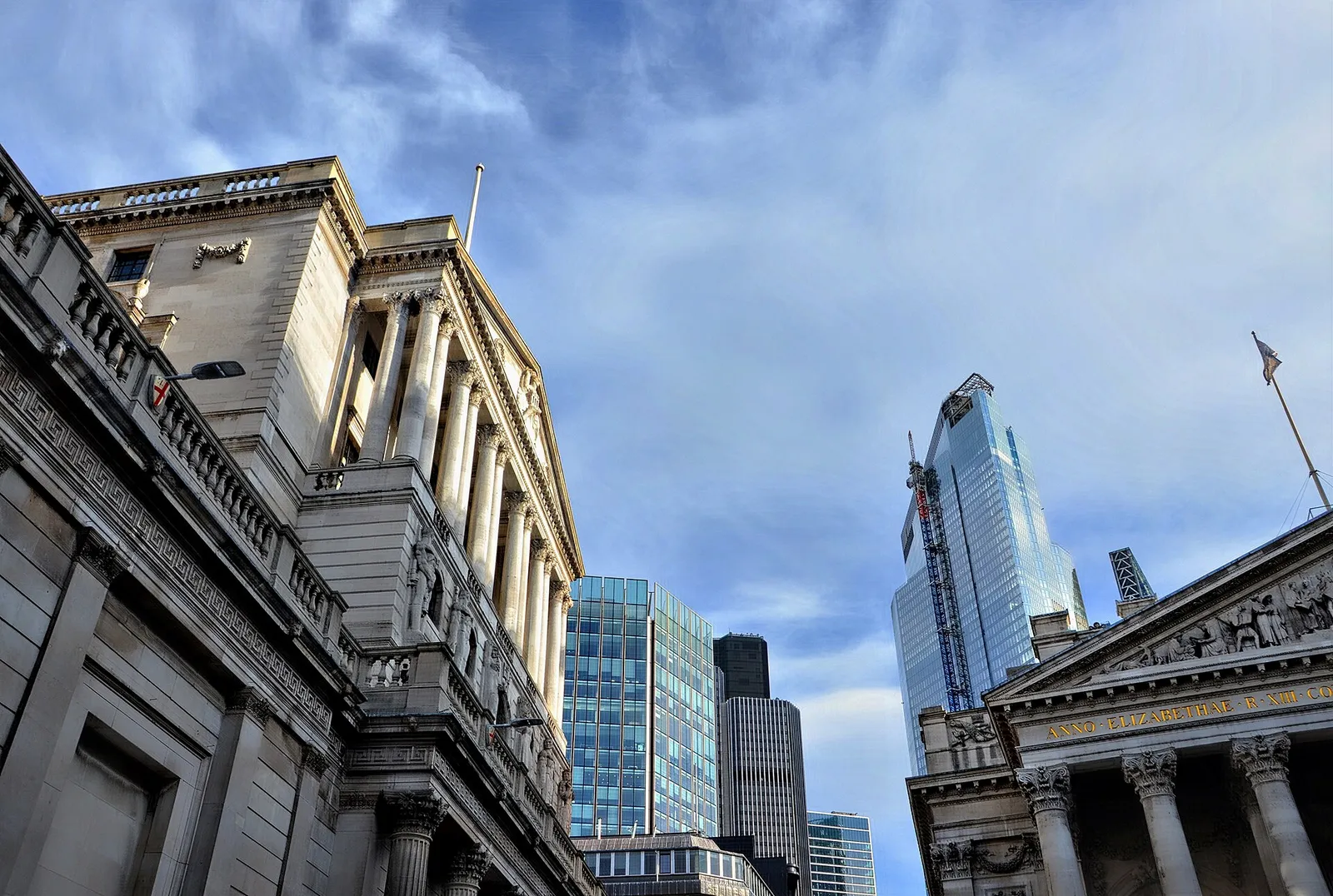
The Bank of England left its benchmark rate at 3.75% at its most recent meeting and is widely expected to stay on hold in September while it judges whether the energy-led rise proves temporary. Economists at Capital Economics and the EY Item Club expect lagged energy effects to push headline inflation toward a peak of about 3.5% around the end of the year, Accountancy Today reports, before a cooling labor market and slower wage growth pull it back toward the 2% target during 2027.
For households, the arithmetic is more immediate: energy bills that jumped in July are set to rise again in the autumn, just as heating season begins.