Golf's long civil war has entered a new phase: the question is no longer whether LIV Golf disrupted the sport, but whether it can survive on its own money, and on what terms its players might one day come back.
O'Neil: "I wouldn't bet against us"
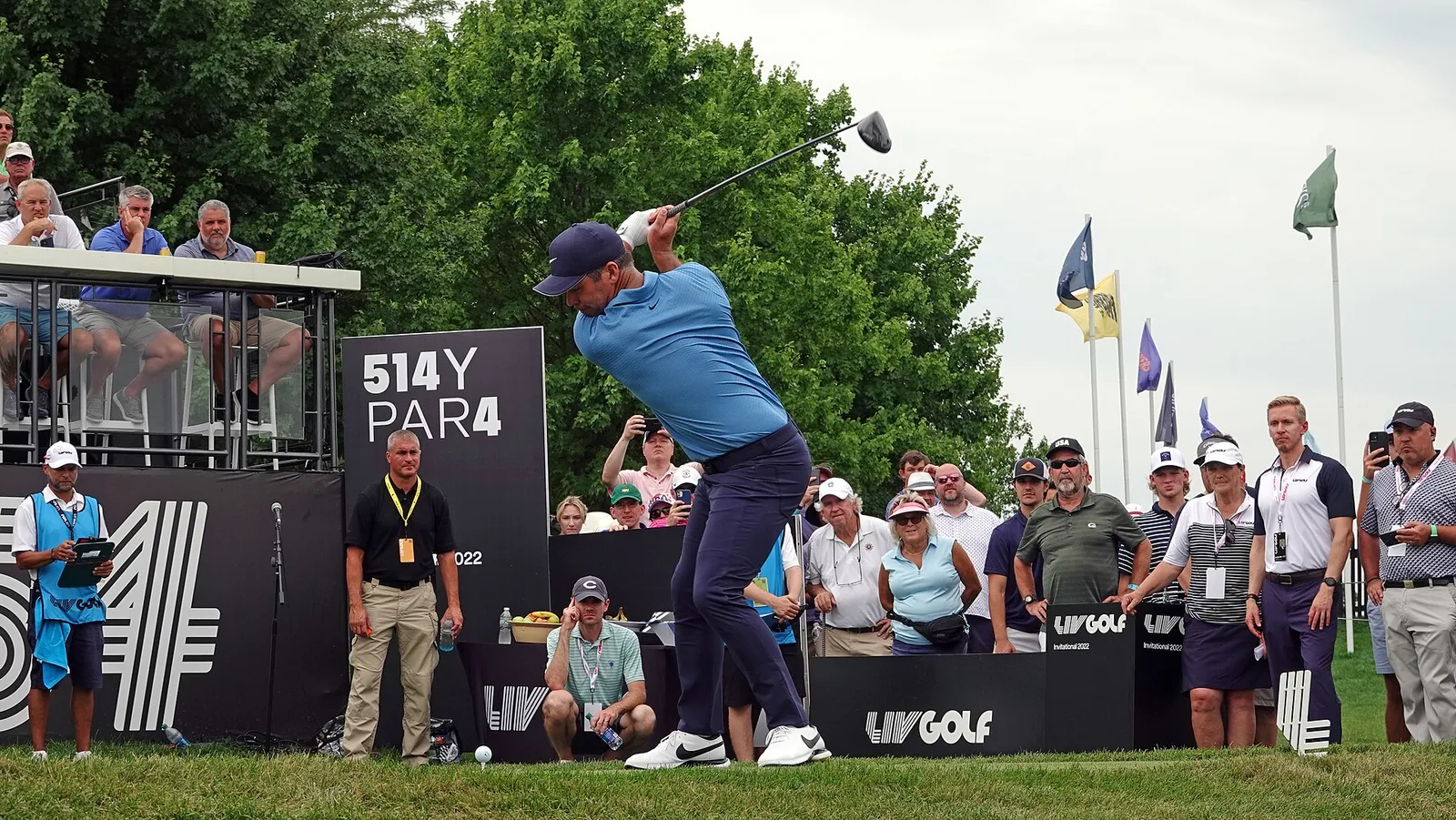
Scott O'Neil, LIV Golf's chief executive, insisted on Tuesday that the league will continue after Saudi Arabia's Public Investment Fund stops funding it at the end of the 2026 season. "I wouldn't bet against us," he said, per ESPN, confirming that LIV has a term sheet with a group led by Ted Goldthorpe of BC Partners to finance a restructured league. The agreement is non-binding, and O'Neil declined to guarantee when a final deal would close, calling the timeline "compressed."
The 2027 blueprint is leaner than the league that once threw record purses at the world's best players: ten events, split between five international championships and five US stops, with players taking equity ownership in the league instead of the guaranteed paydays of the PIF era. "Golf certainly doesn't need another five years of fighting," O'Neil said, signaling openness to cooperation across the sport's fractured tours.
McIlroy's counter-question
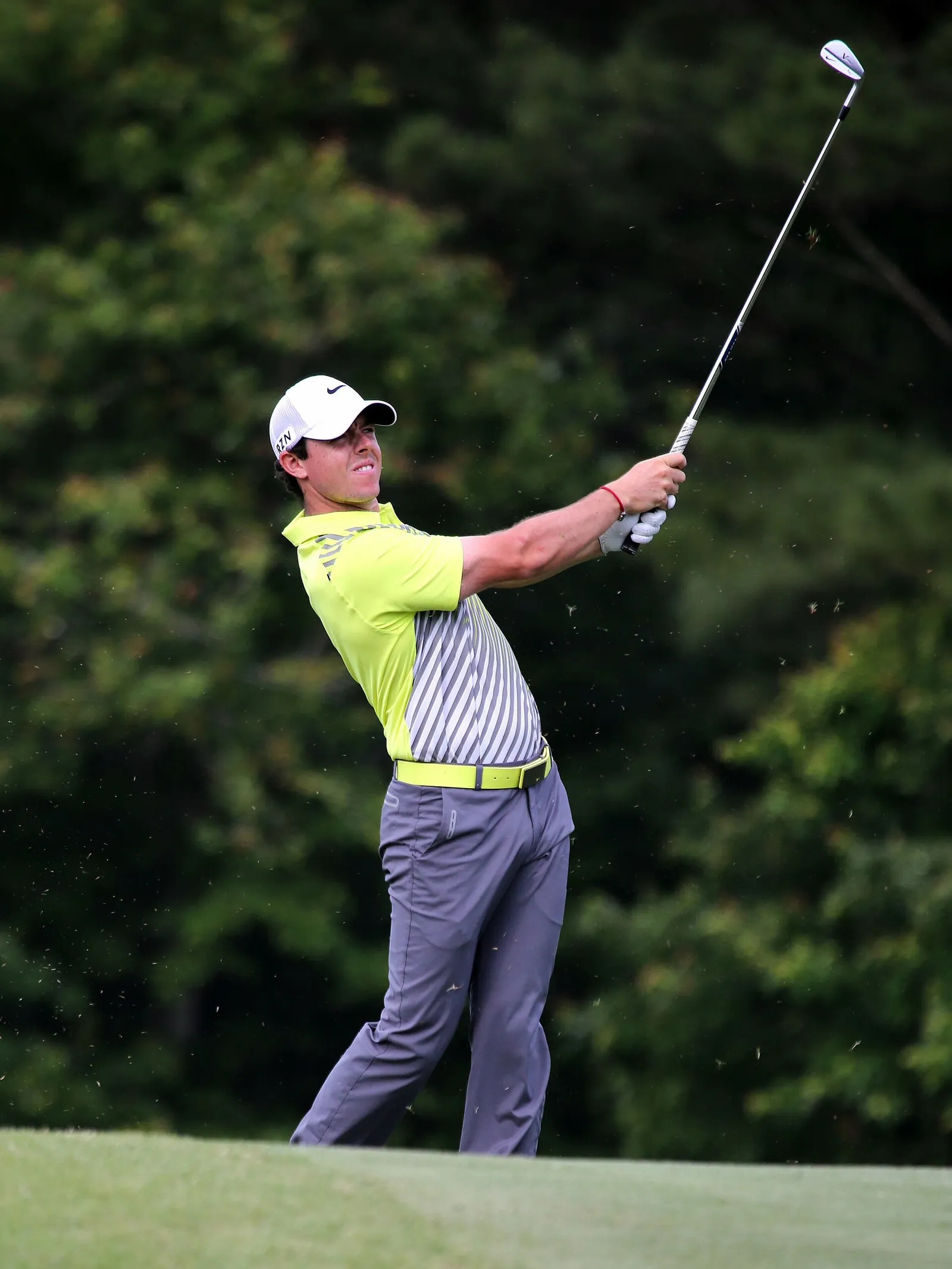
Rory McIlroy, long the PGA Tour's most vocal defender, sees the moment differently. Asked about LIV players potentially returning, he turned the premise around: "Have they brought value to LIV?" The PGA Tour, he argued, is "in a really good spot" and does not need to buy back its former stars on generous terms, ESPN reports.
McIlroy restated his view that "LIV has never been a good thing for the game," while conceding that players will "eventually" find their way back. He suggested the terms may be tougher than those given to Brooks Koepka, who returned earlier this year through the tour's Returning Member Program.
What happens to the middle
Between O'Neil's optimism and McIlroy's skepticism sits an unresolved market. LIV's recruiting pitch was built on guaranteed money that its new equity model no longer promises, while the PGA Tour has spent the conflict years consolidating its schedule, its sponsors and its television product. Negotiations between the tours and the PIF over a broader unification have dragged on without resolution.
For the players who defected, the calculus is narrowing. If LIV's new financing closes, they own a piece of a smaller league betting it can build sustainable revenue. If it does not, they may be negotiating their way back into a tour that, in McIlroy's telling, no longer feels it owes them anything.