When strikes on Iranian oil infrastructure early this year sent Brent crude surging past $100 a barrel and briefly toward $120, most of the world counted the cost: pricier fuel, heating and electricity, and renewed inflation. For Aliko Dangote, Africa's richest man, the same shock became a once-in-a-generation opportunity, The New York Times reports.
The right refinery at the right time
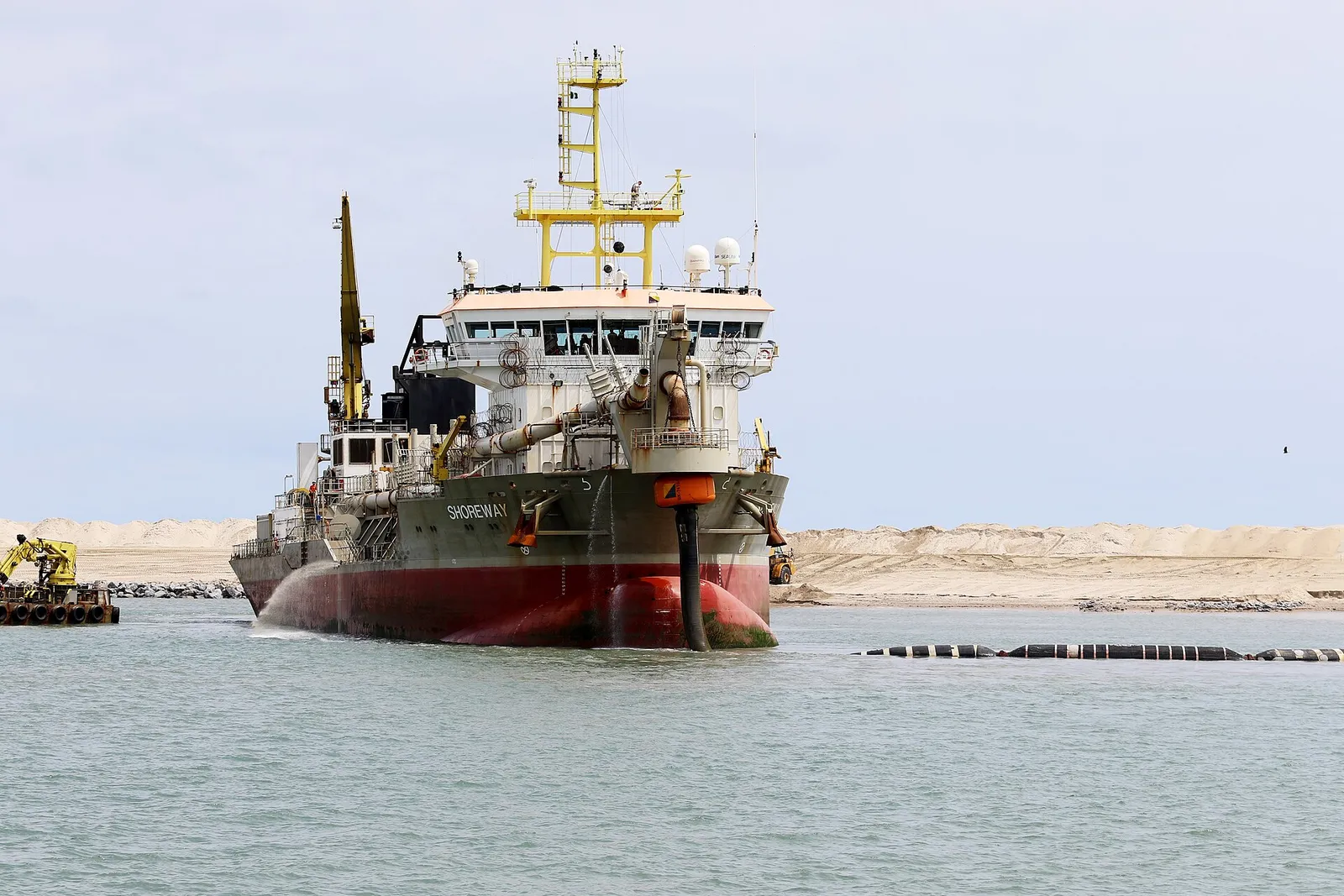
Dangote's refinery on the outskirts of Lagos, the largest in Africa, reached its full capacity of about 650,000 barrels per day just as the crisis hit. African countries that had long depended on imported gasoline and diesel suddenly found themselves bidding against wealthier nations for scarce cargoes, Ecofin Agency reports, and the Lagos plant stepped into the gap, shipping refined products to buyers including South Africa, Cameroon, Ivory Coast, Tanzania and Ghana.
For Nigeria, the turnaround is historic. Despite holding some of the world's largest crude reserves, the country spent decades importing most of its refined fuel. In April, Nigeria became a net gasoline exporter for the first time, with the refinery covering the bulk of domestic demand and selling the surplus abroad, easing a chronic drain on the country's foreign exchange reserves.
A fortune measured in barrels
The war's arithmetic flowed straight to the bottom line: the refinery buys crude, and the products it sells were suddenly worth far more. Dangote, who holds a stake of more than 90% in the plant, has seen his estimated net worth climb from around $30 billion at the start of the year toward $40 billion, with the Bloomberg Billionaires Index valuing his refinery stake alone at roughly $20 billion.
The company is not stopping there. Dangote has announced plans to roughly double capacity to 1.4 million barrels per day, which would make the plant the largest refinery in the world.
Winners and losers of a crisis
Dangote's windfall sits uneasily beside the crisis that produced it. The same price spike that fattened refining margins pushed up pump prices and transport costs across Africa, hitting the households least able to absorb them. Energy analysts note that his advantage was built before the war: the refinery took over a decade and an estimated $20 billion to build, a bet that looked questionable until the moment it did not.
The episode carries a wider lesson for a continent that exports crude and imports fuel. Refining capacity, long treated as an unaffordable luxury, proved to be strategic infrastructure the moment global supply chains failed. Whether Dangote's success prompts governments and investors to build more of it, or simply entrenches one company's dominance of African fuel markets, may shape how the next energy shock lands.