The war between the United States and Iran has opened a new front, this one financial, Al Jazeera reports. President Trump says he will use frozen Iranian money to pay for war damage; Iran says doing so would be a dangerous precedent. As before, newsparlor reports each side's position as its own and takes no side in the war.
What Trump proposed
The proposal is about who pays for the destruction in the Gulf.
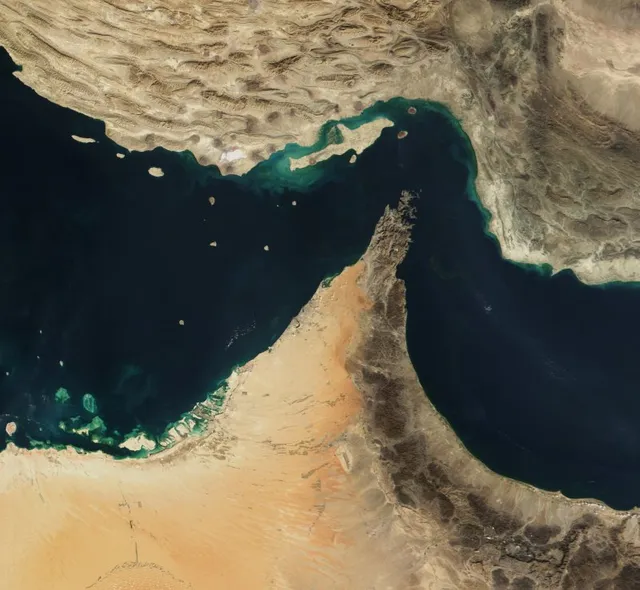
According to Al Jazeera, Trump said on his Truth Social platform on Thursday that he would use frozen Iranian assets in US hands to cover damages from attacks in the Strait of Hormuz. "Iranian Money that the United States has in possession, and controls" would pay for the damage, he wrote, calling it "the fair and equitable thing to do." That is a statement of intent, and its significance is the principle it asserts: that one country's seized funds can be spent to cover another's claims.
Iran's response
Tehran's objection was framed not around the money itself but around the precedent.
Al Jazeera reports that Iran's foreign minister, Abbas Araghchi, condemned the idea on Friday as an "incendiary precedent," warning that seizing another nation's assets to "pay for unrelated future claims" was dangerous. "Once governments normalise confiscation," he said, "no one's assets are safe." That is a deliberately universal argument: not "this is unfair to Iran," but "this threatens everyone," an appeal aimed as much at other governments watching as at Washington.
We report both statements as the claims of the two governments. Whether using frozen assets this way is lawful, and whether it sets the precedent Iran warns of, are contested questions that this exchange raises rather than settles.
What the frozen assets are
For readers unfamiliar with it, the backdrop of frozen Iranian money is decades deep.
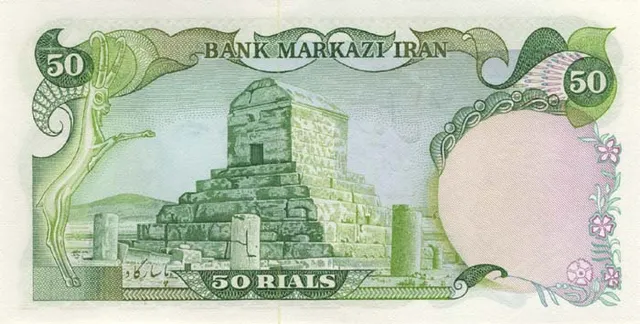
Al Jazeera reports that the exact sum of Iran's frozen assets is not known, but estimates put it around $100 billion, and that the United States first froze Iranian funds in 1979, after the seizure of the US embassy in Tehran and the hostage crisis. These assets, Al Jazeera notes, had been part of a memorandum of understanding between the two countries in June, an agreement that has since collapsed. So the money at issue is not new: it is a long-standing pool of frozen funds that the current conflict has turned into a live weapon.
The war around it
This financial dispute sits inside a shooting war that is still escalating.
Al Jazeera reports that the United States completed its 13th consecutive night of strikes on Iran on Thursday, and that Iran responded on Friday with drone attacks on US military installations in Bahrain and Jordan. The economic disruption remains severe: tanker traffic through the Strait of Hormuz fell to a single vessel on Thursday, the lowest since May 7, part of the squeeze on shipping that has pushed oil above $100 a barrel, as we have reported.
Why it matters
The frozen-assets threat is a smaller headline than a missile strike, but it points to something larger.
Wars are paid for, and the question of who pays, and with whose money, is rarely settled cleanly. Trump's proposal to make Iran's own frozen funds cover the damage is a way of answering that question unilaterally, and Iran's warning is that doing so would erode a norm other states rely on: that money placed in another country is not simply confiscated to settle later disputes. That is why a post on a social platform about frozen funds is worth reporting alongside the strikes. It is a sign that the conflict is widening beyond the battlefield, into the financial system, where its precedents could outlast the fighting.