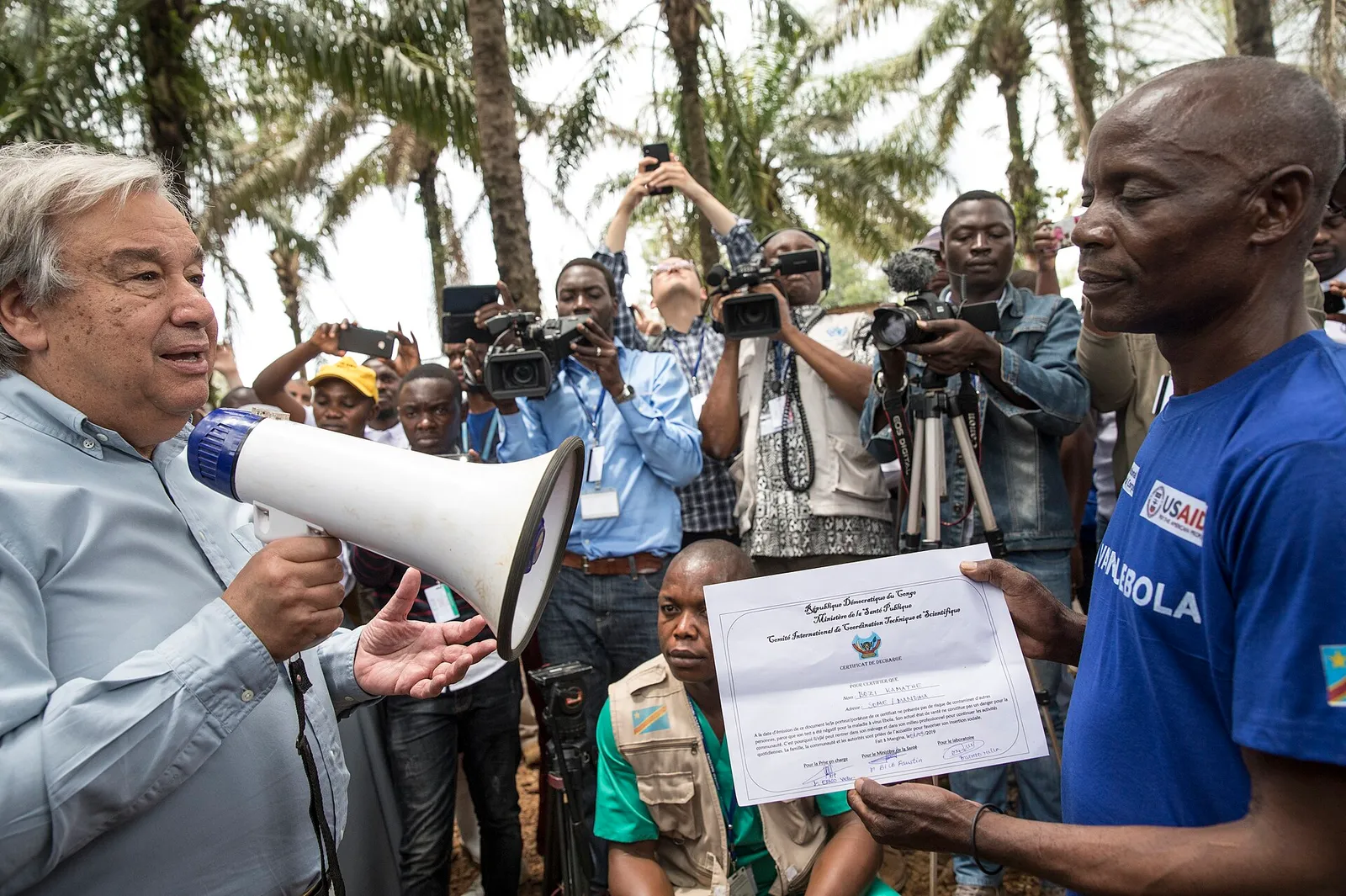
The Ebola outbreak we reported as it neared 1,000 deaths has not eased, and the people fighting it are paying a heavy price, Al Jazeera reports. Many have not been paid, dozens have died, and some have been attacked by the communities they are trying to help.
The state of the outbreak
The figures confirm that this remains one of the worst Ebola outbreaks on record.
According to Al Jazeera, the World Health Organization reported more than 2,500 cases and about 1,000 deaths in the DRC as of July 21. Neighbouring Uganda recorded 20 cases and two deaths, though its last patient had recovered by July 16. The pace remains the alarming feature: Al Jazeera notes that the 2018 outbreak took more than ten months to reach 2,000 cases, a level this one passed far faster.
The workers' plight
The heart of this report is the condition of the responders, and it is grim.
Al Jazeera reports that health workers say they have received no pay since the outbreak began in May. "Our salaries have not been paid since we started in May," said Paluku Audrey, a 29-year-old community engagement officer, and dozens of staff at Rwampara General Hospital have gone on strike over wages. That is a dangerous situation in an emergency: the people needed most are being asked to work, at great personal risk, for nothing.
The risk is not abstract. Al Jazeera reports that more than 100 health workers have contracted Ebola and about 35 have died. Ghislain Maneba, a 35-year-old epidemiologist, described attending a colleague's funeral: "this outbreak took his life." These are the human costs behind the case count, borne by the responders themselves.
Hostility and distrust
Compounding the danger is that some of the population does not believe the workers, or trust them.
Al Jazeera reports that responders have faced physical attacks from skeptical residents. Audrey recounted being detained and nearly stoned by people who accused her of "exaggerating the disease to make money." That hostility is its own obstacle: an outbreak response depends on communities cooperating with contact tracing and isolation, and where health workers are met with suspicion or violence, the virus spreads more easily.
This distrust does not come from nowhere. The region is affected by conflict and has a history of strained relations between the population and outside institutions, and Al Jazeera notes the response is complicated by that context.
Why it is so hard to stop
The medical facts, which we have reported before, remain unforgiving.
Al Jazeera reiterates that this is the Bundibugyo strain of Ebola, for which there is no approved vaccine or treatment. The tools that helped bring earlier outbreaks under control, including effective vaccines developed against a different strain, are not available here, leaving responders reliant on isolation, contact tracing and supportive care, exactly the labor-intensive work that unpaid, at-risk and sometimes-attacked health workers are struggling to sustain.
Why it matters
The significance of this follow-up is that it puts faces to a statistic.
An outbreak nearing 1,000 deaths is a major event on its own. But the reason it is not yet contained is not only viral; it is human and systemic: responders who are not being paid, who are dying in significant numbers, and who are sometimes attacked by the people they serve. Bringing the outbreak under control depends on those same workers, and their account is a warning that the response is being held together by people under enormous strain. The world has an interest in this being contained, both for the people of the region and because uncontained outbreaks can cross borders. The workers on the front line are, for now, carrying that burden largely on their own.