The United Nations' envoy for Yemen has warned that a fresh wave of Houthi attacks on Red Sea shipping is pushing an already fragile country toward deeper conflict, Al Jazeera reports. His statement is a call for talks in the middle of an escalating war.
What the envoy said
The warning came from the official the UN has tasked with trying to end Yemen's long conflict.
According to Al Jazeera, the UN envoy for Yemen, Hans Grundberg, said in a statement on Thursday that "escalatory actions risk putting Yemen on a path toward further confrontation, drawing the country deeper into an already volatile regional environment, and deepening the suffering of the Yemeni people." He called for movement "towards negotiations that address Yemen's political, economic and security challenges."
That framing, from a diplomat rather than a combatant, is the significant thing: while the parties trade attacks, the UN's representative is publicly warning that the trajectory is dangerous and pressing for a return to talks.
The attacks he is responding to
The specific trigger is a set of strikes on shipping, which the Houthis have openly claimed.
Al Jazeera reports that the Houthis, who call themselves Ansar Allah, struck two Saudi oil tankers, the Encelia and the Layla, on July 22 using missiles and drones. A Houthi military spokesman, Yahya Saree, justified the attacks by saying the vessels had violated a blockade the group announced on July 20 against Saudi-linked shipping, which it said was itself retaliation for a July 13 bombing of the runway at Sanaa airport.
We lay out that chain of stated justifications, a blockade answering a bombing, tanker strikes enforcing the blockade, as each side has described it, without endorsing any link in it. What is not in dispute is that ships are being attacked and that a UN envoy is alarmed enough to speak out.
The economic dimension
This is also where a regional conflict connects to a global price, tying together strands we have been reporting all week.
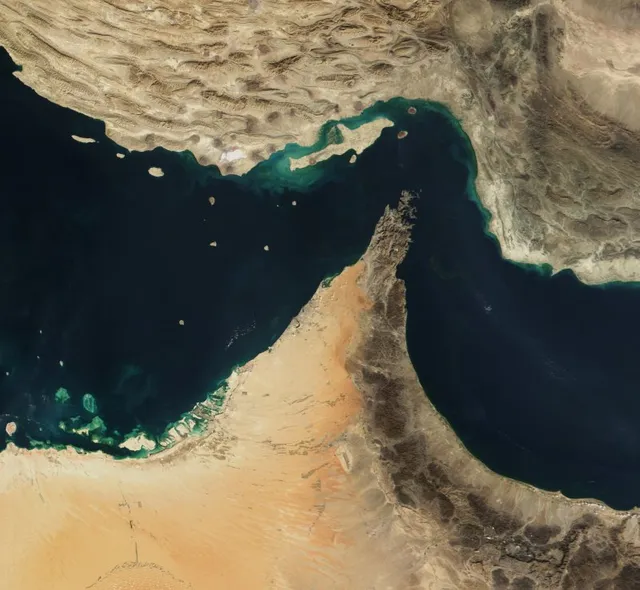
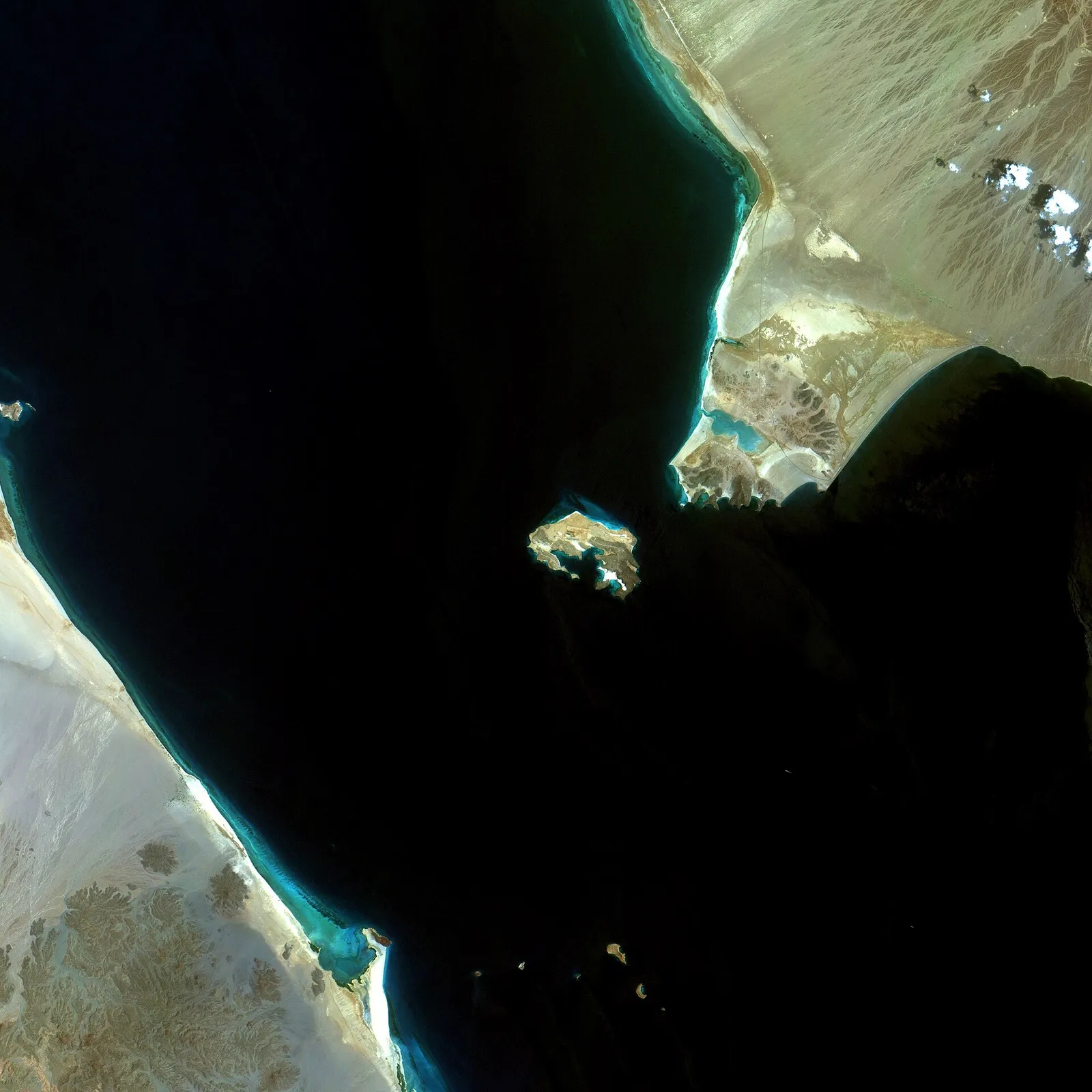
Al Jazeera reports that the campaign has disrupted maritime commerce, with at least five tankers altering course to avoid the Bab al-Mandeb strait, the narrow passage at the southern end of the Red Sea. That disruption, alongside the effective closure of the Strait of Hormuz at the other end of the Arabian Peninsula, has contributed to Brent crude oil rising above $100 a barrel. The attacks the UN envoy is warning about are thus not only a threat to Yemen and to sailors, but part of the reason drivers and businesses far away are paying more for fuel.
Why it matters
The value of the envoy's intervention is that it points to the possibility, however faint, of de-escalation.
Amid a widening war between the United States and Iran and a spreading conflict across the Gulf, most of the news is of escalation. A UN envoy publicly calling for negotiations is a reminder that a diplomatic track exists, at least in principle, and that international institutions are trying to pull the parties back toward it. Whether anyone is listening is another matter; the attacks have continued, and the envoy's statement is a warning precisely because the danger he describes is not hypothetical. For now, it stands as the clearest call this week for talks rather than more strikes.