The World Bank has estimated that the earthquakes that hit Venezuela in June caused $19.6 billion in physical damage, Al Jazeera reports. The assessment puts a figure on a disaster whose human toll was already severe.
The disaster
The earthquakes were large and struck a densely populated part of the country.
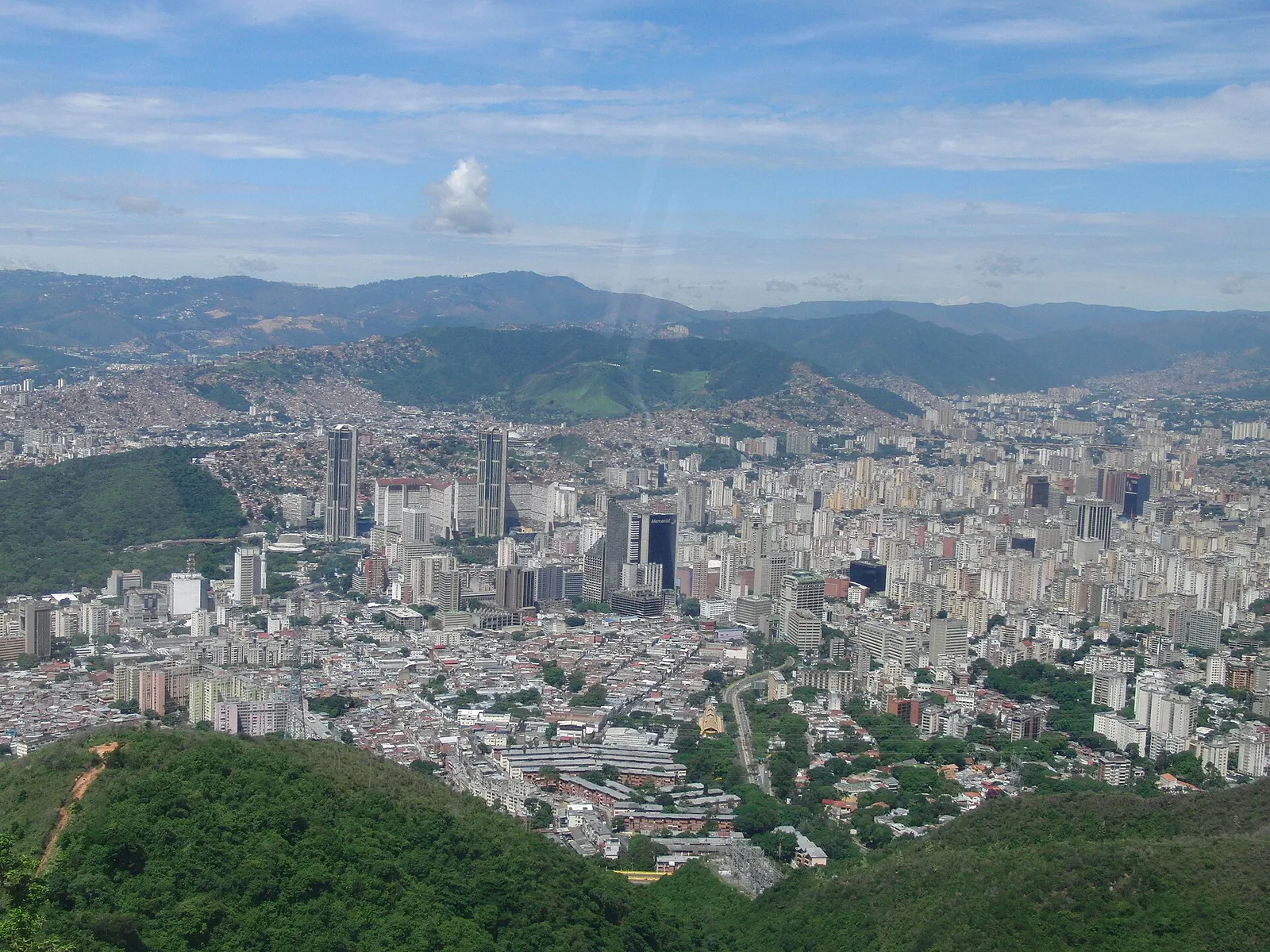
According to Al Jazeera, two quakes, of magnitude 7.2 and 7.5, hit Venezuela on June 24, with the state of La Guaira and the Distrito Capital, the area around the capital, Caracas, most severely affected. The human toll was heavy: at least 5,000 people were killed, nearly 17,000 injured and around 18,000 left homeless. Those are the kinds of numbers that mark an earthquake as one of the more deadly of recent years.
What the $19.6 billion means
The World Bank's role here is to translate destruction into a figure that can guide recovery.
Al Jazeera reports that the Bank estimated total physical damage at $19.6 billion, and broke it down: residential buildings accounted for 47 percent of the damage, infrastructure for 27 percent, and non-residential buildings for 26 percent. That residential share is the human story inside the economics: nearly half the damage is to the places people live, which is consistent with the 18,000 left homeless and points to where reconstruction will most need to focus.
The Bank's Latin America and Caribbean vice president, Susana Cordeiro Guerra, framed the challenge plainly. "The earthquakes have disrupted lives, damaged critical infrastructure, and created new challenges for Venezuela's recovery," she said, according to Al Jazeera. The Bank warned that "without timely additional investment, the negative impact on productive capacity and living standards will slow the path to recovery."
Why an assessment weeks later is news
The quakes struck in June, so it is fair to ask why a damage estimate now is worth reporting.
The answer is that the figure is what turns a disaster into a recovery plan. Damage assessments like this one, which Al Jazeera reports was built from satellite imagery, seismic data and damage reports, are the basis on which governments and international lenders decide how much money is needed and where. A precise, credible number is what unlocks or directs reconstruction financing. For a country to rebuild, someone first has to establish the scale of what was lost, and $19.6 billion is that scale.
The wider difficulty
Venezuela's recovery carries complications beyond the rubble itself.
The country was already in a fragile economic and political state before the earthquakes, which makes finding $19.6 billion for reconstruction especially hard. Al Jazeera reports that the United States pledged more than $200 million to the Red Cross for disaster assistance, though those funds were not specifically directed to Venezuela. That gap, between the scale of the damage and the aid so far identified, is the crux of what comes next. The World Bank has now said how big the hole is; who fills it, and how quickly, will shape how long the recovery takes and how much the people of La Guaira and Caracas continue to bear in the meantime.