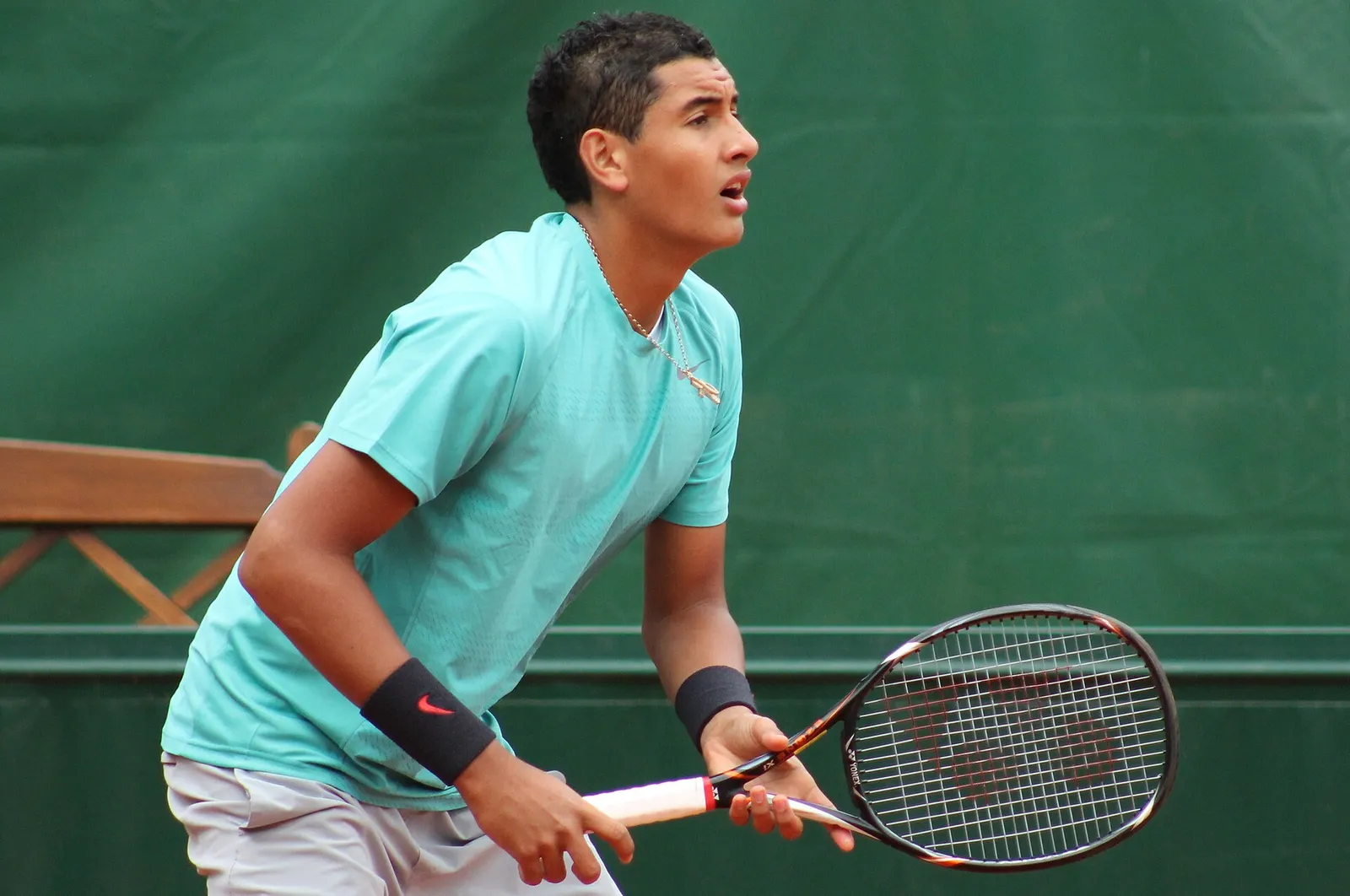
Nick Kyrgios has been provisionally suspended from tennis after testing positive for cocaine, a development the 31-year-old Australian announced himself and one that may close the book on one of the sport's most mercurial careers.
The International Tennis Integrity Agency said a sample Kyrgios provided at an ATP 250 event in Mallorca, Spain, on June 22 contained benzoylecgonine, a metabolite of cocaine. A WADA-accredited laboratory confirmed the result on July 17, and a provisional suspension has been in place since August 4. While suspended, Kyrgios cannot play in, coach at, or attend any sanctioned professional tennis event.
'I made a huge mistake'
Kyrgios disclosed the test in a statement on Instagram rather than waiting for the news to emerge. "I made a huge mistake and I take full responsibility for it," he wrote, according to ABC News Australia. "I'm sorry to my fans, my family, my sponsors and everyone close to me."
He linked the episode to the long physical and mental toll of the past several seasons, saying, "At times I've felt helpless and alone. None of that excuses what I did." Kyrgios said he would step away from social media and public life for 28 days to "focus on getting myself right." He has not appealed the suspension.
What the rules say
Cocaine is classified as a stimulant and a "substance of abuse" on the World Anti-Doping Agency's prohibited list, a category created in 2021 to distinguish recreational drug use from performance enhancement. Because of the nature of the substance, the ITIA said, a provisional suspension is mandatory.
The eventual sanction turns on when the drug was used. If a player can show a substance of abuse was taken out of competition and unrelated to performance, the standard ban is three months, which can drop to one month if the player completes an approved treatment program. If the use is judged to be in competition, the penalty can stretch to years. Kyrgios's sample was collected at a tournament, so the timing question will be central to the ITIA's investigation, ESPN reports.
A career already at a crossroads
The suspension lands on a career that was already winding down. Kyrgios, a Wimbledon singles finalist in 2022 and a seven-time ATP title winner, has spent much of the past four years fighting knee, foot and wrist injuries that reduced him to sporadic appearances. After a doubles loss at Wimbledon in July he suggested it had probably been "my last Wimbledon," saying he could not see himself competing at that level again.
At his best, the Canberra-born shotmaker was among the most watchable players of his generation, an underarm-serving, tweener-hitting showman who beat Novak Djokovic, Rafael Nadal and Roger Federer early in his career. He was also one of its most polarizing, drawing fines and suspensions for on-court conduct alongside genuine advocacy on mental health, a subject he has spoken about with unusual candor.
What happens next
The ITIA investigation will determine the length of any final ban, and the agency noted that support services are available to him. Whether the outcome is measured in months or years, it may matter less than Kyrgios's own choice: he retains the right to return when any suspension ends, but he has given little indication he wants to. For now, Australian tennis's most turbulent talent has left the stage on his own terms, if not in the way anyone would have chosen.