The residents of Christmas Island are used to red crabs, seabirds and the occasional cruise ship. This week they got a spaceship. On Tuesday, SpaceX towed the 52-meter upper stage from its thirteenth Starship test flight to the remote Australian territory in the Indian Ocean, where locals lined the coastline to watch, after the vehicle spent roughly 24 days floating at sea.
"We'd heard some rumours that they might be coming to Christmas Island … and it was just there, huge," David Watchorn, who chairs the island's tourism association, told ABC News Australia. Local photographer Chris Bray was more succinct: "Cool to see! So BIG!"
From Texas to the Indian Ocean
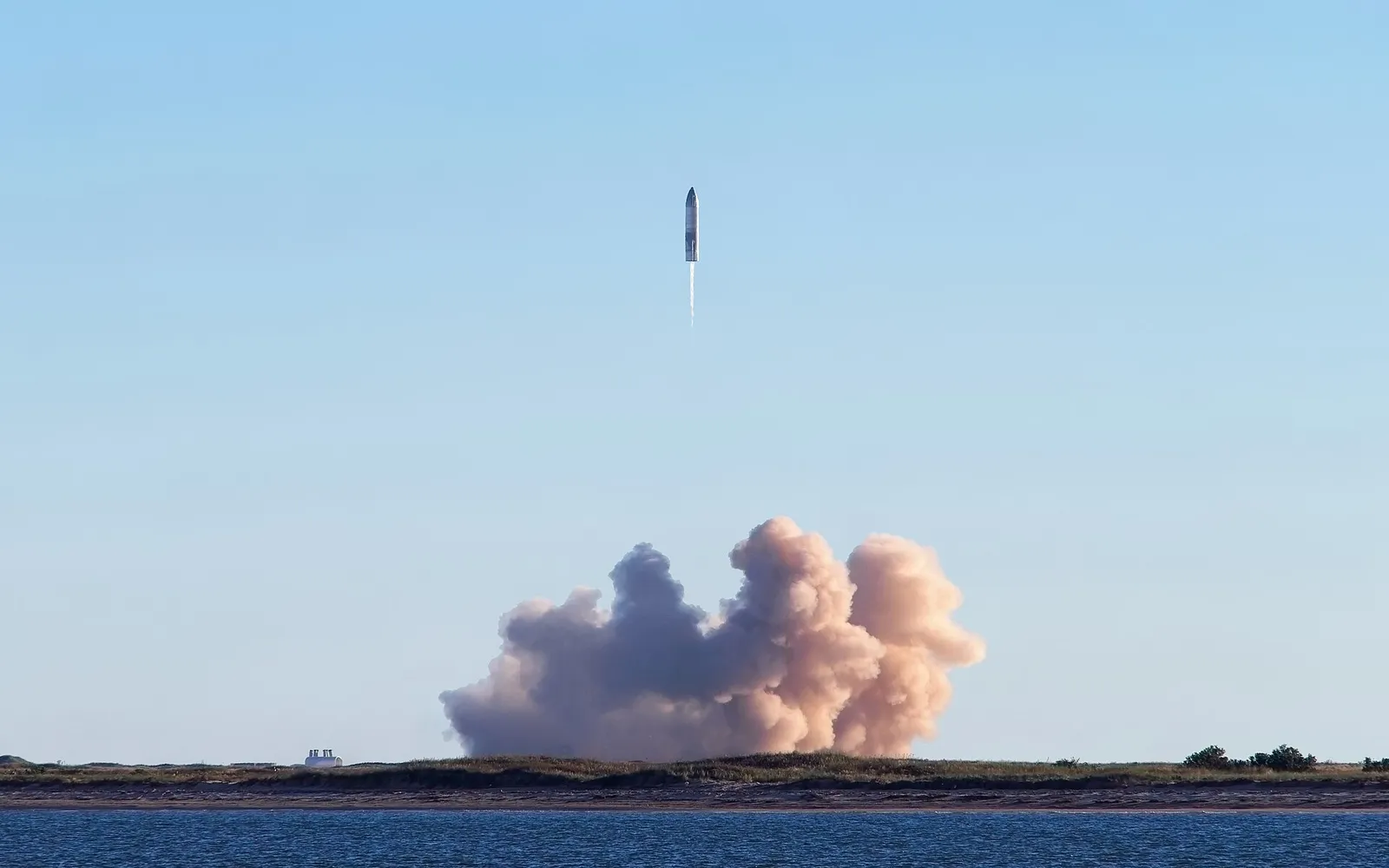
The vehicle, known as Ship 40, launched from SpaceX's Starbase site in Texas on July 24 on Starship Flight 13, a mission that deployed a batch of next-generation Starlink satellites and demonstrated an engine relight in space before flying a controlled reentry over the Indian Ocean, the corridor SpaceX has used for Starship test flights since 2024.
Splashdowns are meant to end with the ship tipping over and sinking, and earlier vehicles have usually broken up or exploded on impact. This time was different. The landing was so gentle that Ship 40 remained afloat and largely intact, missing some of its outer heat-shield coating but with its structure and engine nozzles still in place. SpaceX dispatched recovery vessels, and the Australian Space Agency confirmed the company towed the stage from international waters to Christmas Island, about 1,500 kilometers off Australia's northwest coast.
Why engineers want this hull
A Starship that comes back in one piece is, in effect, a full-scale flight experiment that can be inspected by hand. Telemetry and onboard cameras tell engineers how the heat shield behaved during the plunge through the atmosphere; a recovered hull shows them directly, tile by tile, where the thermal protection eroded, charred or held. A SpaceX engineering team is traveling to the island to examine the vehicle in calm waters before attempting to bring it back to Starbase.
That knowledge feeds directly into the program's central goal: a fully and rapidly reusable rocket. SpaceX already catches Starship's Super Heavy booster back at the launch tower; the upper stage is the harder half of the problem, and its heat shield has been the most stubborn engineering challenge. Every data point from Ship 40's skin brings a tower catch of the ship itself a step closer, along with the missions that depend on it, from bulk Starlink launches to NASA's plans to land astronauts on the Moon with a Starship-derived lander.
'The talk of the town'
For Christmas Island, home to about 1,600 people and best known for its annual crab migration, the visit has been a windfall of excitement. "Everyone's been pretty fascinated by it, I don't think it was expected," hospitality owner Rachel Kucera told the ABC. Residents have been driving the coast road hunting for vantage points, and boat owners have ferried the curious out for a closer look.
What happens to Ship 40 next is up to SpaceX, which has not said how, or whether, it will haul the stage across two oceans back to Texas. However that logistical puzzle is solved, the image of a spacecraft built for Mars bobbing off a tropical Australian island will stand as one of the stranger postcards from the Starship program, and one of the more consequential: for the first time, the ship came back.