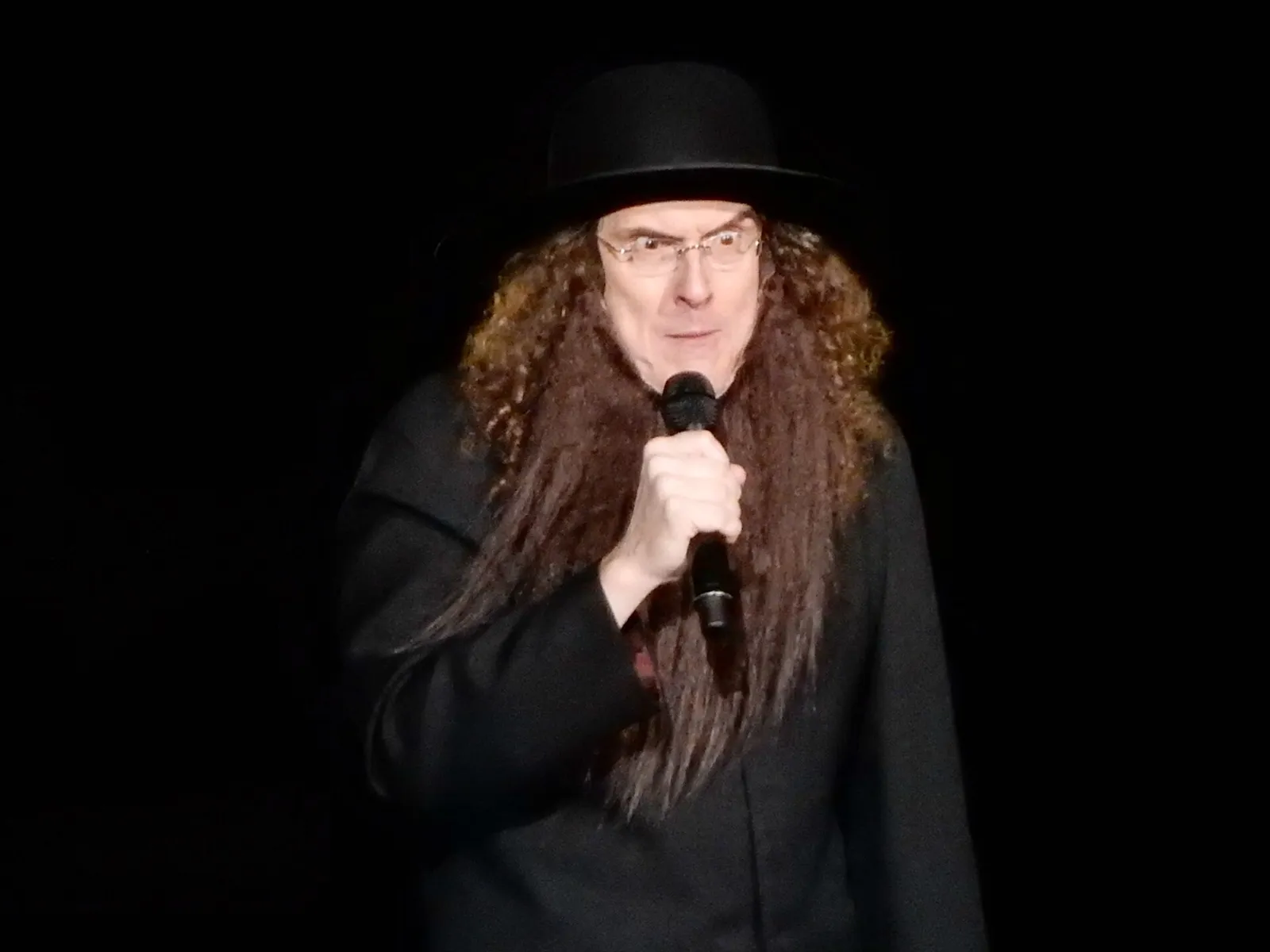
"Weird Al" Yankovic has built a four-decade career on affectionate mockery, turning pop hits into songs about food and suburbia with an accordion slung over his shoulder. So there is a certain fitting logic to his latest act of refusal: the musician says he walked away from a well-paid advertising deal rather than become a face for artificial intelligence.
A last-minute exit
By his own account, Yankovic had agreed to appear in a commercial he understood to be for ordinary business software before realizing the product was AI-powered — and pulled out roughly a week before filming. He turned down what he described as "a nice pile of money," telling interviewers, "I can't be the poster boy for AI," as TheWrap reported.
He acknowledged feeling awkward about the late reversal but was blunt about the reason. "I'm not a fan of AI," he said, according to Deadline, framing the choice as a matter of principle rather than money.
Part of a bigger backlash
Yankovic is far from alone among performers wary of the technology. Actors, musicians and writers have increasingly pushed back against the way AI systems are trained on human-made work, and against the use of digitally generated or manipulated likenesses in advertising. Prominent figures across film and music have lent their names to campaigns arguing that copying creative work without permission is not innovation but theft.
The concerns are partly practical. Performers worry about deepfakes and unauthorized use of their image, and unions representing actors have pressed for rules requiring that AI-generated performers be clearly labeled. The anxieties are also existential: for artists whose livelihoods rest on originality, a technology that can imitate voices, faces and styles at scale feels less like a tool than a rival.
Why a novelty act matters here
There is an irony in a comedian who has spent his life borrowing and transforming other people's songs drawing a firm line against machine-made imitation. But Yankovic has always been careful to seek permission from the artists he parodies, and he casts his objection in those terms — a defense of human creativity, and of consent, over automation.
Whether one high-profile "no" changes anything for an industry racing to embrace AI is doubtful. Advertisers will find other faces, and the technology is not going away. Still, the moment resonates precisely because it comes from an unlikely source: a good-natured entertainer better known for silliness than for taking stands, deciding that some paydays cost more than they are worth.