
It is on lunchboxes and phone cases, in fashion and film, on characters recognized from Tokyo to Texas: the Japanese aesthetic of cuteness known as "kawaii" has spread across the world so thoroughly that it can be easy to forget where it came from. Its journey from a domestic fad to a global visual language is a case study in cultural influence — and, some say, in the power of not compromising.
What "kawaii" means
Kawaii is usually translated simply as "cute," but it describes a whole sensibility: soft pastel colors, rounded shapes, oversized eyes, an air of innocence and charm. It shows up in characters and products designed to look endearing and unthreatening — an aesthetic of gentleness that has proved unusually portable across cultures.
From schoolgirl handwriting to Hello Kitty
The modern kawaii boom is often traced to Japan in the 1970s, when teenage girls developed a rounded, decorative style of handwriting, dotted with hearts and little drawings. Initially frowned upon, the cute style was soon embraced by advertisers and manufacturers who saw its commercial appeal.
The most enduring symbol arrived in 1974, when the company Sanrio introduced Hello Kitty, as reference histories record. The simple, mouthless cartoon cat became a licensing phenomenon, stamped onto thousands of products and generating much of its revenue outside Japan — proof that a distinctly Japanese design could travel.
Characters that crossed borders
Kawaii's global spread was carried above all by characters. Pokémon, first released as a video game in Japan in 1996, became a worldwide craze after reaching the West later that decade, spawning games, cards, an animated series and mountains of merchandise. Alongside it, a broad wave of anime and manga introduced international audiences to Japanese visual styles, while cute mascots came to represent everything from companies to city governments back home.
What these exports had in common, cultural commentators note, is that they largely did not soften or "Westernize" themselves for foreign markets. Hello Kitty did not gain a mouth; the characters stayed recognizably themselves. Audiences adapted to them, rather than the other way around.
Fashion, the internet and 'Cool Japan'
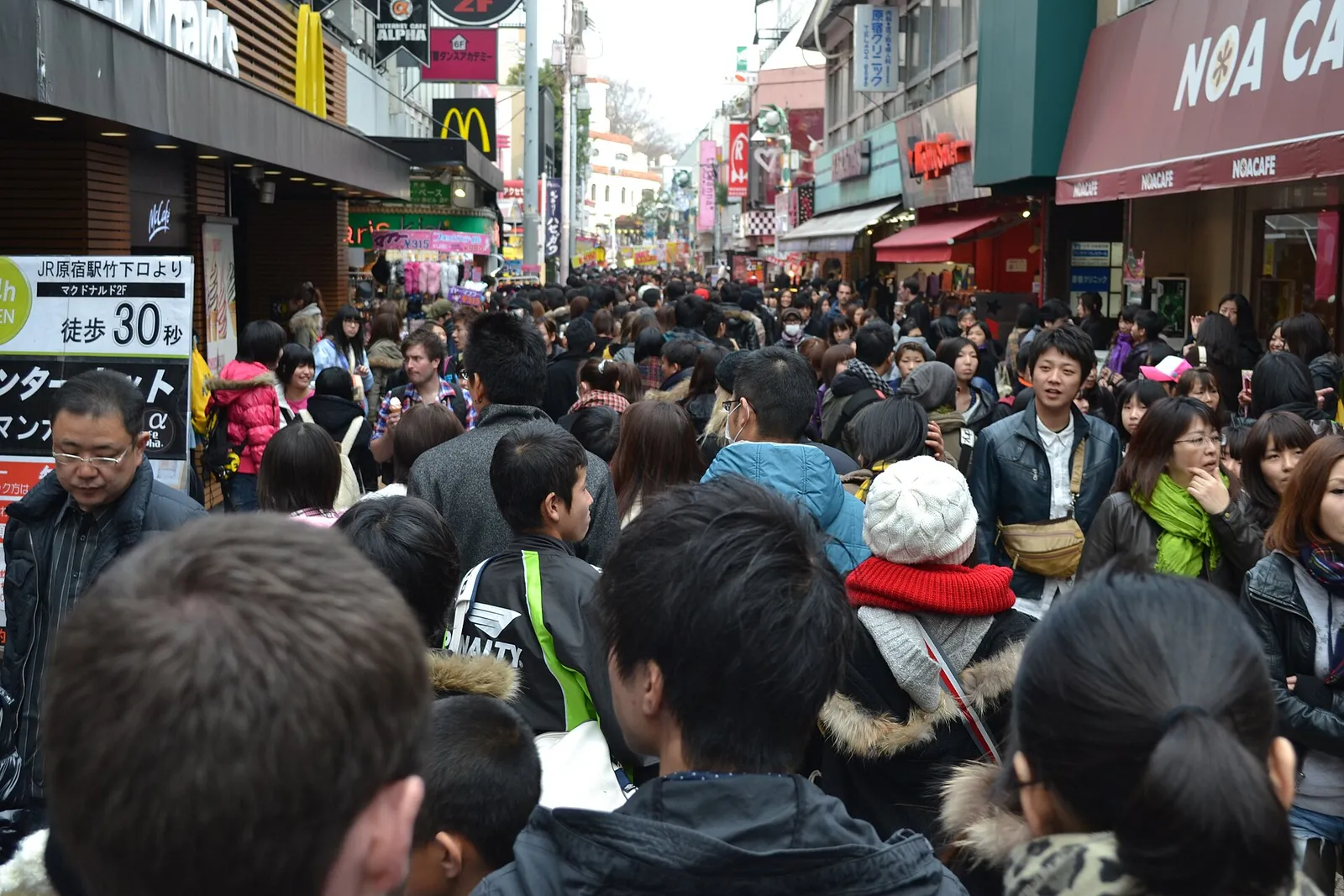
Kawaii also became something to wear. Tokyo's Harajuku district turned cuteness into street fashion — playful, colorful, individual — that drew attention far beyond Japan and was amplified, later, by social media, where the aesthetic found a natural home among younger users worldwide.
The Japanese government, recognizing the value of all this, folded kawaii into a wider soft-power strategy. Its "Cool Japan" initiative, formalized around 2010, treats the country's pop culture — anime, games, characters, fashion, food — as an economic and diplomatic asset, according to accounts of the policy, promoting cultural exports as a form of national influence.
Why it worked
The tidy explanation — that kawaii conquered the world by refusing to change — is a simplification, but it captures something real. In an age when globalization often flattens differences, kawaii offered a coherent, unmistakably Japanese aesthetic that nonetheless translated easily: cuteness, it turns out, needs little explanation.
The measure of that success is everywhere, right down to language. The word "kawaii" itself has entered English, added to major dictionaries — a small sign of how completely a once-local idea of cuteness has become a shared global one. For Japan, it remains one of the most far-reaching cultural exports of the modern era: soft, in every sense, and remarkably powerful.