For generations, the surest sign that an American family had "made it" was a home of its own. Homeownership has been bound up with the country's self-image almost since its founding — a marker of independence and a way to build wealth to pass on. As the United States marks a major anniversary, that dream is as potent as ever in the imagination, even as the math behind it has grown far harder.
From privilege to mass ownership
For much of the nation's history, owning a home was mainly the preserve of the well-off. As recently as 1940, fewer than half of American households owned their homes.
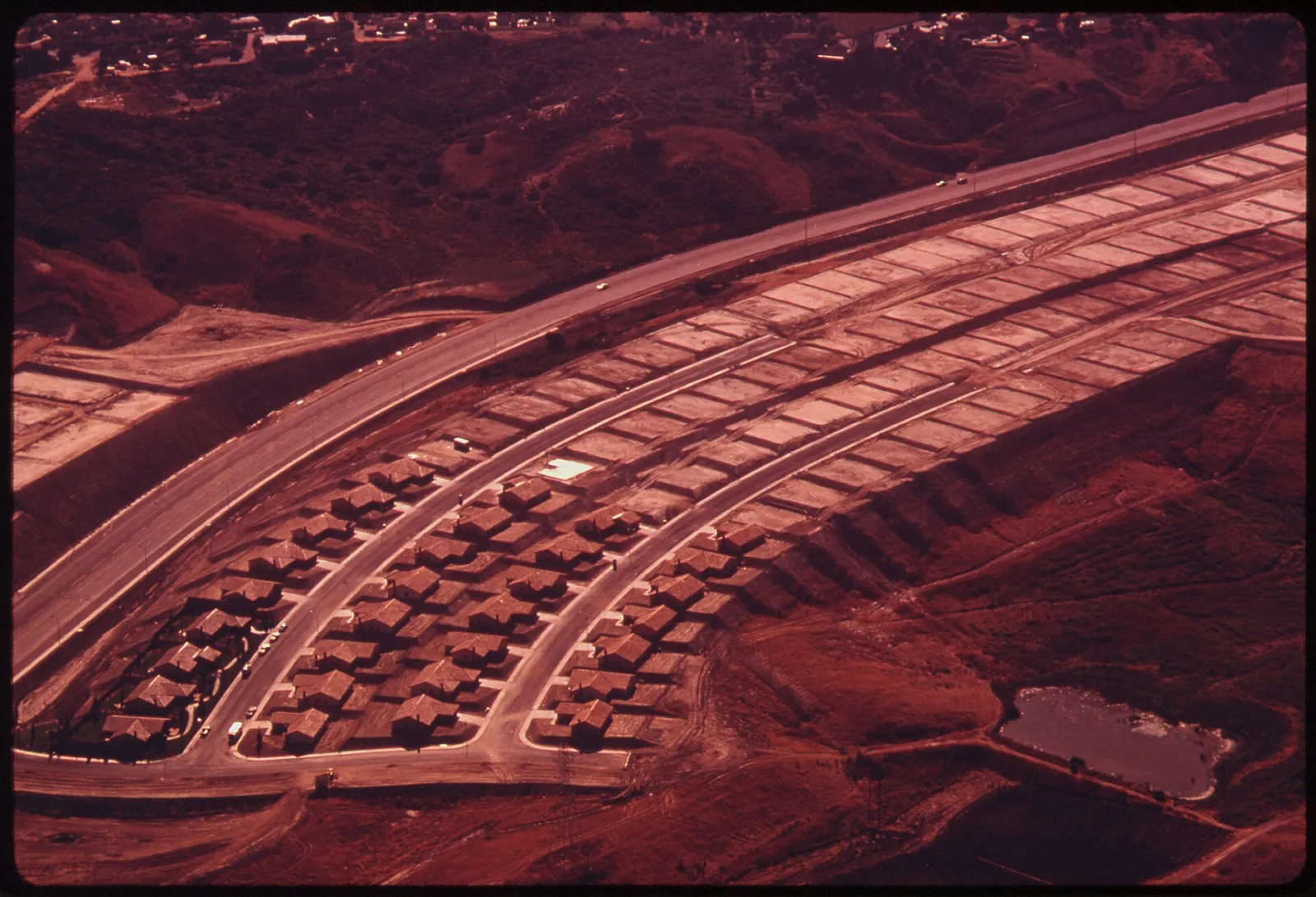
That changed dramatically after the Second World War. Government-backed mortgages — including generous loans for returning veterans under the GI Bill — combined with mass-produced suburban housing to put homeownership within reach of millions of ordinary families. By 1950 more than half of Americans owned their homes, and the rate kept climbing for decades. The new suburbs became engines of consumer spending and, for many families, the foundation of middle-class wealth.
A dream unequally shared
That prosperity was not shared equally. Many Black Americans were largely shut out of the postwar housing boom by discriminatory practices — including "redlining," the marking of minority neighborhoods as too risky for lending — that denied them the mortgages and the wealth-building that white families enjoyed.
The legacy endures. Homeownership rates for Black households remain well below those of white households — a gap of roughly 25 to 30 percentage points that housing researchers trace in significant part to those historical policies. Studies have found that formerly redlined neighborhoods still tend to show lower ownership rates and property values today.
Boom, bust and an incomplete recovery
The homeownership rate peaked at just over 69 percent in 2004, lifted by loose lending and a housing bubble, according to Federal Reserve data. When that bubble burst, the 2008 financial crisis followed, and millions of families lost their homes to foreclosure. The rate fell back below 63 percent by the middle of the 2010s.
It has since recovered only partway, hovering in the mid-60-percent range in recent years — below the pre-crisis peak.
The affordability squeeze
Today's obstacle is less reckless speculation than sheer cost. The country is estimated to be short of millions of homes, the result of years of building too little, and prices have climbed steeply, especially since the pandemic. Combined with higher mortgage rates, that has pushed monthly costs out of reach for many would-be buyers.
The strain falls hardest on the young. Surveys find large shares of younger Americans doubt they will ever afford a home, as NPR has reported, and housing affordability regularly ranks among their top financial worries — ahead of retirement or health care. For many, help from family has become less a bonus than a prerequisite.
A dream in transition
None of this has dislodged homeownership from its place in the national story. It remains a goal most Americans say they want and a fixture of political debate, with proposals to build more housing and ease costs featuring across the spectrum.
But the terms have shifted. What was, for a few postwar decades, an unusually broad and attainable dream is becoming, for many, harder to reach — raising a question the country will keep wrestling with well beyond this anniversary: whether homeownership can remain a shared aspiration, or hardens into a marker of who already has wealth and who does not.