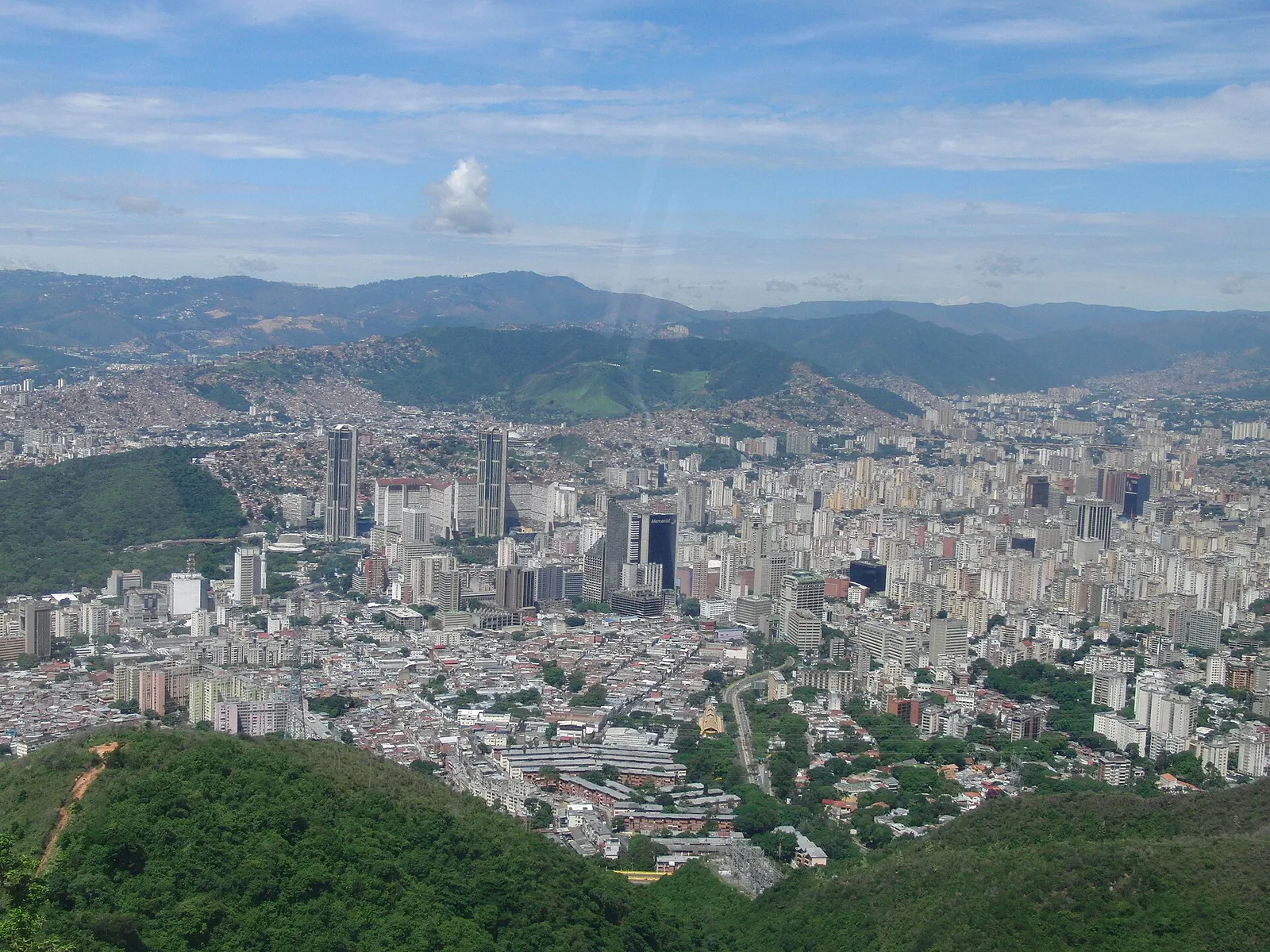
More than a week after two powerful earthquakes devastated northern Venezuela, the country is still counting its dead and searching for the missing, in what has become the worst natural disaster to hit the nation in generations.
What happened
Two earthquakes, with magnitudes of about 7.5 and 7.2, struck the north of the country on June 24, less than a minute apart — a rare and destructive "doublet" that gave people almost no time to escape between the shocks, according to Al Jazeera. The epicenters lay to the west of the capital, Caracas, and the coastal state of La Guaira was among the areas worst affected.
It was the strongest earthquake to strike Venezuela in over a century, and aftershocks have continued to rattle the region, complicating the response.
A rising toll
The confirmed number of dead has climbed past 1,700 and is widely expected to rise further as rescuers reach more collapsed buildings, CNN reported. Thousands of people remain unaccounted for, and many more have been injured or left homeless. Officials have said hundreds of structures collapsed, and a number of hospitals were themselves damaged — a cruel blow in a disaster that has overwhelmed the health system.
All figures remain provisional. In the chaotic aftermath of a major earthquake, casualty counts typically shift for days or weeks as the missing are found, either alive or dead, and as authorities reconcile competing tallies.
A country ill-equipped for catastrophe
The earthquakes have struck a country already in deep crisis. Years of economic collapse have hollowed out Venezuela's public services, and its hospitals and emergency systems were strained long before the ground shook. That has made the response harder: shortages of equipment, fuel and medical supplies, and damaged infrastructure, have slowed efforts to reach survivors and treat the injured.
The government declared a state of emergency and mobilized rescue teams, and there have been moments of hope — survivors pulled alive from the rubble days after the quakes. But relief workers have described scenes of desperation, with people short of food, water and shelter, and families waiting for news of relatives still buried.
The search goes on
As the search enters its second week, the window for finding survivors narrows, and the work increasingly turns to recovering the dead and caring for the huge number of people displaced. Aid and rescue specialists — from within Venezuela and, where accepted, from abroad — have been working against time and difficult conditions.
For a nation that has endured years of hardship, the earthquakes have brought a fresh and overwhelming layer of loss. The full scale — how many died, how many are still missing, how many are now without homes — may not be clear for some time. What is already certain is that the recovery, physical and human, will be long.