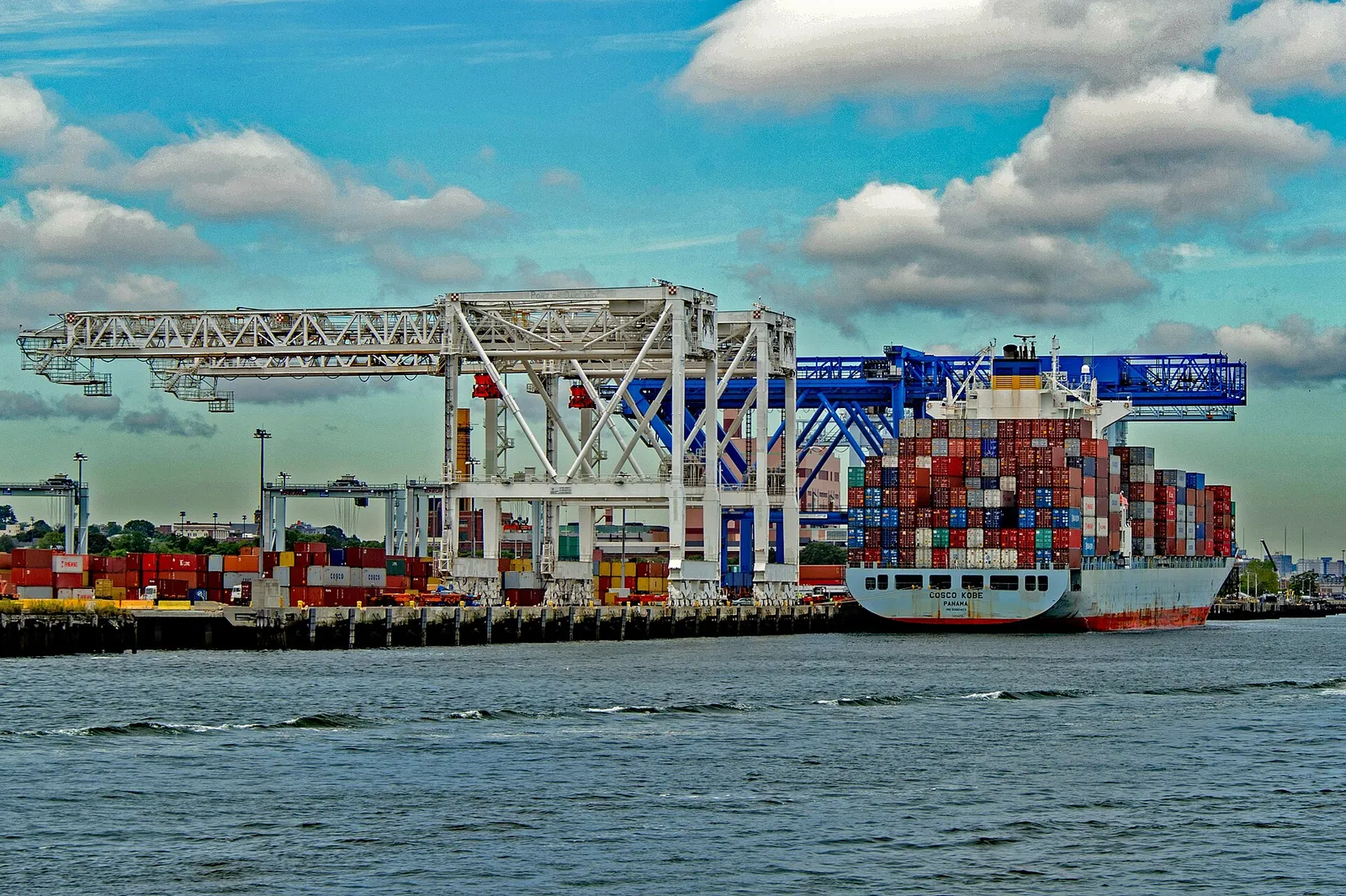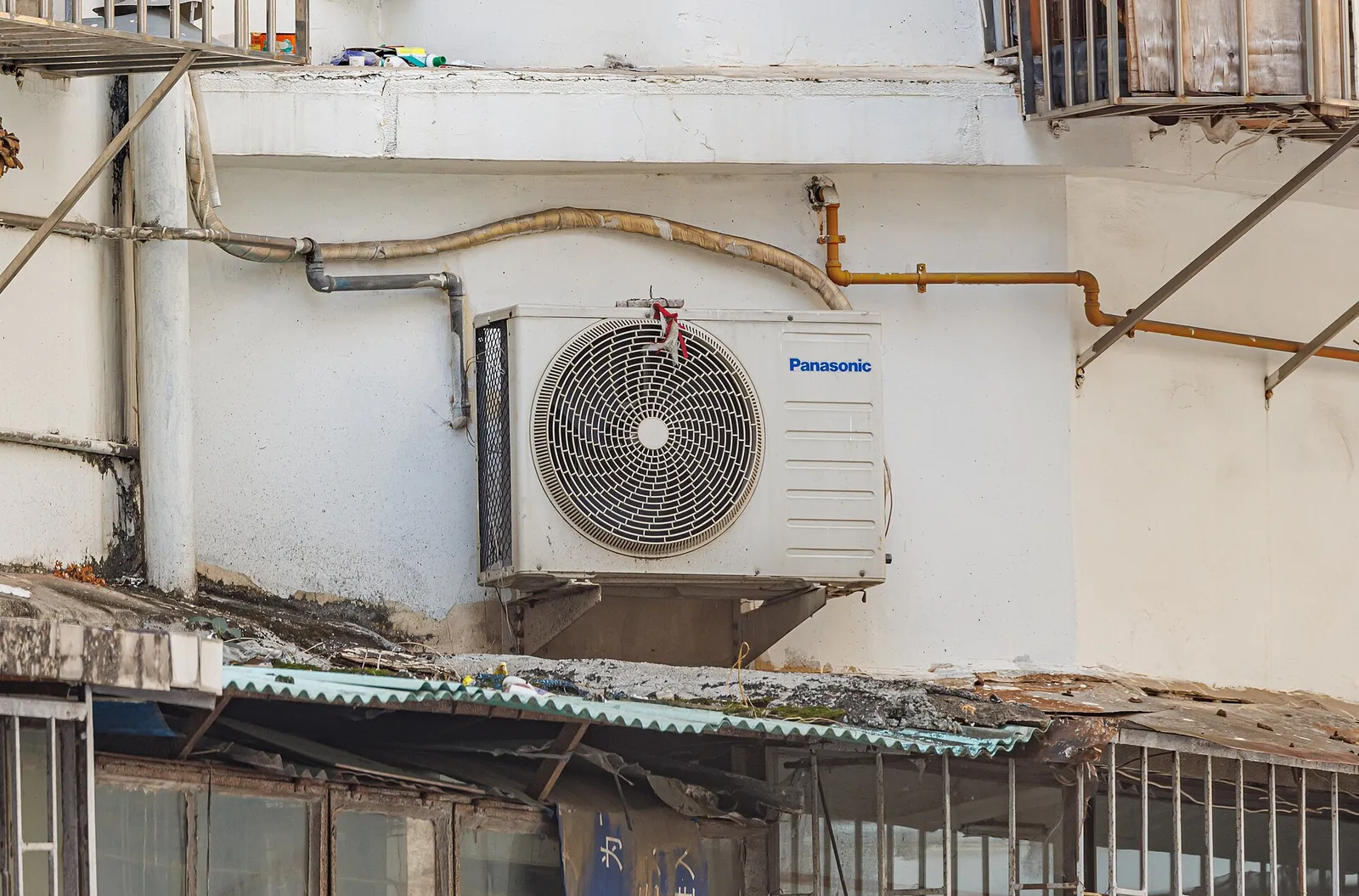
Europe is in the grip of another punishing heat wave, and across a continent where air conditioning was long a rarity, people are rushing to buy it. The catch is that most of the cheap, available units come from China — at the very moment the European Union is trying to reduce its reliance on Chinese factories.
A booming, one-sided market
Demand for cooling has surged as summers grow hotter. Historically only about a fifth of European households have had air conditioning — a legacy of a climate that rarely seemed to require it — leaving the continent scrambling to catch up. Chinese manufacturers have moved fastest to meet that need. Imports of Chinese air conditioners rose sharply during last year's cooling season, CNBC reported, and Chinese brands such as Midea, Gree and Haier now account for a large share of the European market — with no EU-owned brand among the best sellers.
That dominance is rooted in supply chains. A large majority of the world's air-conditioner components — compressors, tubing, assembly — are made in China, giving its manufacturers a cost and speed advantage that European rivals, whose cooling industry withered in cooler decades, have struggled to match.
The bigger trade fight
The air-conditioner boom lands in the middle of a wider argument over trade. The EU ran a goods trade deficit with China of hundreds of billions of euros last year, a gap Brussels calls unsustainable and blames in part for fears of "deindustrialisation." In response, the bloc has moved to defend its industries — imposing tariffs on Chinese electric vehicles, tightening steel-import quotas and pushing policies to favor European production, as Al Jazeera reported. The EU's trade chief has said bluntly that China's exports to Europe keep rising while European access to China's market shrinks, and that the trend cannot continue.
Cooling appliances sit awkwardly inside that push. Making them more expensive or harder to import risks pricing Europeans out of the very equipment that helps them cope with dangerous heat.
A regulatory twist
Complicating matters further is a coming environmental rule. To cut planet-warming emissions, the EU is set to restrict air conditioners that use refrigerants with a high global-warming potential, phasing them out in favor of climate-friendlier alternatives from 2027. The environmental logic is clear — these gases contribute to warming — but the change is expected to raise manufacturing costs, and Chinese makers, better placed to absorb such shifts, may end up strengthened rather than weakened.
Two views of the same problem
The two sides see it differently. For Brussels, the goal is to rebuild European industrial capacity and reduce strategic dependence on a single supplier — a matter, officials argue, of economic security. For Beijing and Chinese industry, the surge simply reflects supply and demand: China did not create Europe's need for cooling, this argument runs, climate change did, and Chinese firms met it faster and cheaper than anyone else. Some in China's industry have also suggested that tighter EU rules are as much about shielding local producers as protecting the environment.
Both positions contain some truth, which is what makes the dilemma so hard. Restricting imports could protect jobs and reduce dependence, but at the cost of higher prices during deadly heat. Keeping cooling cheap and plentiful means deeper reliance on China and a wider deficit.
No quick fix
The EU and China are due to discuss the trade imbalance later this year, but no one expects a rapid unwinding of a supply chain that Europe cannot replace in months. Meanwhile, the heat is not waiting: as temperatures climb, air conditioning is shifting from a luxury to something closer to a necessity — and, for now, Europe is buying it, in large part, from the country it is trying to depend on less.