
The British government has said it will accept all of the recommendations made by the public inquiry into the Southport attack, one of the most shocking acts of violence in recent British memory, and has set out a series of reforms in response.
What the government has accepted
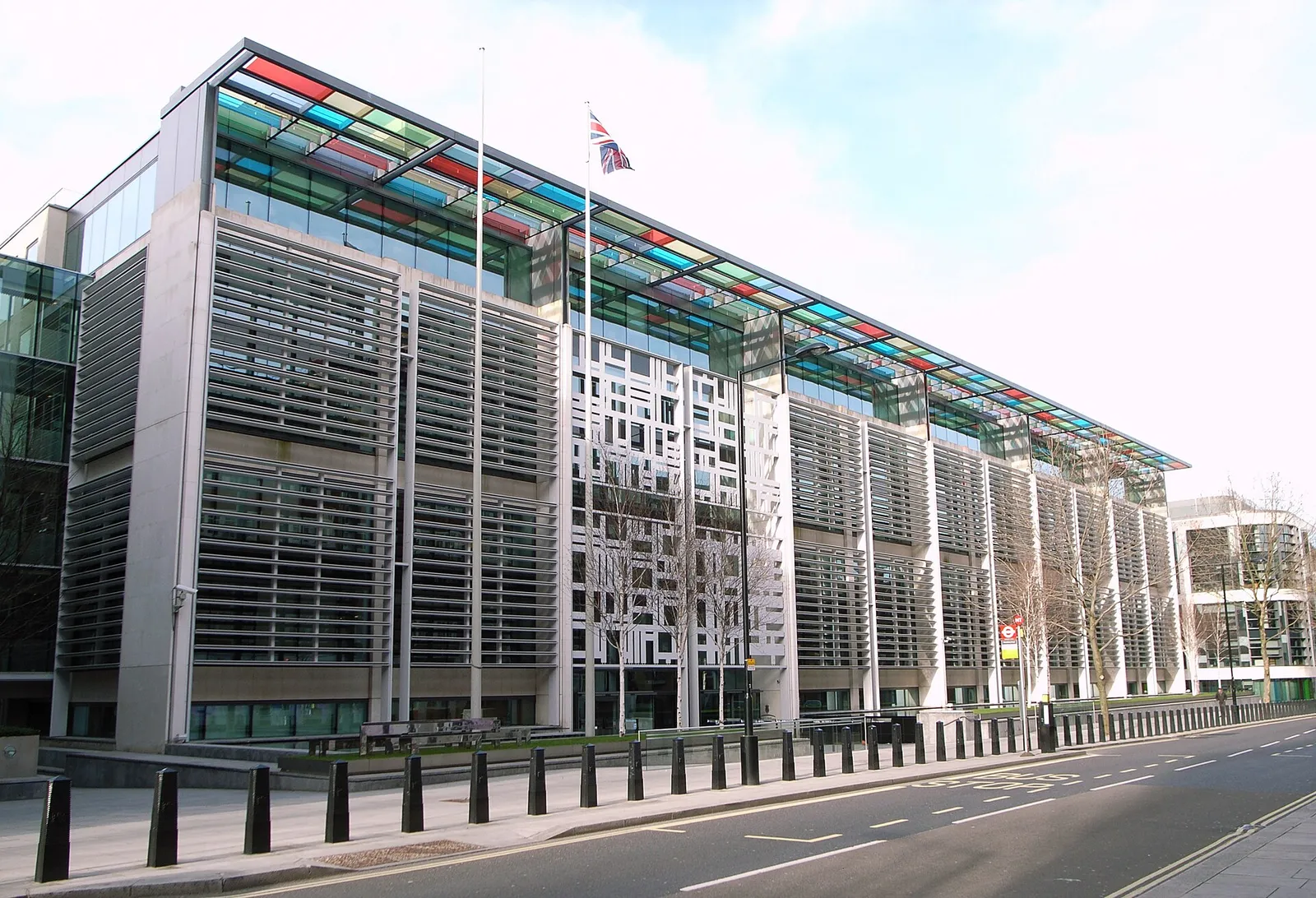
The inquiry, chaired by Sir Adrian Fulford, made 67 recommendations in the first phase of its work, and the government has said it accepts them all, the Home Secretary, Shabana Mahmood, indicated. The recommendations span policing, social services, education, mental health care and the counter-extremism programme known as Prevent, after the inquiry's phase-one findings pointed to failures across several agencies.
The attack
On July 29, 2024, an attacker entered a Taylor Swift-themed dance and yoga workshop for children in Southport, in northwest England, and stabbed those inside. Three girls were killed — Bebe King, six; Elsie Dot Stancombe, seven; and Alice da Silva Aguiar, nine — and several other children and adults were wounded. The attack caused national grief and, in its aftermath, was followed by rioting in several English towns.
The attacker, Axel Rudakubana, who was 17 at the time, later pleaded guilty to murder and attempted murder and was jailed. Investigators concluded he did not have a single clear ideological motive — a finding that has shaped the debate about how fixated, violent individuals should be identified and managed.
What the inquiry found
The first phase examined the missed opportunities to intervene before the attack. It found that several agencies had come into contact with Rudakubana over the years but that none had grasped the full picture of the risk he posed, as NPR reported. Among the concerns were poor information-sharing between organizations, a lack of clarity over which body was responsible for managing the risk, and shortcomings in the Prevent programme, to which he had been referred more than once.
The reforms
In response, the government has set out changes across several areas. On counter-extremism, it has moved to tighten the thresholds for Prevent referrals and to appoint an independent Prevent Commissioner to oversee the programme. It has said it will create a new criminal offence covering the planning of mass violence where there is no ideological motive — closing a gap the case exposed, since much counter-terrorism law hinges on ideology.
The government has also introduced tighter controls on knives, including restrictions on online sales and bans on certain weapons such as so-called ninja swords and zombie-style machetes, and is consulting on further measures around children's access to social media and violent content online. Guidance for agencies that work with young people is being revised to improve coordination and the sharing of information.
What comes next
A second phase of the inquiry, also under Sir Adrian Fulford, is due to report in the spring of 2027. It is examining the wider question the case raised: whether the systems meant to identify and manage people fixated on committing mass violence — spanning police, social services, mental health services and schools — are adequate, and what role the internet plays in enabling such attacks.
For the families of the three girls, and for a town still marked by what happened, the government's acceptance of the recommendations is a step toward the changes campaigners have demanded. Whether they prevent a future tragedy will depend, as the inquiry itself stressed, on how fully they are carried out.