
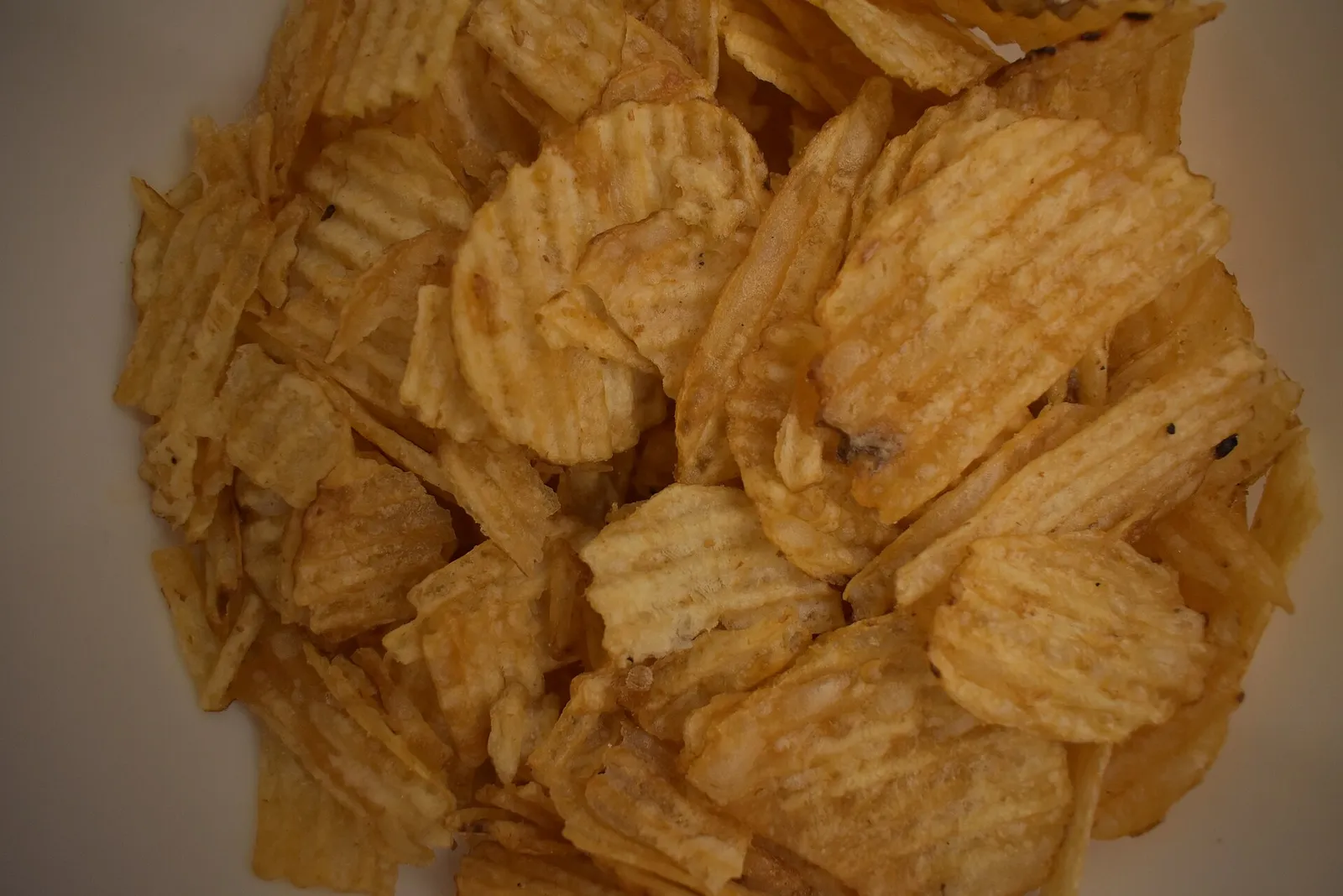
A recall of popular potato chips has been elevated to the most serious category the U.S. Food and Drug Administration uses, after the discovery that a seasoning ingredient might have been contaminated with salmonella. No one is known to have become ill.
What was recalled
The snack maker Utz Quality Foods voluntarily recalled roughly 685,000 bags of chips sold under its Zapp's and Dirty brands, spanning several flavors and package sizes, Good Morning America reported. The FDA later assigned the recall its Class I designation, the agency's highest, reserved for cases in which there is "a reasonable probability" that a product could cause serious harm or death.
The affected products were distributed across dozens of U.S. states and carry best-by dates in the weeks ahead, according to the recall notices. Consumers are advised to check package details against the official list and to throw away or return any chips covered by the recall.
Why the concern
The recall traces back not to the chips themselves but to their seasoning. A third-party supplier alerted Utz that dry milk powder used in the flavoring might contain salmonella, ABC11 reported. The company opted to pull the products as a precaution even though, according to the coverage, the seasoning batches in question later tested negative for the bacteria.
Salmonella is a common cause of foodborne illness, typically producing fever, stomach cramps and diarrhea within hours to a few days of exposure. Most people recover without treatment, but the infection can be dangerous for young children, older adults and those with weakened immune systems — the reason regulators treat even a possible contamination seriously.
No reported illnesses
Crucially, the companies and regulators say no illnesses have been reported in connection with the recalled chips. The Class I label reflects the potential severity of salmonella, not a confirmed outbreak — a distinction that can be lost when a recall reaches the FDA's top tier.
The bigger picture
The episode is a reminder of how modern food supply chains work, and where their weak points lie. A single shared ingredient — here, a milk powder used in seasoning — can ripple across many products and brands, which is why a precautionary flag from one supplier can trigger a recall of hundreds of thousands of bags. For consumers, the practical takeaway is narrow and familiar: check the brand, flavor and date codes, and when in doubt, don't eat it.