
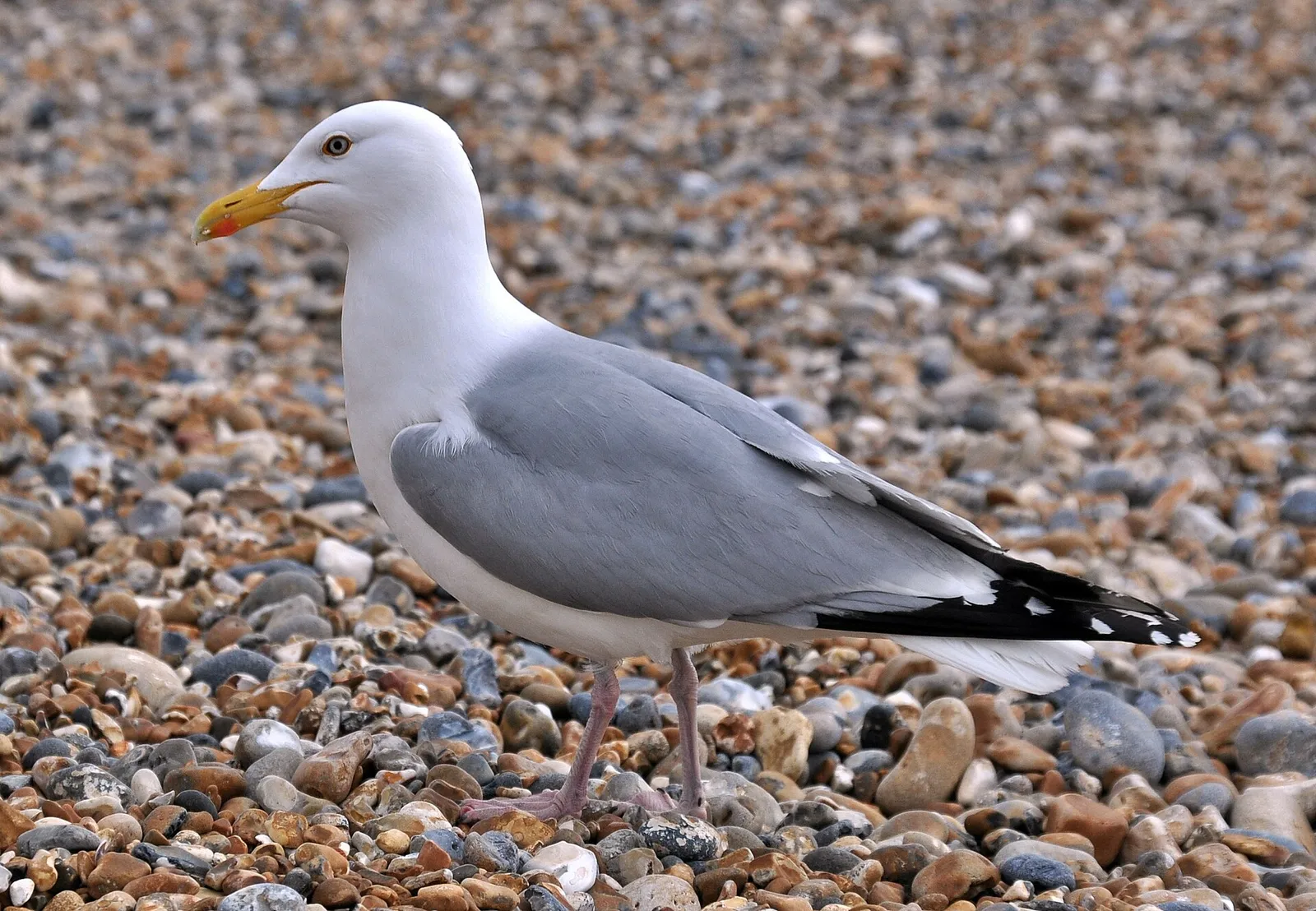
Wildlife rescuers on the Isle of Man are dealing with a troubling case: a series of herring gulls found coated in oil, in a coastal town where the source of such pollution has eluded investigators for years.
What happened
A local rescue charity, Manx Wild Bird Aid, has recovered more than a dozen oiled herring gulls near the harborside in Peel, on the island's west coast, Isle of Man Today reported. The birds were found over a period of weeks, and rescuers say more only partly affected birds remain out in the area. The substance smells like fish oil, but its exact origin has not been confirmed.
Why oil is so dangerous to birds
For a seabird, becoming coated in oil is far more than a mess. A bird's feathers are carefully structured to trap air and repel water, keeping it warm and buoyant. Oil destroys that waterproofing: an oiled bird can no longer keep out the cold or stay afloat, and quickly risks hypothermia or drowning once in the water. Worse, as the bird tries to clean itself by preening, it swallows the toxic oil, which can poison it from the inside. That is why rescuers move fast to catch, wash and rehabilitate affected birds.
An unsolved, recurring problem
What has particularly frustrated rescuers is that this is not new. Similar contamination has turned up in the same part of Peel before — an oiled peregrine falcon was found there a few years ago — yet the source has never been identified despite past investigations. A spokesperson for the charity said the authorities had never been able to trace the pollution, expressing hope that this time might be different, and noting that the episode sits awkwardly with the island's status as a UNESCO-recognized biosphere region, Manx Radio reported.
A bird under pressure
The timing matters, too, because herring gulls are not doing as well as their ubiquity around British seaside towns might suggest. Though often treated as a nuisance, the herring gull is a species of conservation concern in the UK, with populations having fallen sharply over recent decades. Conservationists point to a mix of pressures, including changes in food supply and disease.
The oil comes during the breeding season, adding another risk: an adult bird that is oiled — or killed — may leave chicks without the care they need to survive. For a species already under strain, rescuers say, avoidable harm like this is especially costly.
What happens next
For now, the immediate work is caring for the rescued gulls, a slow process of cleaning and recovery. Beyond that, the incident has renewed calls for the authorities to find and stop whatever is releasing the oil — so that a problem that keeps returning to the same stretch of coast does not simply recur again next year.