Digital files feel permanent. They do not yellow, tear or gather dust, and they can be copied endlessly without loss. Yet in the long run they are far more fragile than the paper they replaced — and that fragility is becoming a serious problem for governments, which are legally bound to keep records safe for decades or forever.
Why digital is fragile
The threats to a digital record are different from those facing a paper one, and they are less obvious. Three stand out.
The first is format obsolescence. A file is only readable if there is software that understands its format. As programs are updated and abandoned, older file types can become orphaned — technically intact, but unreadable, because nothing can open them anymore.
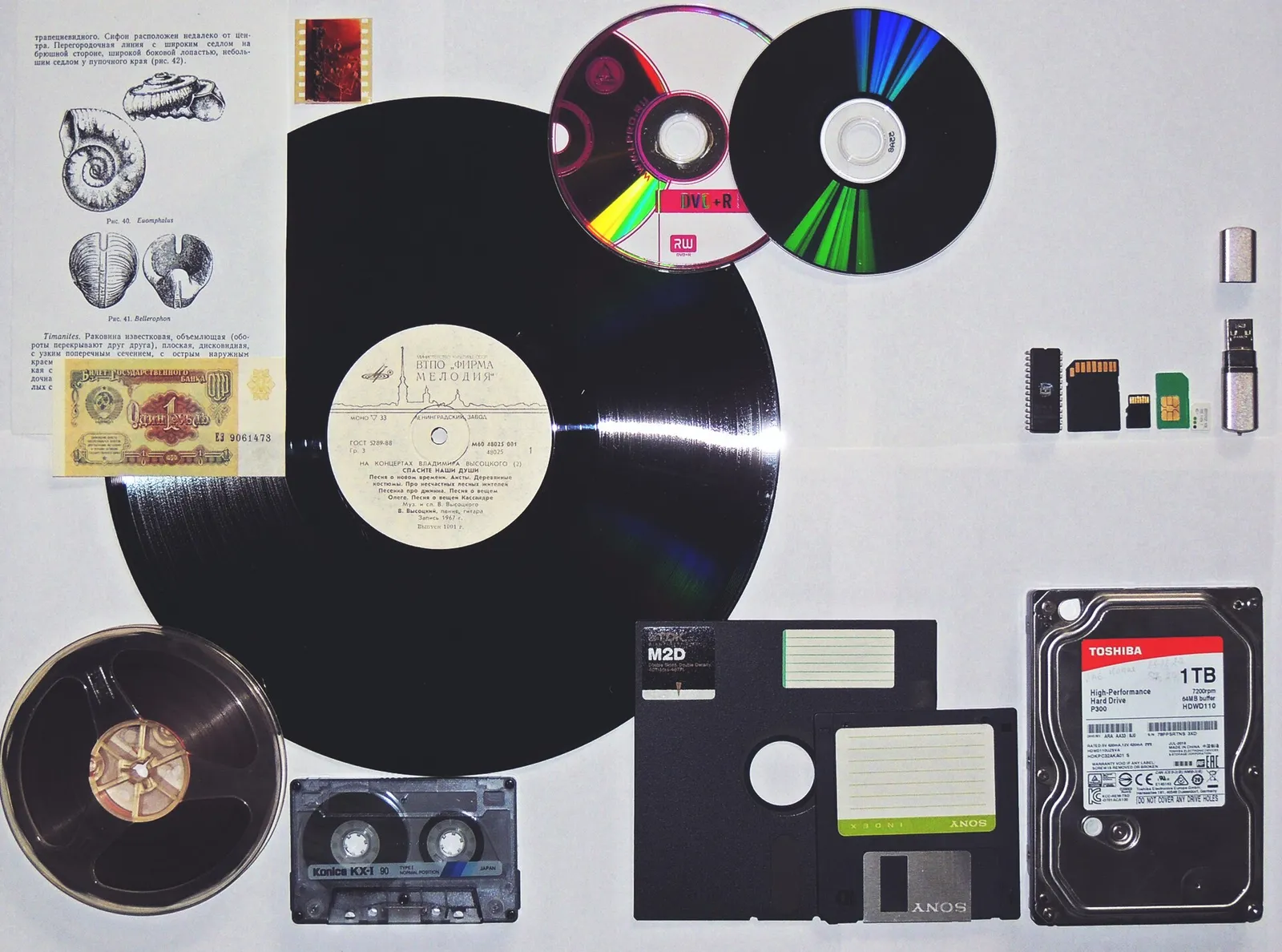
The second is media decay, sometimes called "bit rot." The physical media that store data — hard drives, magnetic tapes, optical discs, memory chips — degrade over time, and the ones and zeros can quietly corrupt. Unlike a fading page, this decay is invisible until a file simply fails to open.
The third is lost context. Even when the data survive, the information that gives them meaning — who created a record, when, and why — can be stripped away when files are copied or moved between systems, leaving documents that are technically preserved but hard to interpret.
Why government records are especially at risk
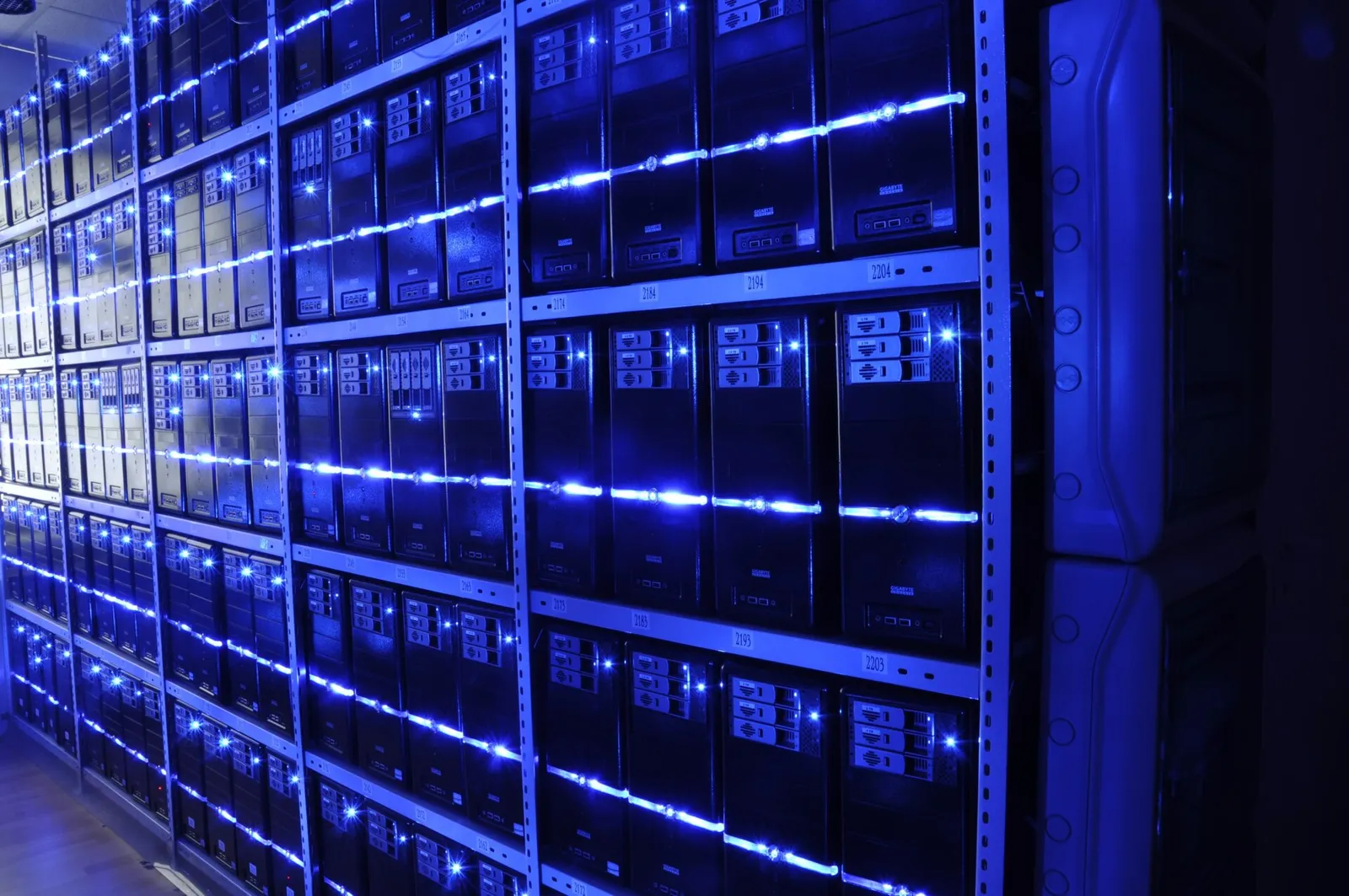
Governments face the problem at enormous scale. They generate vast quantities of digital material — emails, databases, spreadsheets, websites — and are often required by law to retain it for very long periods, as national archives describe. Their IT systems change constantly, so a record created in one department's software in 2005 may be marooned by the time anyone needs it in 2035.
That matters well beyond nostalgia. Government records document decisions, spending, rights, and the reasoning behind policy. If they cannot be read in the future, historians lose the raw material of the past, and citizens lose a tool for holding power to account.
How archivists fight back
Preservation specialists have developed several defenses, none of them a permanent fix. One is migration: periodically converting files into stable, open formats less likely to become obsolete. Another is emulation: rather than changing the file, recreating the old software environment needed to open it, so the original can run on modern machines.
Institutions also rely on redundancy and vigilance — keeping multiple copies in different places, and using "fixity checks," digital fingerprints that reveal if a file has changed even slightly, so corruption can be caught and a clean copy restored, the UK's National Archives explains. National archives also maintain catalogues of file formats and the technology needed to read them, so they know what they hold and how at-risk it is.
The 'digital dark age'
The worry that underlies all this has a name: the "digital dark age," a scenario in which future generations know less about our era than about earlier ones, because so much of what we produced was born digital and quietly lost. It is not inevitable — the tools to prevent it exist — but they require sustained money, staff and attention, at a time when the sheer volume of records keeps growing.
The task is only getting harder. As the amount of data explodes, archivists are beginning to look to automation, and even artificial intelligence, to help decide what to keep. But the underlying lesson is a humbling one for a digital age: keeping information alive over the long term is not automatic. It takes deliberate, unglamorous, continuous work — and the moment it stops, the record starts to fade.