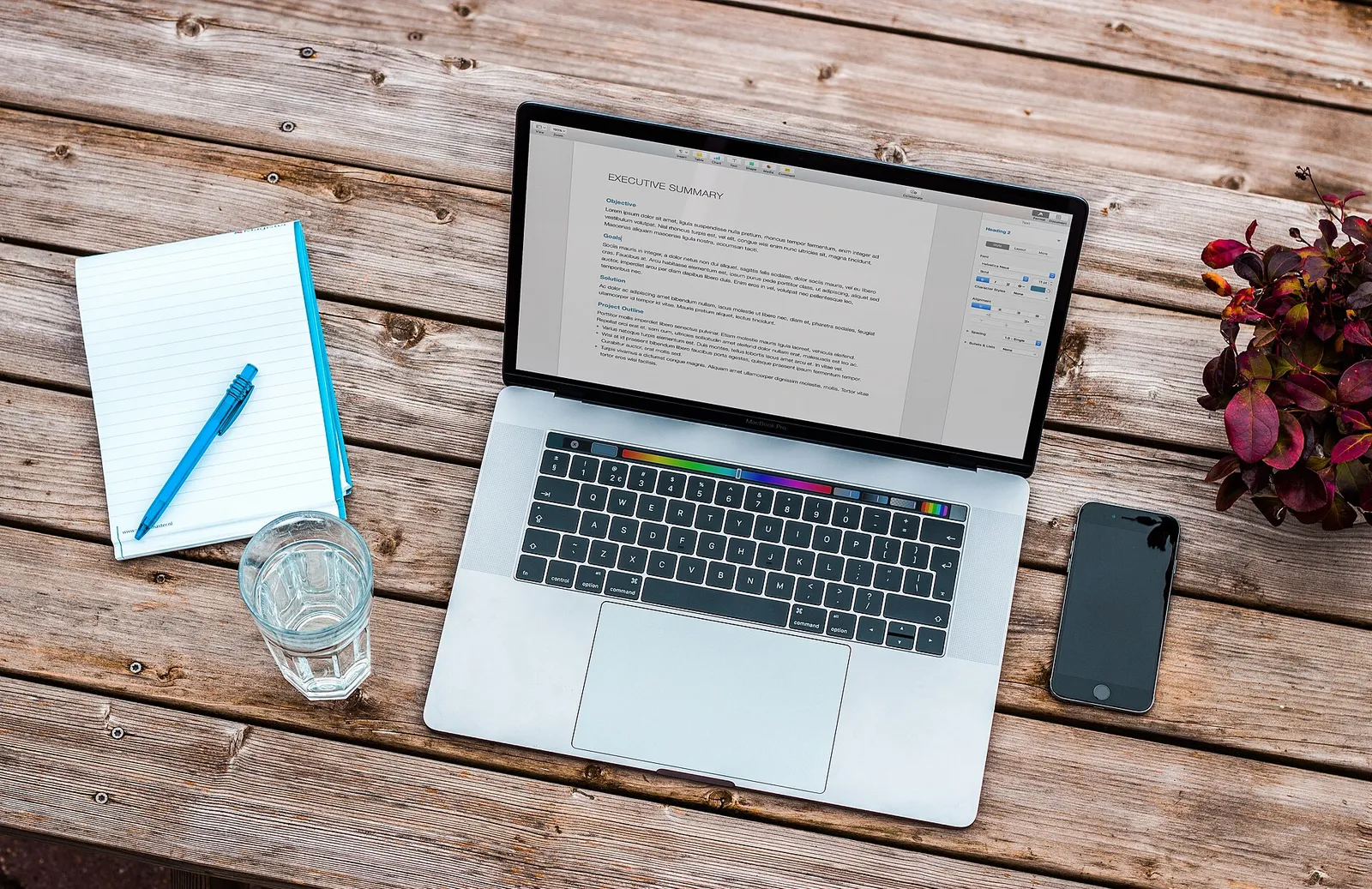
Apple watchers have a fresh round of speculation to chew on: the company is reportedly planning to redesign its entry-level MacBook Pro, in what would be the first significant change to the laptop's look in several years. As with most Apple product rumors, the details come from press reporting rather than the company itself — and are worth treating as informed guesswork, not fact.
What is being reported
According to The Verge, summarizing recent reporting, Apple is lining up two steps for its lower-cost Pro laptop. The first is an interim update, expected in late 2026, that keeps the current design largely intact while moving to a newer Apple-designed processor. The more substantial change — a redesigned entry-level model with the next generation of chip — is said to be targeted for the first half of 2027.
Much of the underlying reporting has been attributed to Bloomberg's Mark Gurman, a journalist with a strong track record on Apple's plans, and echoed by specialist outlets such as MacRumors. The reports also describe new iPad Pro models arriving in the same window, part of what some coverage has billed as an unusually busy stretch of Apple hardware updates.
Why an entry MacBook Pro matters
The entry-level MacBook Pro occupies an awkward middle ground in Apple's lineup, sitting above the thin-and-light MacBook Air but below the more powerful Pro machines aimed at professionals. Its core design has stayed broadly the same since a 2021 overhaul that reintroduced ports and a sharper display.
A redesign would matter to a specific set of buyers — students, writers, developers and creative users who want Pro-tier capability without paying for the highest-end configurations. For them, styling, weight, screen quality and battery life are precisely the things a refresh tends to touch. Aligning the cheaper model more closely with Apple's premium designs could also simplify a range that critics say has grown confusing.
The usual caveats
None of this is settled. Apple does not comment on unreleased products, and even well-sourced timelines shift: features get delayed, models get merged or cut, and launch dates slip. Rumored specifications — the exact chips, whether the screen technology changes, the final look — should be read as provisional until Apple says otherwise.
What the reporting does capture is a broader pattern. Apple has been moving to update its chips more frequently, in part to keep pace with the heavier demands of on-device artificial intelligence, and a redesign of its most accessible Pro laptop would fit that push. For anyone weighing a MacBook purchase, the practical takeaway is modest: if the reports hold, a more capable and freshly styled entry model may be a year or so away — a reason, perhaps, for the less urgent buyer to wait and see.