For two weeks, Mexico allowed itself to dream. Hosting the World Cup for a third time, and watching its team win its group and roll into the knockout rounds, the country turned plazas and streets into a rolling celebration. Then, at the Estadio Azteca, the dream ran into England, and a 3-2 defeat sent the hosts out at the round of 16.
A fortnight of joy
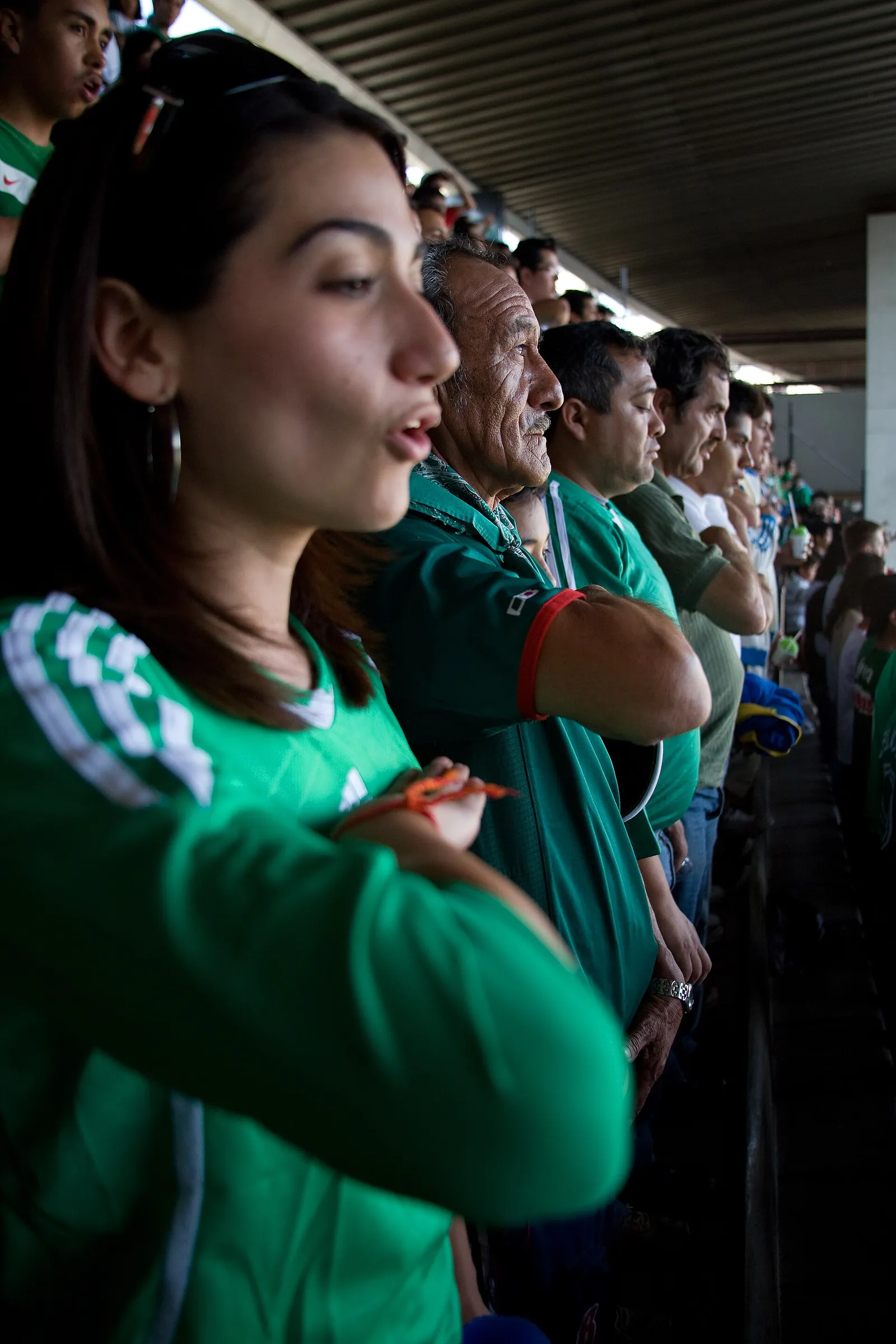
Mexico swept through the group stage, and each result seemed to pull more people into the streets. In Mexico City, crowds gathered around the Angel of Independence and in the Zócalo, wrapped in green, white and red, singing and setting off fireworks. Older fans reached back to 1986, the last time the country hosted, and told younger ones what it had felt like then. For a nation used to seeing itself in harder headlines, the tournament offered a different story: Mexico as host and protagonist.
That the celebration happened at home carried extra weight. Mexico City has now staged World Cup opening matches in 1970, 1986 and 2026, a distinction no other city shares, and the Azteca remains one of the game's great cathedrals.
So close to history
The match against England captured the whole arc in 90 minutes. England went 2-0 up through a Jude Bellingham double, and Mexico pulled one back before halftime. When England had a player sent off in the second half, the Azteca roared, sensing a chance, and even after Harry Kane's penalty made it 3-1, Mexico kept coming, scoring again to set up a frantic finish. The equalizer would not come.
The pain was specific. Mexico has reached the World Cup's last 16 many times, but has not gone further, to the quarterfinals, since it hosted in 1986. To come so close to breaking that long wait, on home soil, and fall short, cut deeper than an ordinary exit.
Pride in the ache
In defeat, the language from the camp mixed sorrow with something steadier. Mexico's coach, Javier Aguirre, said he felt "proud but hurt," ESPN reported, a line that seemed to capture the national mood. The team had given its supporters a run to savor, as NPR noted in its account of the night at the Azteca, even as the result stung.
The gift that remains
In the days after, the sense in Mexico City was that the tournament had given the country something that did not depend on a trophy: a shared, joyful moment, staged in front of the world, in a city that helped write the World Cup's history. The quarterfinal wait goes on. But the fortnight of flags and fireworks, and of a nation believing together, is not something the final whistle could take away.