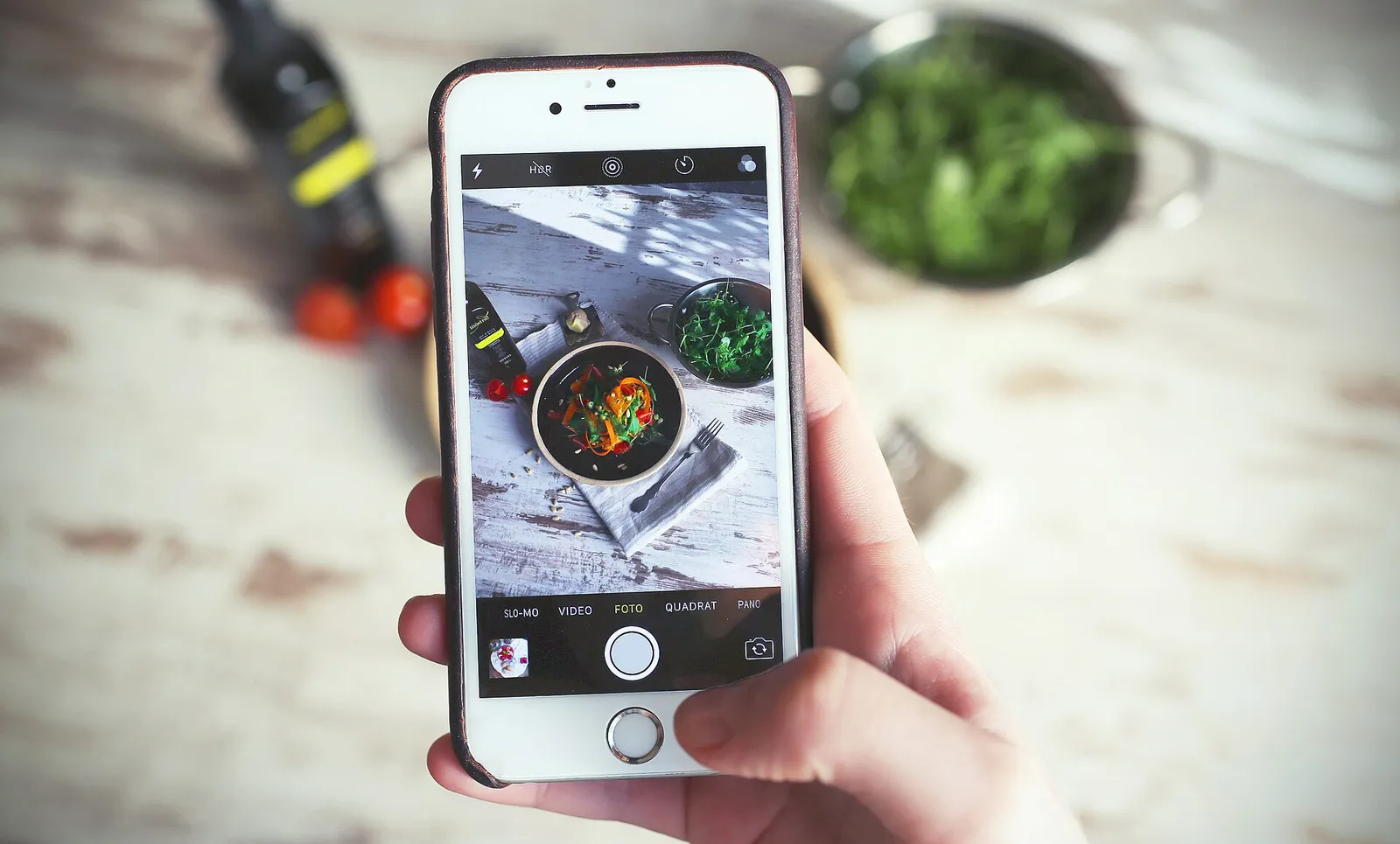
How much is a post on Instagram worth? For Wild, a British maker of refillable natural deodorant now owned by the consumer-goods giant Unilever, the answer runs to hundreds of thousands of pounds, and in one case around a million.
In an unusually candid account of its marketing, the company's co-founder disclosed that Wild spends just under £10m a year on influencer partnerships and employs more than 20 people dedicated solely to that work. Individual deals, he said, range from about £100,000 to millions.
The names and the numbers
At the top of that range is Emma Raducanu, the British tennis player, who was reported to have been paid around £1m to serve as a brand ambassador, a partnership that included creating her own deodorant scent. The television presenter Stacey Solomon and the reality-television personality and entrepreneur Molly-Mae Hague were engaged for campaigns worth, in the company's telling, hundreds of thousands of pounds each.
The scale of the operation is striking. A single campaign with Solomon is said to have generated more than 100 different paid advertisements, each tweaked to appeal to a slightly different audience, a reminder that what can look like a casual celebrity endorsement is often a heavily engineered marketing exercise.
A maturing industry
Wild's spending is not an outlier so much as a sign of how far influencer marketing has come. Once a low-budget, grassroots corner of social media, it has grown into a substantial global industry, and brands increasingly treat it as a core channel rather than an experiment. The appeal is reach: a well-chosen creator can put a product in front of millions of engaged followers who feel they know and trust the person recommending it.
That trust is also where the tension lies. Audiences follow influencers for what feels like personal, authentic recommendation, yet the economics increasingly resemble conventional advertising, with the same money and planning behind them. Regulators have taken note. In the UK, the Advertising Standards Authority requires that paid promotions be clearly labelled, typically with an "ad" marker, so that followers can tell when they are being sold to. Studies of influencer content have repeatedly found that a significant share of posts fall short of those disclosure rules.
What the disclosure reveals
For all the eye-catching figures, the more telling point is what Wild's openness says about the market. Brands are willing to commit sums once reserved for television campaigns to a single person's social-media feed, because they believe it works. Whether audiences are entirely comfortable with that, as the line between genuine enthusiasm and paid promotion continues to blur, is a question the industry has yet to fully answer.
The company framed its influencer strategy as central to its rapid growth. For the rest of us, the disclosure is a useful glimpse behind the curtain of a business that shapes a great deal of what appears, apparently spontaneously, in our feeds.