Conagra Brands has cut its dividend by half and taken a large writedown against the value of its brands, results that its own management and outside analysts read as a warning about the state of the packaged-food business.
The company said it would reduce its quarterly dividend to $0.175 a share, from $0.35, freeing up cash to pay down debt, and booked a non-cash impairment charge of about $2 billion, tied to the falling value of its brands and business. For the full year, net sales fell by close to 3%, to around $11.3 billion. The dividend cut is a notable step for a company that had paid one for decades.
Squeezed from several sides
The results were the first major moves by a new chief executive, John Brase, who said the company needed to "realign our capital allocation" and strengthen its finances. Conagra pointed to stubborn cost inflation, in beef, cooking oils and transport, that it has struggled to pass on to shoppers already resistant to higher prices. It warned that sales would fall again in the coming year as customers buy less or trade down to cheaper brands.
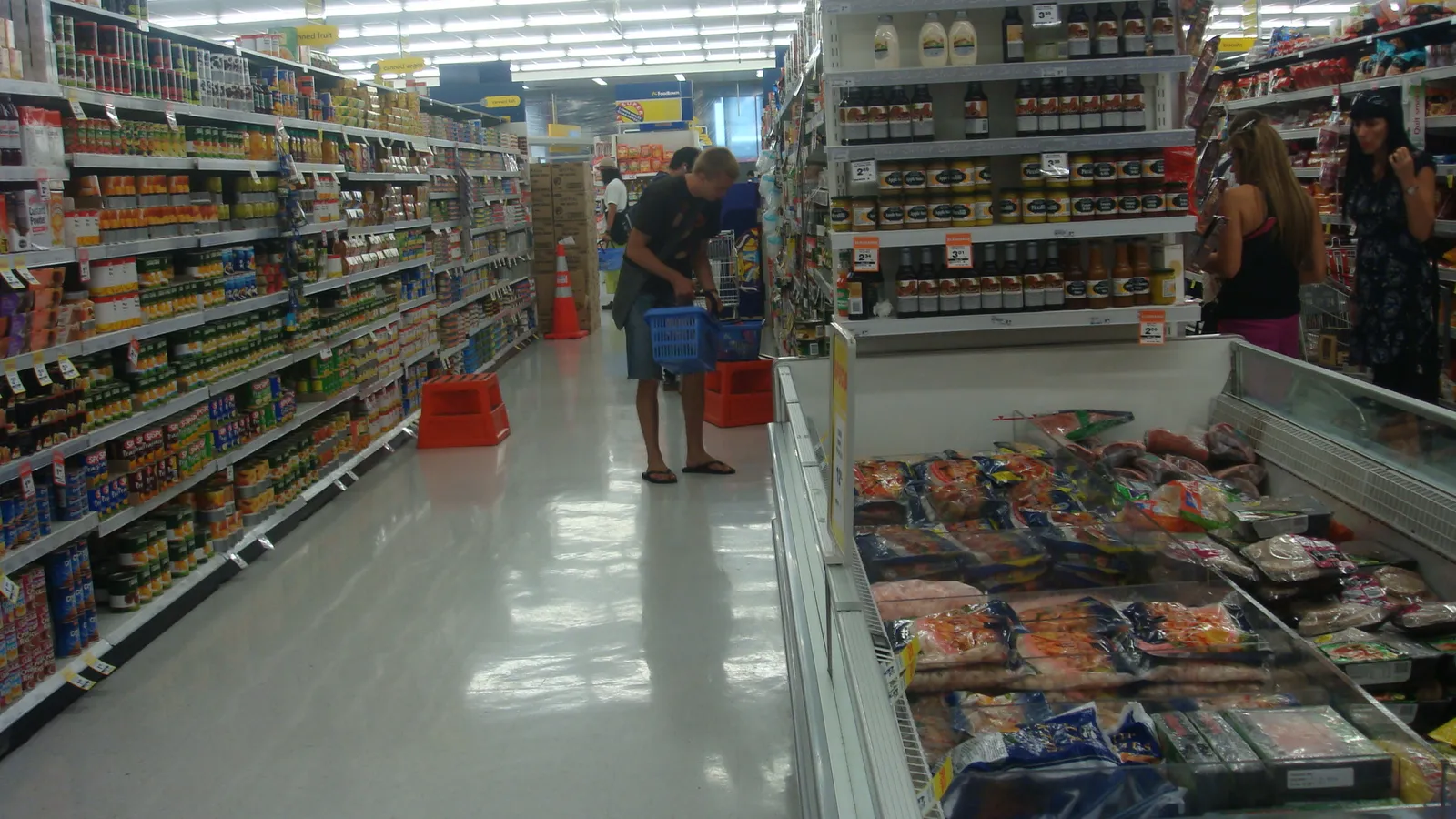
Layered on top is a longer-term shift in how people eat. The spread of weight-loss drugs such as Ozempic and Wegovy is curbing appetites and grocery spending, a headwind for companies whose business is built on selling large volumes of processed and indulgent foods. Conagra has begun labelling some portion-controlled meals as "GLP-1 friendly", a nod to the trend, but the change points to a structural challenge rather than a passing one.
Not just Conagra
Investors treated the news as a sign of wider strain. Conagra's shares have fallen sharply over the past year, and at least one major brokerage downgraded the stock after the dividend cut.
Rivals are wrestling with the same forces. Big packaged-food names such as Kraft Heinz and General Mills have faced weak demand, cost pressures and the need to invest in healthier, higher-margin products, and their profits are expected to slide this year. Kraft Heinz has gone as far as announcing plans to split itself in two, unwinding the logic of the megamerger that created it a decade ago.
Taken together, the picture is of an industry that thrived for years on steady demand and pricing power now finding both harder to come by. Conagra's decision to sacrifice a long-standing dividend, painful for the income-focused investors who tend to own such stocks, is a measure of how much the ground has shifted, and a signal, analysts warn, that more of its peers may soon face similarly hard choices.