
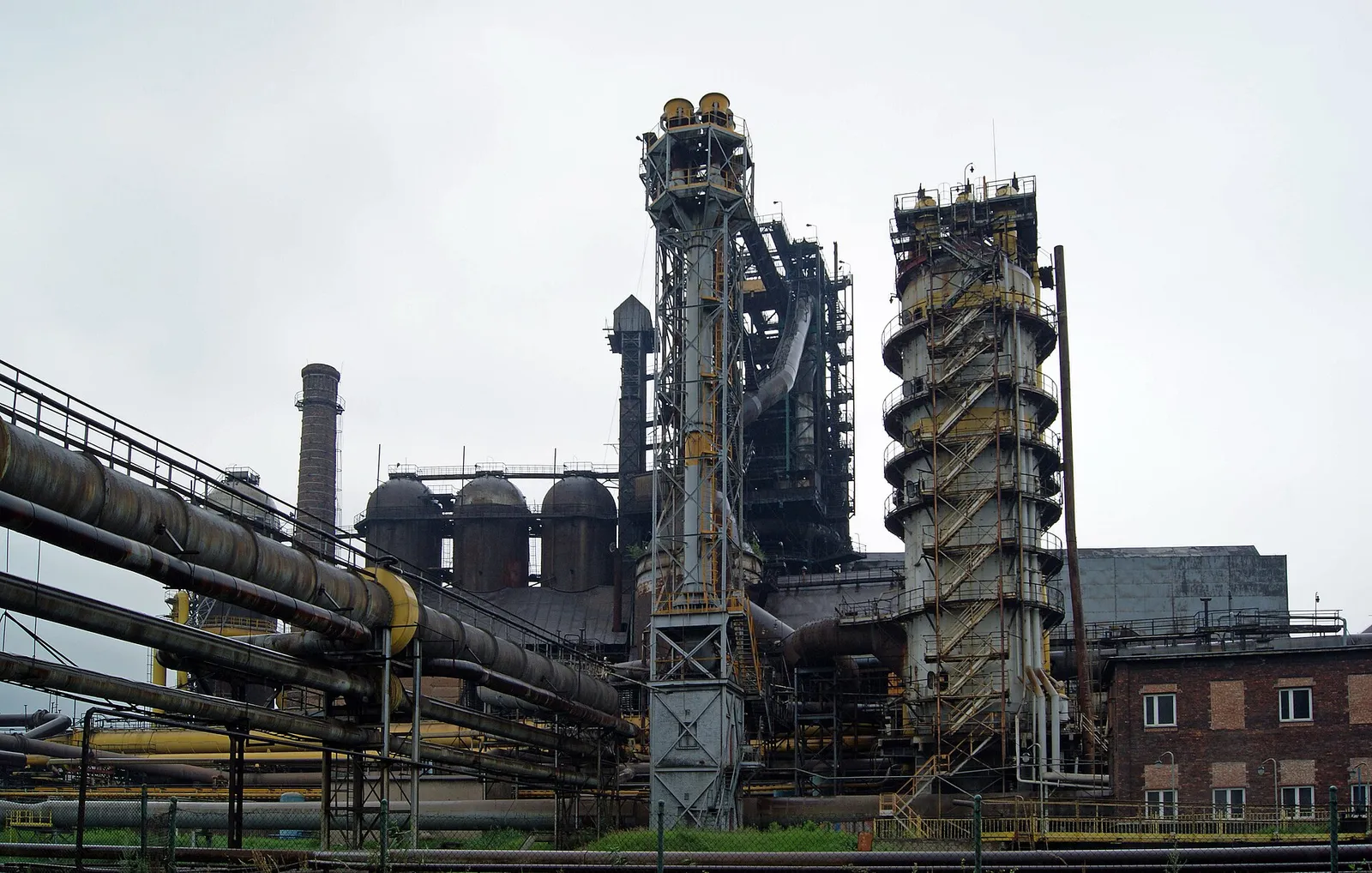
A bill that would let the UK government take steel companies into public ownership has passed its last stage in Parliament, clearing the House of Lords and moving toward becoming law.
The Steel Industry (Nationalisation) Bill would give ministers the power to bring British Steel into public ownership when they judge it to be in the public interest. It does not nationalise any company outright, but it creates the legal framework to do so, and the government has signalled that British Steel, the country's last maker of so-called virgin steel from raw materials, is the intended target.
A year of emergency intervention
The bill is the culmination of a crisis that began in the spring of 2025, when British Steel, owned by the Chinese group Jingye, moved to close its two blast furnaces at Scunthorpe, a step that would have ended Britain's ability to make steel from scratch. Parliament rushed through emergency "special measures" legislation, and the government took operational control of the plant to keep the furnaces running, according to the House of Commons Library, injecting hundreds of millions of pounds to keep it going. Jingye has remained the legal owner while the state has run day-to-day operations.
The new bill puts that arrangement on a firmer, longer-term footing by allowing full nationalisation.
Support and objections
Backers, including steel unions and industry groups, argue that domestic steelmaking is strategically vital, for construction, defence and the wider economy, and that protecting it safeguards thousands of jobs in industrial communities. The government has framed the measure as a matter of economic security.
Opponents, chiefly the Conservatives, have criticised the bill as too broadly drawn and have warned it could amount to a "blank cheque" for public spending on a loss-making industry, with insufficient parliamentary oversight. During the bill's passage through the Lords, peers pressed for more transparency and accountability, and the government made some concessions to ease its path.
A gift, and a burden, for Burnham
The timing is striking. The bill reaches the statute book just as Britain prepares for a change of prime minister, with Keir Starmer set to hand over to Andy Burnham next week. Burnham will inherit both the new powers and the underlying problem: an industry seen as too important to lose but expensive and difficult to sustain. Whether, and when, to use the nationalisation powers, and how much taxpayer money to commit to a revival, will be among the first big industrial decisions of his government.