Neko Health, the health-technology startup co-founded by Spotify's billionaire founder Daniel Ek, is bringing its body-scanning clinics to the United States, opening a first location in New York on the back of a large new funding round.
The company raised $700 million from investors, Bloomberg reported, valuing the business at around $7 billion and giving it the resources to push into the American market, where it says hundreds of thousands of people have joined a waiting list.
What the scan does
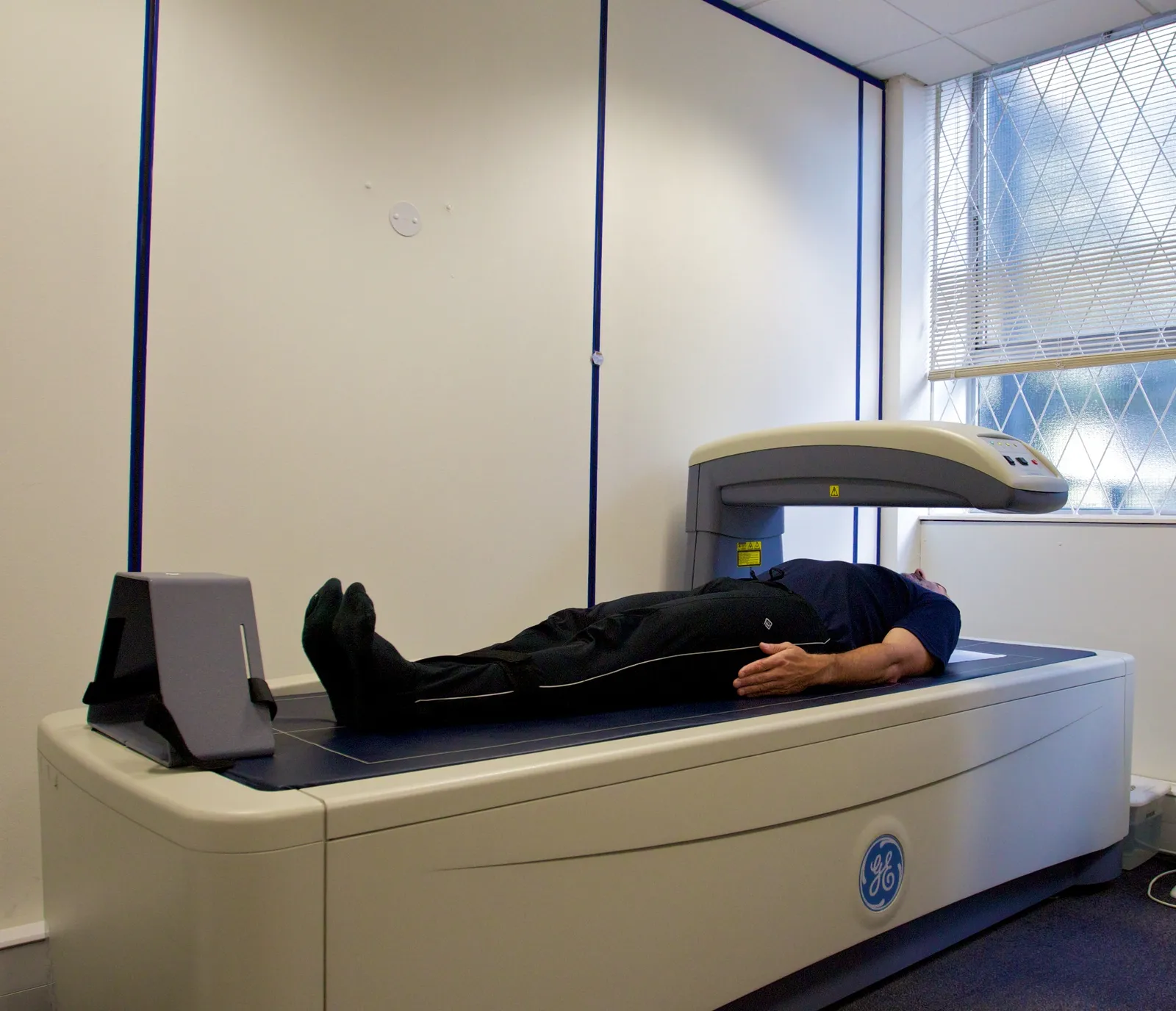
Founded by Ek and the Swedish entrepreneur Hjalmar Nilsonne, Neko offers a roughly hour-long "full-body" scan using a booth packed with sensors and cameras. The system captures a large volume of data on the skin, heart and circulation, including high-resolution images used to track moles over time, without using radiation. The company already runs clinics in Stockholm and London, where a scan costs around £300, and pitches the service as a way to spot problems early, before symptoms appear.
Investor enthusiasm
The fundraising drew in venture-capital firms alongside a roster of high-profile backers from sport, fashion and music, reflecting the surge of money flowing into preventive health and longevity ventures. Neko says demand has been strong, with a large US waiting list even before its first clinic opens.
Doctors urge caution
The expansion lands in the middle of a genuine medical debate. Many specialists are wary of marketing whole-body scans to healthy people. Major radiology bodies do not recommend total-body screening for people without symptoms or specific risk factors, noting that such scans have not been shown to save lives.
A central worry is the "incidentaloma": a finding that turns out to be harmless but sets off a cascade of follow-up tests, scans and sometimes invasive procedures, with their own risks and anxieties. Critics also caution about overdiagnosis, particularly of slow-growing conditions that might never have caused harm, and note that Neko's own published data comes without the kind of control group needed to prove that early detection actually extends lives.
Neko argues that catching problems early lets people act sooner, and says it is continuing to invest in research as it grows. "We're taking our mission to the US for the first time," Nilsonne said, according to reporting on the round, "while continuing to invest in the research and technology that make prevention possible at scale." Whether large numbers of Americans will pay out of pocket for a scan, and whether the medical evidence catches up with the marketing, will determine how far the model spreads.