

Astronomers have discovered a new planet circling Beta Pictoris, a bright, young star about 63 light-years away that has been studied intensively for decades, showing that even familiar systems can still hide worlds from view.
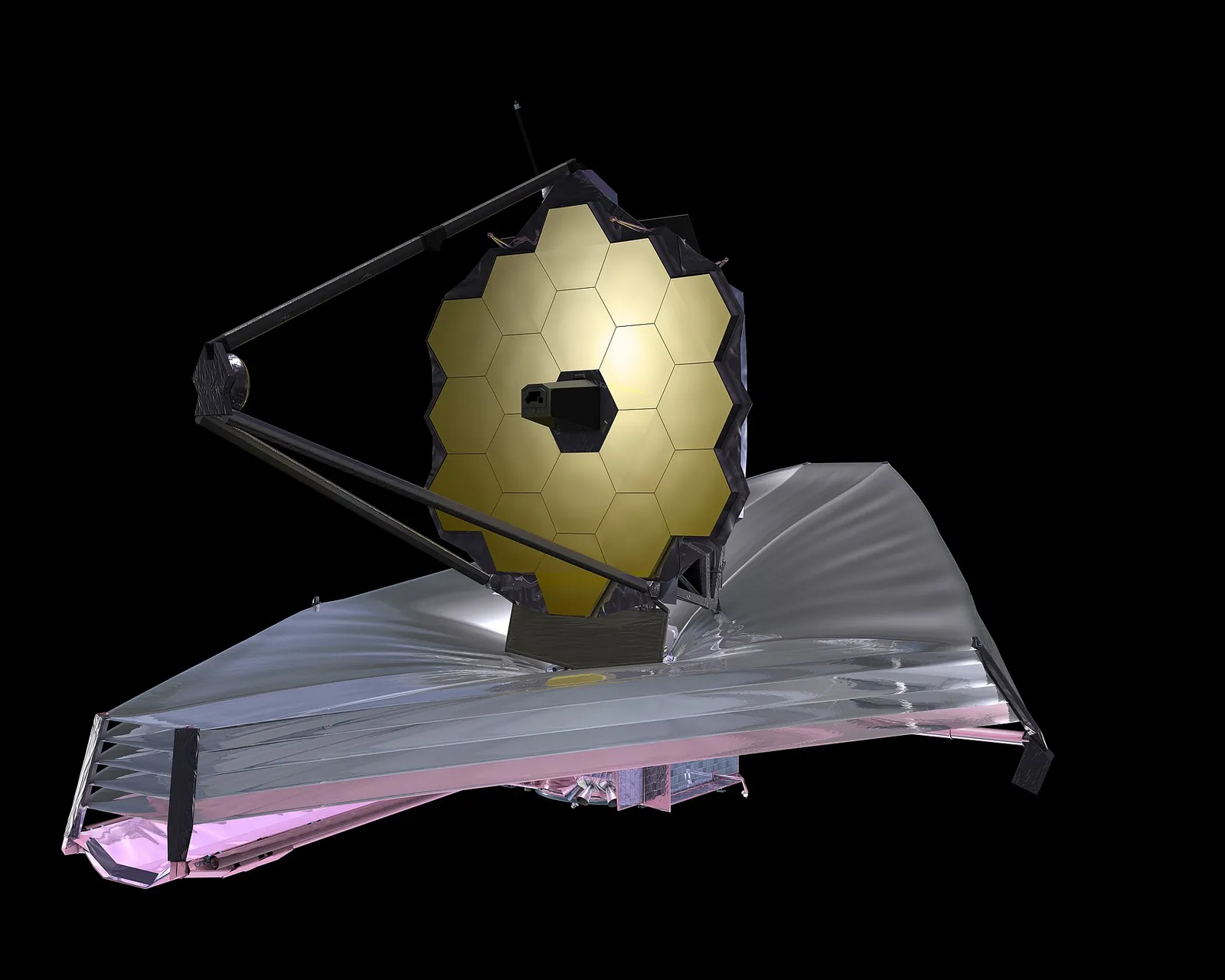
The planet, named Beta Pictoris d, is a gas giant a little more than twice the mass of Jupiter, orbiting its star at roughly the distance Neptune sits from the Sun. The find was led by a team including researchers at the University of Edinburgh, drawing on observations from ground-based telescopes in Chile together with archival data from NASA's James Webb Space Telescope.
Hidden in the glare
Beta Pictoris has long fascinated astronomers because it is young, just a few tens of millions of years old, and surrounded by a vast, bright disk of dust and debris left over from planet formation. That same brilliance is part of why the new planet stayed hidden: its faint glow was easily lost against the dust and the light of the star, and at times it passed close to a brighter, already-known planet in the system, disappearing into its glare.
Hints of the world had reportedly lurked in earlier data for years without being recognised. It was only by combining infrared observations across more than a decade, and tracking how the faint speck moved over time, that researchers confirmed it was a real planet rather than a background star or a trick of the instruments.
What the planet is like
The team reports that Beta Pictoris d has a hot atmosphere containing carbon dioxide, water vapour and methane, and that it takes about 91 years to complete a single orbit. Studying such a planet around so young a star gives astronomers a rare window onto how planetary systems take shape and settle down in their first tens of millions of years.
A sign of things to come
Beyond the specifics of one planet, the discovery is being hailed as a milestone for what can be achieved from the ground. Described as the faintest exoplanet yet directly imaged from Earth, it shows that large ground-based telescopes can pick out worlds once thought detectable only from space. That bodes well for a coming generation of giant observatories, which astronomers expect to reveal many more dim, distant planets hiding around nearby stars, and to fill in a fuller picture of the worlds that populate our galactic neighbourhood.