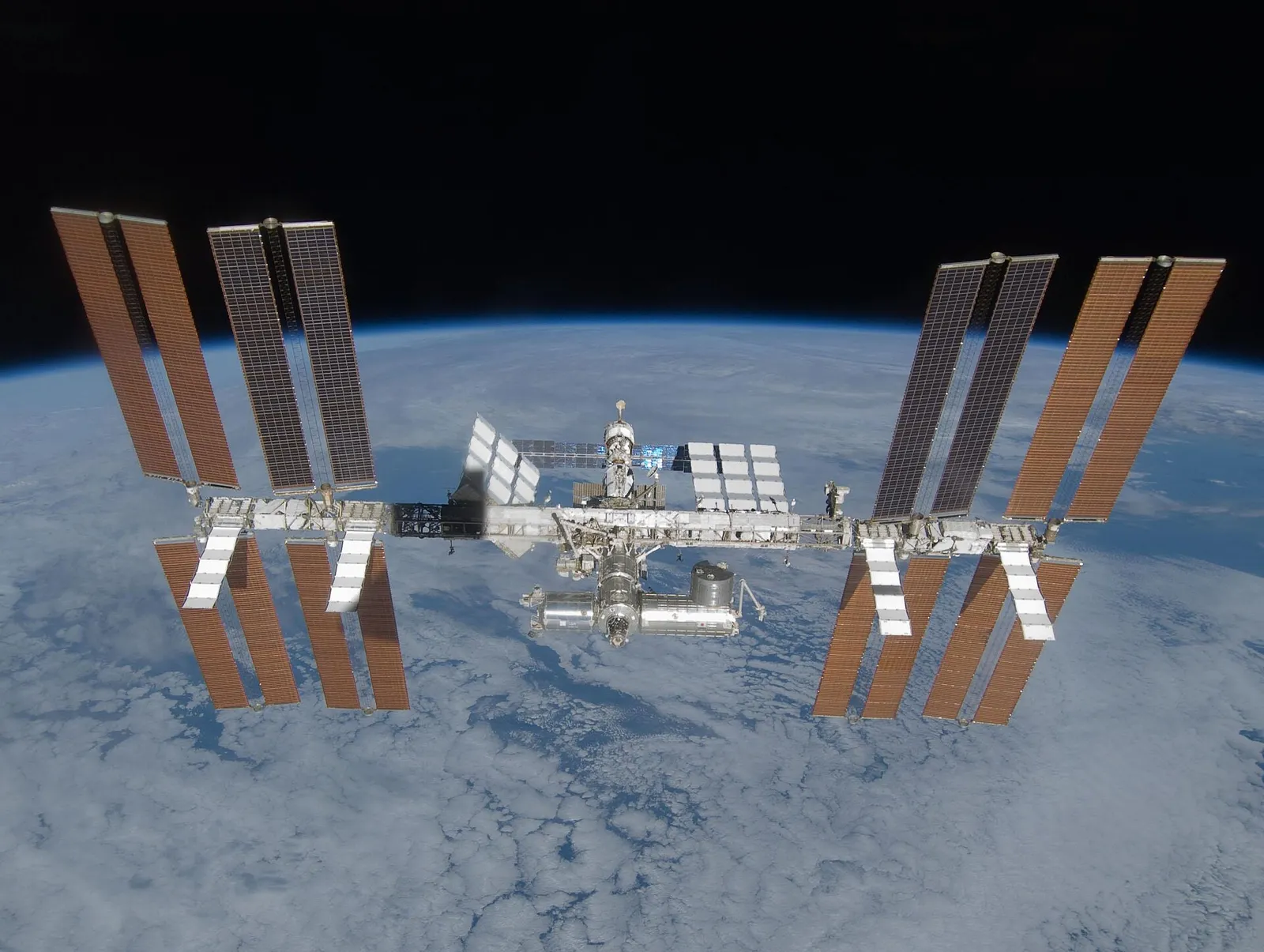
A three-person crew launched toward the International Space Station on Tuesday, lifting off from the Baikonur Cosmodrome in Kazakhstan aboard the Soyuz MS-29 spacecraft.
NASA astronaut Anil Menon and the Roscosmos cosmonauts Pyotr Dubrov and Anna Kikina left the launch pad at 10:47 a.m. EDT, beginning a short journey to the orbiting laboratory. The Soyuz was due to reach the station about three hours later, docking automatically to its Prichal module at 1:56 p.m. EDT after a two-orbit approach.
The crew
For Menon, a physician who was previously the first flight surgeon at SpaceX, the mission is a first trip to space. His two crewmates are experienced spacefarers on their second missions: Dubrov spent nearly a year aboard the station between April 2021 and March 2022, and Kikina flew a roughly five-month mission from October 2022 to March 2023.
The trio are due to spend about eight months in orbit before returning to Earth, joining the crew already living and working aboard the station.
Research on board
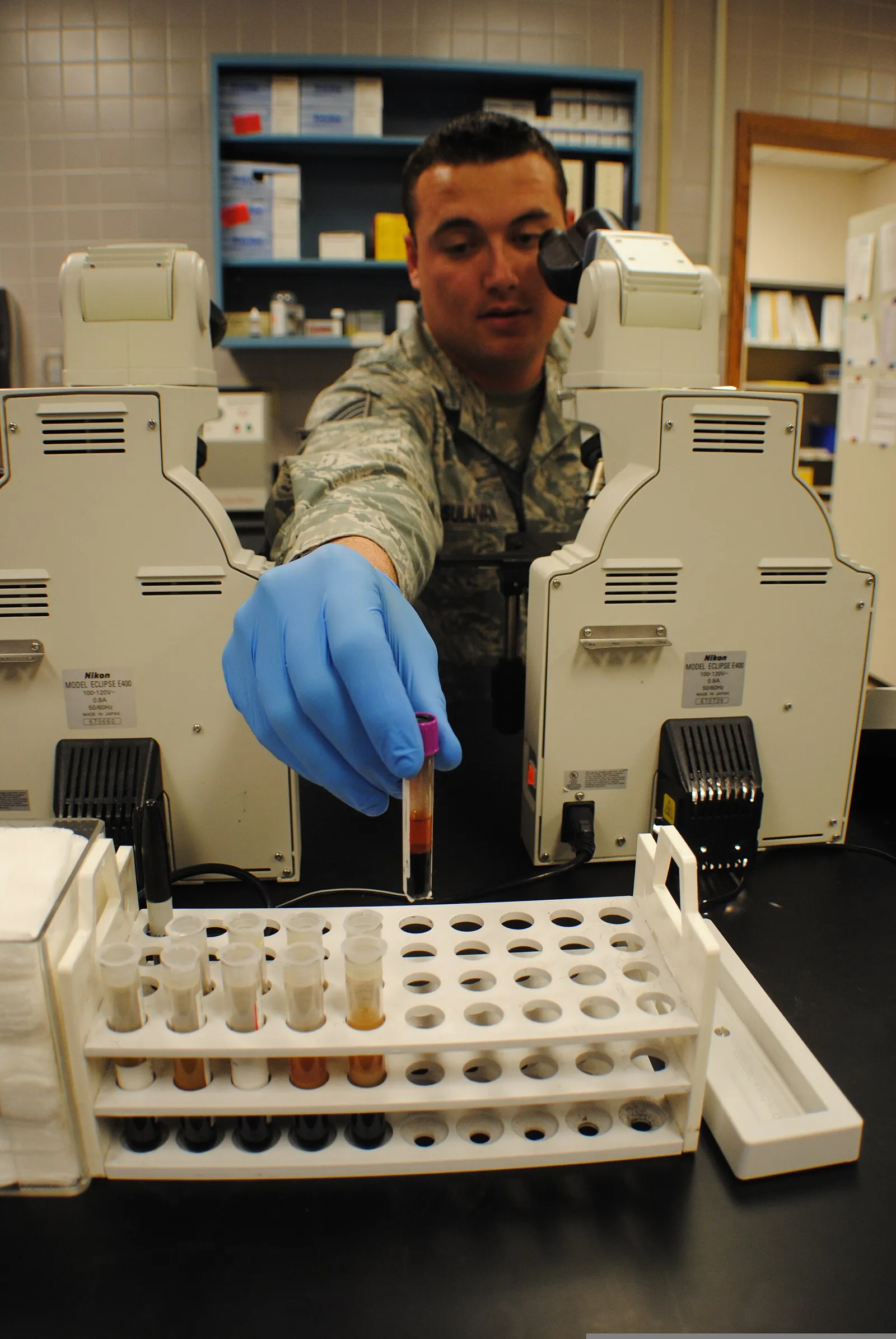
During the flight, Menon is set to take part in a range of experiments, among them work on producing semiconductor crystals in the weightless environment of space, a process scientists hope could point toward new ways of making advanced electronic components. Other planned research includes medical studies using ultrasound and tests of bioprinting in microgravity.
Continued cooperation in orbit
The launch is another instance of the enduring partnership between the United States and Russia on the space station, one of the few areas where cooperation has continued despite tensions between the two countries on Earth. Russian Soyuz vehicles remain a mainstay for ferrying crews to the outpost, which has maintained a continuous human presence in low Earth orbit for more than two decades.