
Consumer prices in the United States rose 3.5% over the 12 months through June, a marked slowdown that reflected tumbling energy costs and came in below what economists had expected.
The Consumer Price Index fell 0.4% from May on a seasonally adjusted basis, the largest one-month decline since April 2020, according to the Bureau of Labor Statistics. Analysts polled before the release had expected the annual rate to come in closer to 3.9%.
Gasoline led the drop
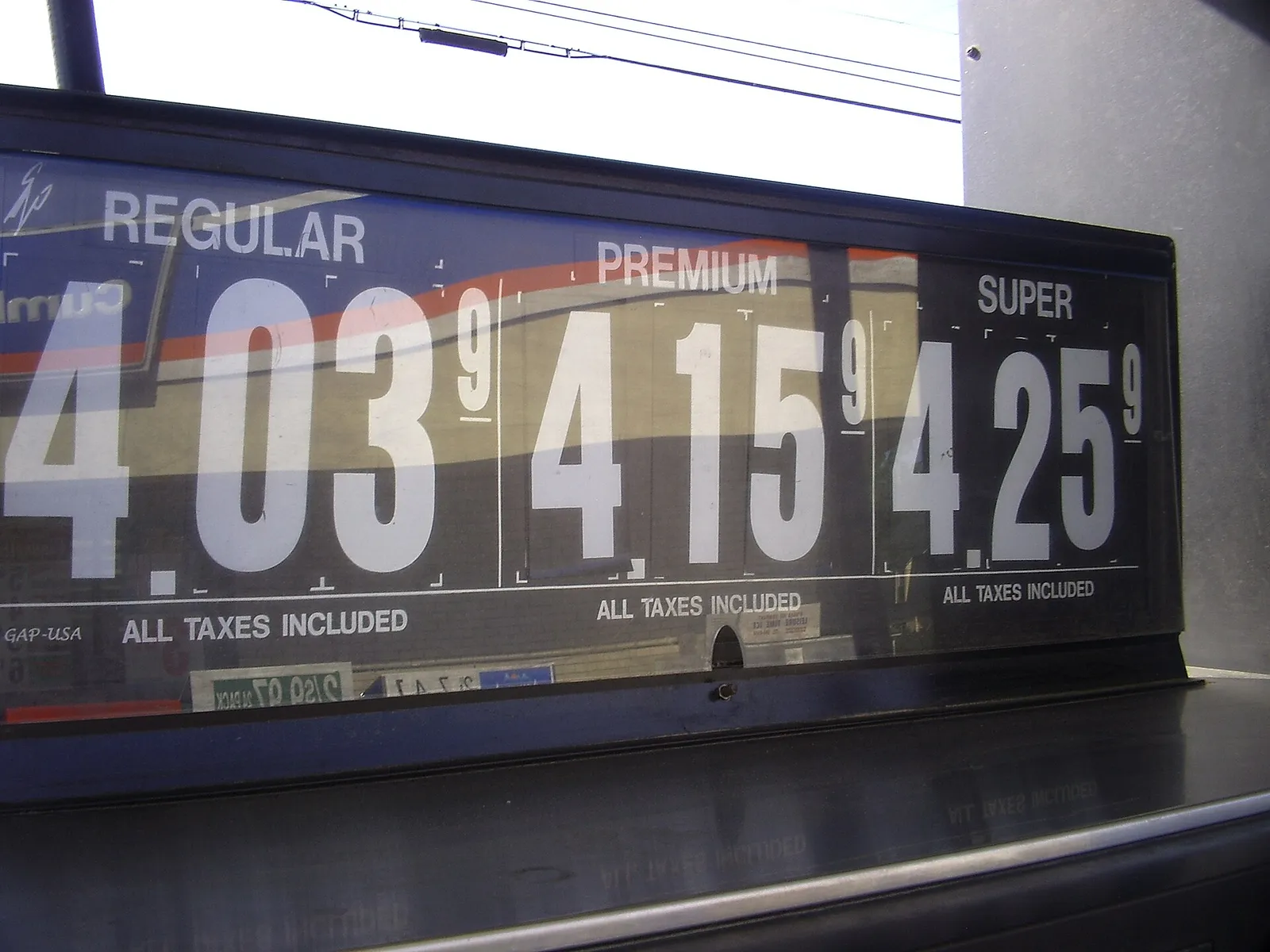
Energy was the driving force. The energy index fell 5.7% in June, with gasoline prices down 9.7% from the previous month. The retreat followed a period of elevated oil prices tied to tension in the Middle East; as those pressures eased, crude prices fell and filtered through to the pump.
Because energy costs swing sharply from month to month, economists caution that a single reading can overstate the underlying trend in either direction. The June figure benefited from a favorable comparison after earlier increases.
Core inflation steadier
Stripping out the volatile food and energy categories, so-called core inflation was more subdued. Core prices were little changed on the month, leaving the annual core rate at about 2.6%, still above the Federal Reserve's 2% goal but closer to it than the headline number has been for much of the past year.
The gap between headline and core readings underlines a familiar dynamic: commodity shocks can push the top-line figure around while underlying price pressures move more slowly. For the Fed, the steadier core trend is likely to matter more than the energy-driven headline in weighing when to adjust interest rates.
What it means
For households, the immediate relief is concentrated at the gas pump, where prices have come down after a costly stretch. Whether the improvement lasts depends heavily on energy markets, which remain sensitive to geopolitical developments.
Policymakers are expected to treat the report as encouraging but not decisive. The Bureau of Labor Statistics figures suggest the recent energy spike did not spread broadly into other prices, giving the Fed room to keep weighing rate cuts without signaling that the fight against inflation is over.