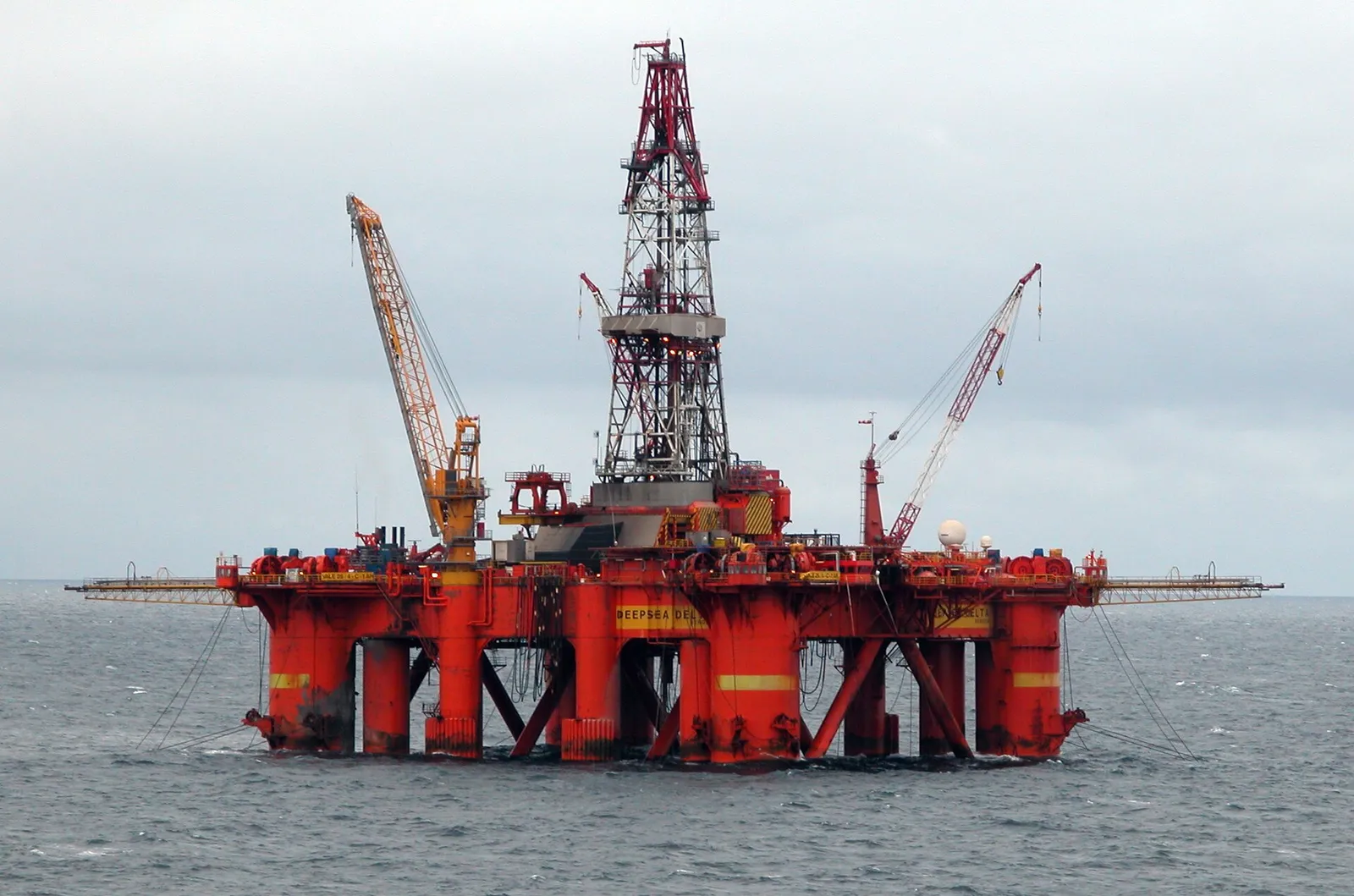
One of the first big tests of Andy Burnham's premiership is arriving from the North Sea. The oil and gas industry is urging his government to permit new drilling in British waters, reopening a long-running argument over whether the UK should extract more of its own fossil fuels or hold to its climate targets, as CNBC reported. It is a decision that pulls the new prime minister between competing pressures within his own party and beyond it.
What the industry wants
The industry's case has been made most forcefully by Offshore Energies UK, the trade body for the sector, which has lobbied MPs to support expanded domestic production. Its central arguments are economic and strategic: that continued investment in the North Sea protects tens of thousands of skilled jobs, generates tax revenue for the Treasury, and reduces Britain's reliance on imported oil and gas at a time of volatile global energy prices. The sector frames the choice as one between a managed use of Britain's own resources and a "cliff edge" that would see production, and jobs, decline sharply while the country buys more fuel from abroad. The GMB union, which represents many energy workers, has echoed the emphasis on protecting employment.
The contested fields
Much of the debate centers on two projects, the Rosebank oil field and the Jackdaw gas field, both west and east of Shetland, as the Institute for Government has explained. Their status has been legally fraught. Consents granted under previous governments were challenged in the courts, and judges found that the approvals had not properly accounted for the emissions that would result from burning the fuel produced, sending the decisions back to be reconsidered. That has left the projects in limbo, and made them a symbol of the wider fight over the North Sea's future.
The case against
Climate campaigners and a number of Labour MPs argue that approving new drilling would be incompatible with Britain's legally binding commitment to reach net zero emissions by 2050. They point out that a field like Rosebank, if developed, would produce oil for decades and generate substantial carbon emissions, and they contend that new UK production does little to lower domestic energy bills because oil and gas are sold on world markets. Environmental groups say the priority should instead be a faster shift to renewable power and support for North Sea workers to move into cleaner industries. Labour's 2024 election platform had pledged not to issue licenses to explore new fields, while honoring existing commitments, a distinction now being tested.
Burnham's dilemma
For Burnham, there is no cost-free option. Backing new drilling would please the industry and some unions and could be cast as a hard-headed choice for energy security and jobs, but it would anger climate-minded MPs and campaigners and strain a manifesto promise. Refusing it would reassure that wing of his party but expose him to warnings about investment, employment in Scotland and north-east England, and import dependence. Both sides invoke serious concerns, energy security and economic transition on one hand, climate stability on the other, and both attribute their case to real evidence.
What to watch
The government has yet to set out a definitive position, and the immediate decisions may turn on the fate of Rosebank and Jackdaw as much as on any sweeping new policy. How Burnham handles them will signal how his government intends to balance climate ambition against economic and security arguments, a balance that will shape not only the North Sea but Britain's wider path on energy. For now, the lobbying continues on both sides, and the prime minister's answer is awaited.