When a heatwave settles over London, the city divides into those who retreat indoors and those who go looking for water. This summer, more and more are choosing the water. As temperatures climbed above 35C this week, in a year that has already brought England its warmest June on record, according to the Met Office, the capital's outdoor swimming spots have filled to bursting, and a pastime once left for dead has rarely looked more alive.
A revival, then a crush
Open-air bathing has deep roots in London, from the centuries-old ponds on Hampstead Heath to the grand municipal lidos built in the last century as democratic pleasures for the masses. Many fell into neglect and closure by the end of the twentieth century. The past decade has reversed that, as a broad enthusiasm for wild and cold-water swimming, prized for the shock of cold, the sense of nature in the city, and a claimed lift to mood and wellbeing, drew a new generation back to the water.
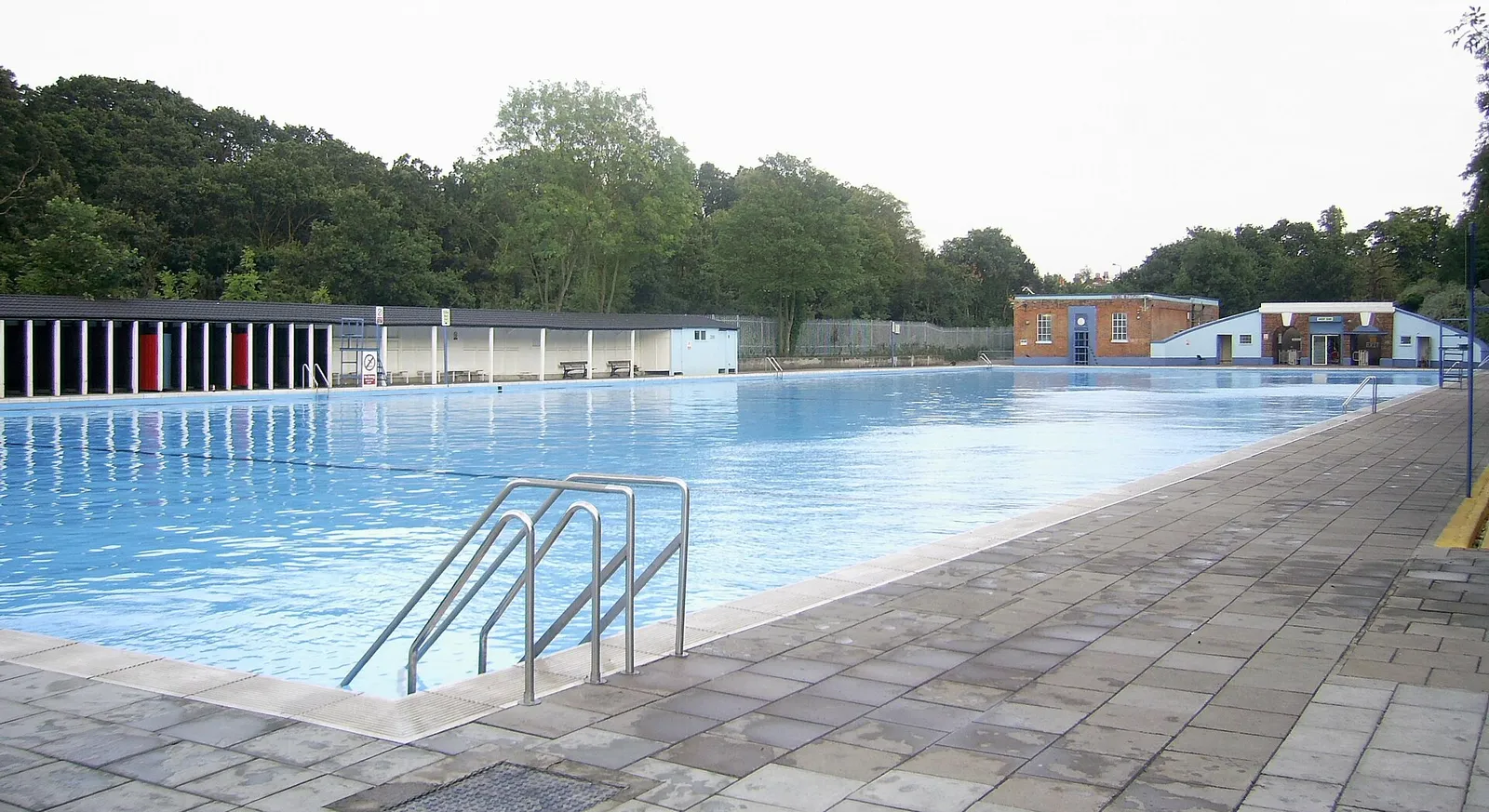
The current heat has turned that steady revival into a scramble. At the Serpentine in Hyde Park, at south London's Tooting Bec Lido, one of the largest open-air pools in the country, and at Hampstead's three bathing ponds, swimmers describe arriving early and still finding queues, with booked sessions gone within hours of release on the hottest days.
When demand outstrips the water
The rush has laid bare a mismatch: the appetite for outdoor swimming has grown faster than the places to do it. The City of London Corporation, which runs Hampstead Heath, now requires bookings for many swimming sessions, and on heat-alert days those slots vanish almost at once. The pressure has spilled into conflict. During a hot spell earlier this summer, groups of people entered a wildlife pond on the Heath that is not a designated swimming spot, prompting warnings from authorities that unauthorized bathing in protected areas can bring fines. "You can never book the ponds now," one swimmer complained. "They used to be free."
Safe water, and the rest
Officials stress a distinction between supervised and unsupervised swimming. The designated venues, the lifeguarded lidos and the Heath's monitored ponds, are managed and their water quality tested, and are far safer than an impromptu dip in an unknown river or reservoir. Even in summer, open water can be dangerously cold beneath the surface, and cold-water shock is a real risk; hidden currents, weeds and steep banks add to the danger at unofficial spots. The advice from lifesaving bodies is consistent: swim where there is supervision, enter the water gradually, and know your limits.
A sign of the seasons to come
The queues outside the lidos are a small, cheerful symptom of a larger change. As hotter summers become more frequent, the demand for places to cool off will only grow, and London's Victorian and Edwardian swimming infrastructure, much of it lovingly restored but finite, will keep running up against it. For now, the city is rediscovering an old pleasure with real enthusiasm. The open question is whether it can build and manage enough water to meet a warming climate's appetite for it.