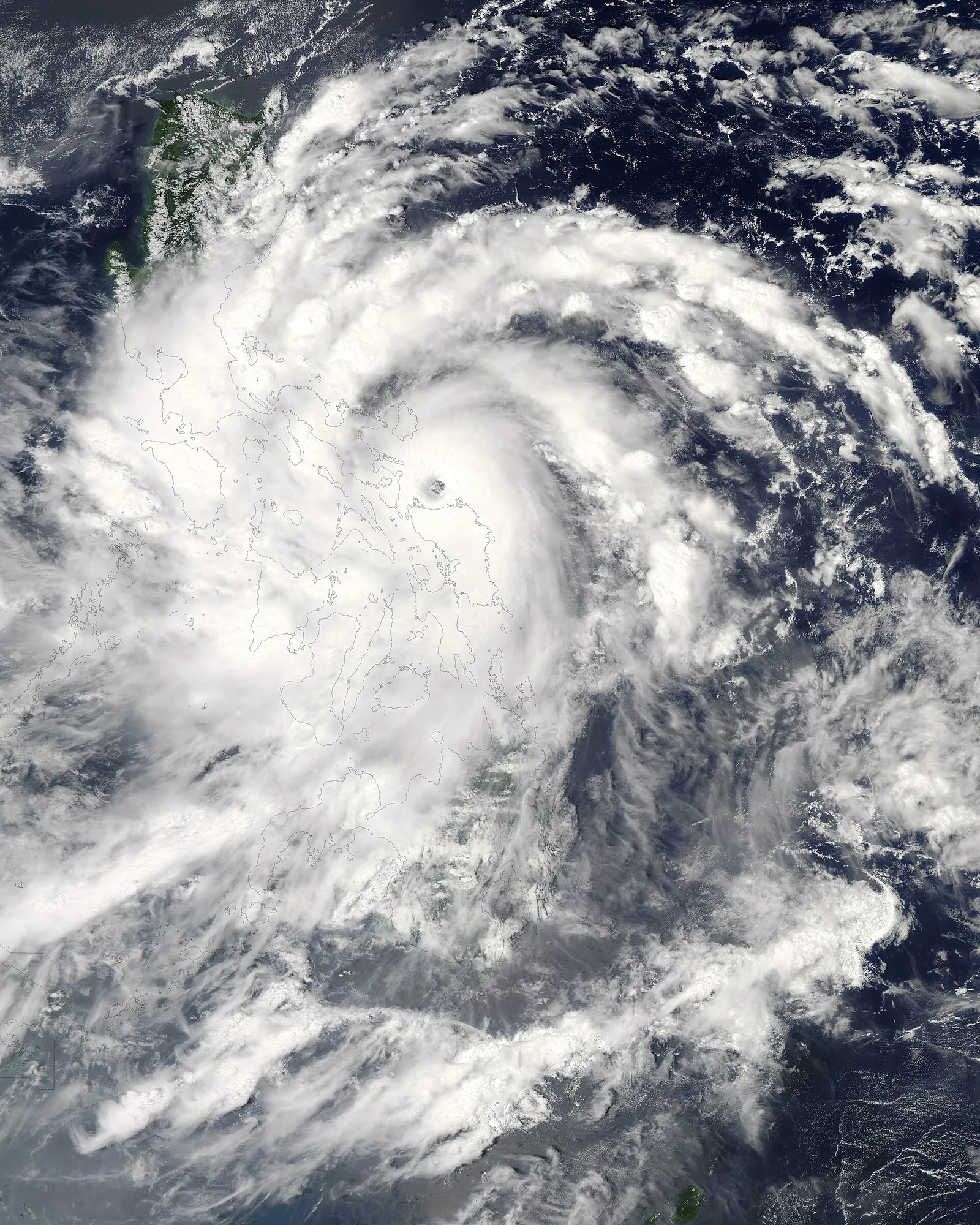
China has evacuated more than a million people from its eastern coast as Typhoon Bavi approaches, in one of the largest such operations of the storm season. The bulk of those moved were in Zhejiang province, with more relocated in neighboring Fujian, as authorities prepared for the system to come ashore, CNBC reported. By one account, from Reuters, the number moved from Zhejiang alone exceeded 1.7 million.
Where and when it will hit
Bavi was forecast to make landfall along the coast between Zhejiang and Fujian, near the Wenzhou area, a region home to millions, before tracking inland and gradually weakening, China Daily reported. Although the storm had eased from its earlier "super typhoon" intensity, forecasters warned that its sheer size meant its impact should not be underestimated, with maximum sustained winds around 144 kilometers per hour (about 90 mph) as it neared the coast.
The threats
The main dangers, as with any large typhoon, are wind, water and the sea. Chinese forecasters warned of very heavy rain across Zhejiang and Fujian, with some areas expected to receive several hundred millimeters, raising the risk of flooding and landslides, and of a storm surge and high waves along the coast. Rain was also forecast to spread well inland, reaching a string of provinces to the north. Authorities activated emergency responses and positioned large numbers of rescue workers in the most exposed areas.
Widespread disruption
The approach of the storm brought much of eastern China's transport network to a halt. Train services in Zhejiang were suspended for several days, flights were canceled at major airports including Hangzhou and Wenzhou, ferries were stopped, and offshore installations and construction were shut down. The disruption extended to Taiwan, which lay in the storm's earlier path and where large numbers of flights were canceled and thousands of people evacuated from mountainous areas. Such precautionary shutdowns are routine in a region well drilled in typhoons, and are credited with keeping casualties down even when damage is heavy.
A storm with a deadly record
Bavi arrives in China having already taken lives elsewhere. Earlier in its track, landslides triggered by its rains killed at least 15 people in the southern Philippines, and the system passed near Taiwan and Japan before turning toward the mainland. That history is part of why Chinese authorities have responded on such a scale, moving people out of harm's way before the storm arrives rather than after. The coming day will show how much damage Bavi does at landfall; for now, the story is one of a vast, precautionary effort to get more than a million people to safety, and of a densely populated, economically vital coast holding its breath.