
Ask the parent of a young child and you will hear the same story: a film is discovered, adored, and then demanded again, and again, until the adults in the house can recite it in their sleep. In recent years, Disney's "Moana" has been a favorite object of this devotion. It can be maddening for grown-ups, but child-development experts have a reassuring message: rewatching a beloved film over and over is a normal, and often beneficial, part of how young children learn.
The comfort of knowing what happens
For a small child, the world is largely unpredictable and out of their control. A familiar film is the opposite: they know exactly what is coming, when the storm will hit and how it will end. That predictability is soothing, and psychologists say it is one of the main reasons children rewatch, as explained in analyses of the behavior. Rather than seeking novelty, a young child often seeks mastery, the pleasure of understanding a story fully, of anticipating each beat, and of feeling, for once, in command of how things will turn out.
Repetition is how children learn
There is a learning dimension too. Repetition is central to how young children acquire language and make sense of cause and effect, as researchers have noted. Each viewing lets a child pick up a little more: a new word, a turn of phrase, a piece of the plot they had missed. A child belting out a song from a film is not just enjoying the tune; they are absorbing vocabulary and rhythm and story structure. In that sense, the fiftieth watch is not wasted time but practice, the same instinct that makes toddlers demand the same bedtime book night after night.
Not all screen time is equal
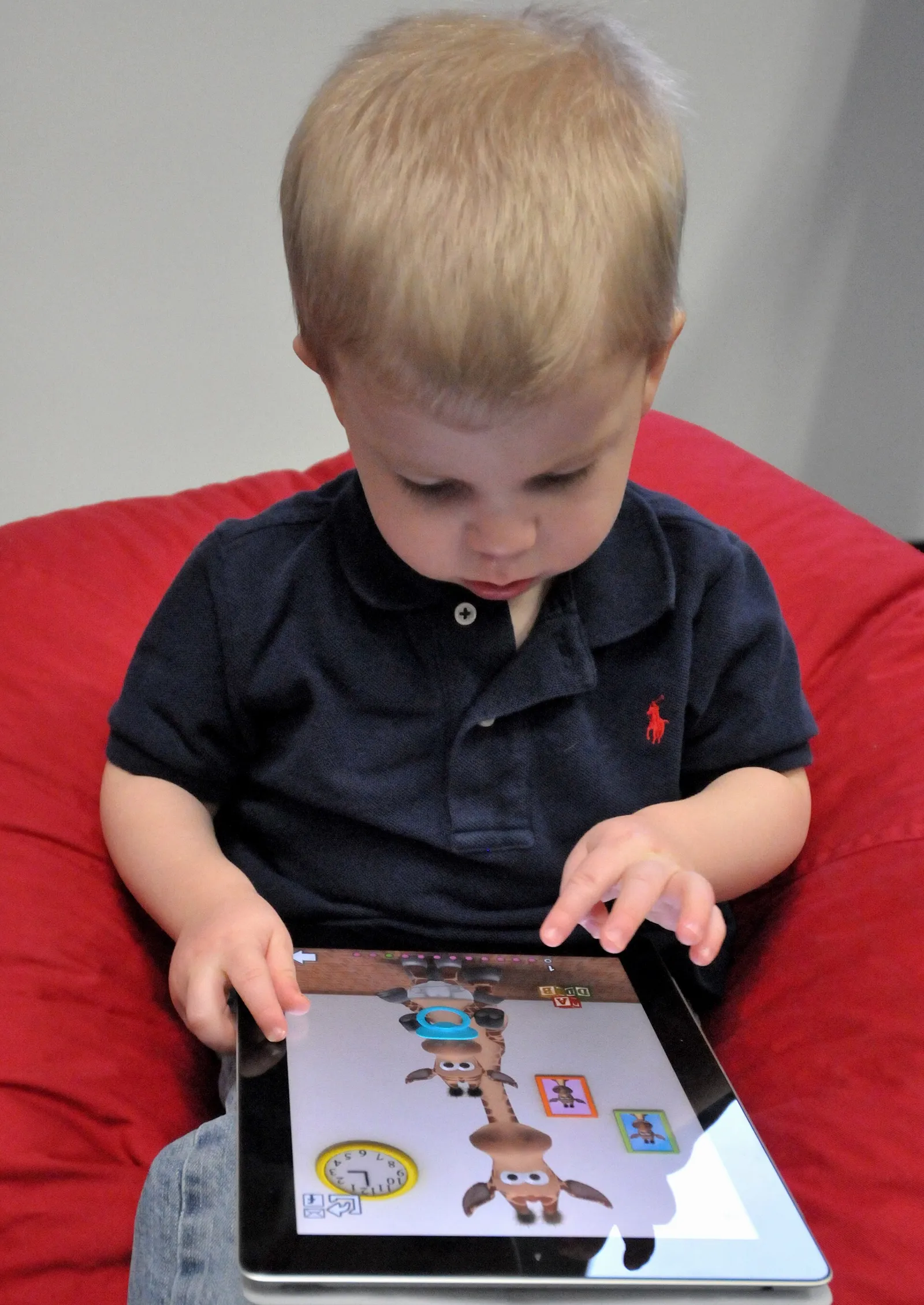
Experts do draw a distinction, and it is a useful one for parents. There is a difference between a rich, narrative film like "Moana," with characters, music and a story to follow, and the endless, low-effort loops of some algorithm-driven content. Rewatching a proper story has more to offer than passively scrolling through disposable clips. The point is not that any screen time is fine, but that engaged, repeated watching of a good film is a very different activity from mindless consumption, and a far more defensible one.
What Moana in particular offers
Why this film, for so many? Part of the answer is simply that it is well made: strong songs, a vivid ocean setting, and a young heroine who has to overcome her own self-doubt, themes of identity and courage that resonate with children working through similar feelings on a smaller scale. Its huge popularity on streaming has put it in front of an enormous audience of young viewers, and its qualities have kept them coming back. But the deeper reason is not about the film at all; it is about the child, and a developmental stage in which the same story, told again, is exactly what a young mind wants.
The takeaway for parents
None of this means screens should fill a child's day; the usual advice about balance, outdoor play and time together still holds. But the specific worry, that a child watching "Moana" for the hundredth time is doing something harmful, is largely misplaced. The better response, experts suggest, is to lean into it a little: watch along sometimes, talk about the characters, sing the songs. The repetition is not the enemy. It is, for a young child, one of the ways the world slowly becomes a place they understand.