Motherhood, in the stories most cultures tell about it, is warm, fulfilling and beyond question a blessing. A new Indian stage production sets out to complicate that picture. "Belly of the Beast," created by the actor Kalki Koechlin with the theatre director Sheena Khalid, dwells on the parts of the experience that are rarely spoken about aloud: the grief for a former self, the crushing tiredness, and the ambivalence that can sit alongside love.
From book to stage
The play grows out of Koechlin's 2021 book "The Elephant in the Womb," a candid account of pregnancy, birth and early motherhood that she wrote in the months after having her own child, the BBC reported. Adapting it for the stage, Koechlin and Khalid tell the interwoven stories of several women at different points on the journey, from pregnancy and labor to the disorienting early years of raising a child. As their experiences intensify, the characters shift into mythical, creaturely forms, a device that lets the production render inner turmoil in visual terms.
Craft and staging
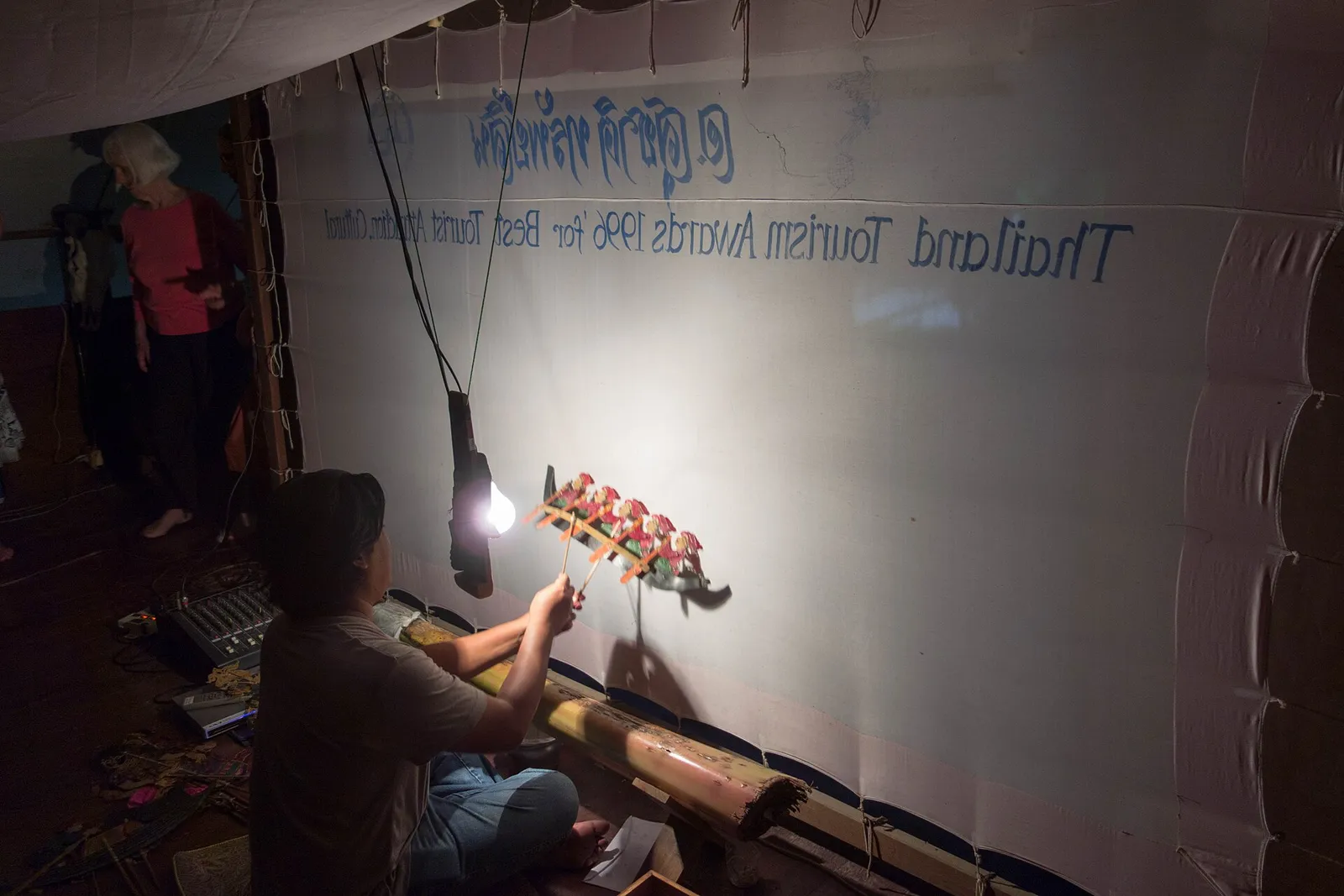
Rather than a straightforward retelling, "Belly of the Beast" leans on the graphic, illustrated texture of the original book, using shadow puppetry and projected imagery to bring it to life, BroadwayWorld reported. The result is a hybrid of theater and image, in which the strangeness of a changing body and a changing life is externalized on stage. The production premiered at the Kamani Auditorium in Delhi in late June and travels to the National Centre for the Performing Arts in Mumbai in mid-July.
What it dares to name
The play does not confine itself to the tender moments. It stages miscarriage, abortion and postpartum depression, the physical estrangement of pregnancy, and the mental load that so often falls, unremarked, on mothers. One thread it returns to is the way a mother's labor can vanish from view even within a household: the small, telling gap between a partner who has a day's worth of stories to tell and a mother whose day has been consumed by care she is not expected to describe. Koechlin has been open that her aim is not to darken motherhood but to widen the range of feelings women are permitted to voice about it, including the difficult ones.
A conversation beyond the stage
"Belly of the Beast" arrives amid a slow, uneven shift in how motherhood, identity and women's autonomy are discussed in India, and well beyond it. The pressure to perform contented, all-capable motherhood, while structural support remains thin, is not unique to any one country. What the production offers is less an argument than a permission: to acknowledge that honoring motherhood need not mean pretending it is only ever beautiful, and that mothers are allowed to be tired, changed and complicated. In staging that openly, it makes room for a conversation many have had privately, and few have seen performed.