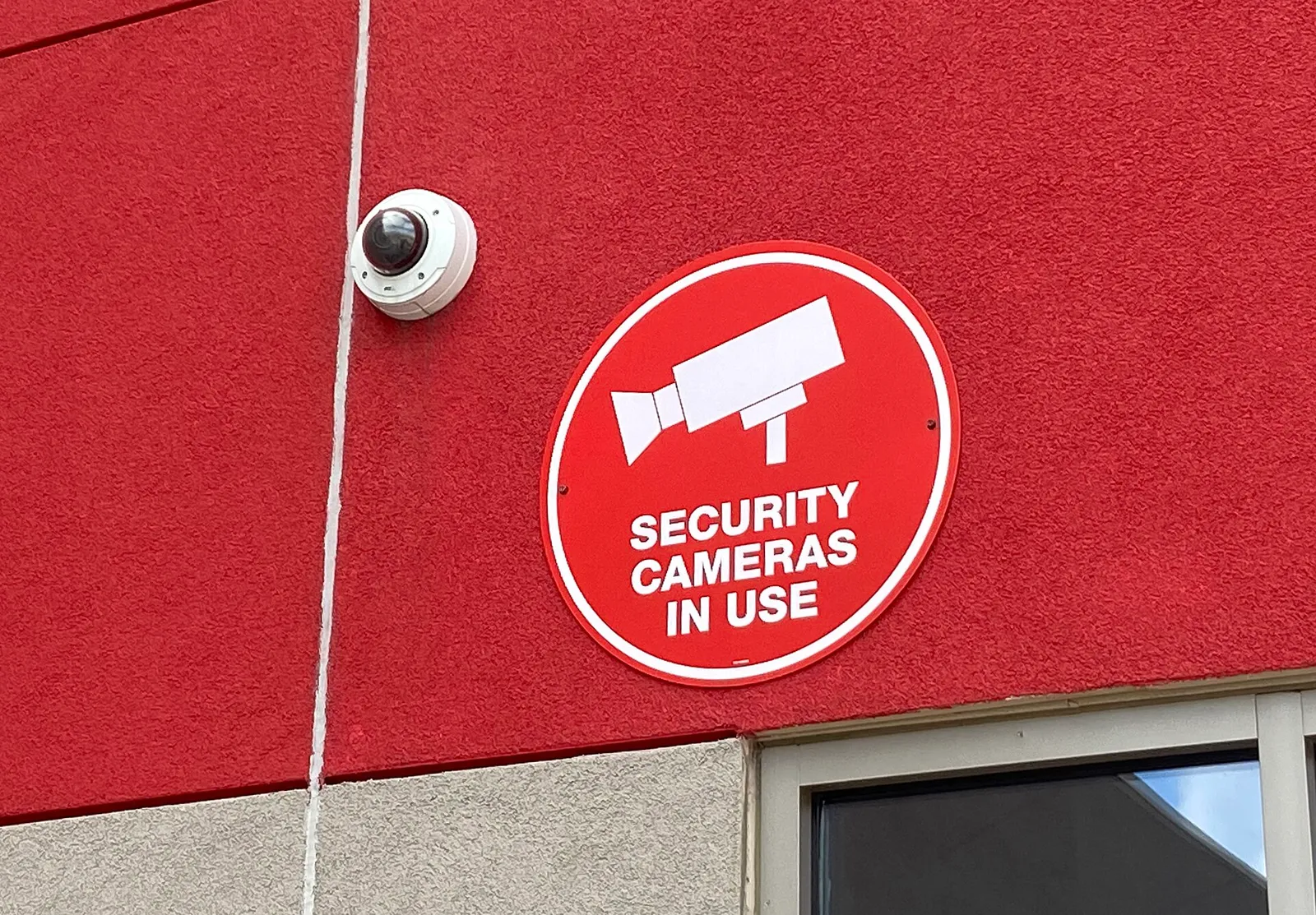
Cameras that scan the faces of shoppers as they walk in, and check them against a private database of "subjects of interest," are spreading through British high streets, and the expansion is drawing sharp warnings from privacy campaigners. The supermarket chain Sainsbury's is growing its use of the technology, supplied by the firm Facewatch, and Facewatch has said it plans a system that can alert police within seconds when a flagged person enters a store, as reported by the Guardian.
How it works
Facewatch's system compares faces captured on a shop's cameras against a watchlist assembled by retailers themselves. Store staff can take images from CCTV of people they suspect of theft or antisocial behavior and add them to the list, so that if that person enters a participating shop, an alert is sent automatically to staff, The Register reported. Because the watchlist is shared across shops that use the service, being flagged in one store can trigger alerts in others. Sainsbury's has said it plans to extend the technology to as many as 200 stores by the end of 2026, and other retailers, including Budgens, Costcutter, Southern Co-op, Spar, B&M and Sports Direct, are named among Facewatch's customers.
The case for it
Retailers and Facewatch present the technology as a targeted response to a real problem: a sharp rise in shoplifting and in abuse and violence against shop workers, much of it driven by a relatively small number of repeat offenders. The company says its system uses more than one algorithm and human review before any alert is acted on, and points to what it describes as high accuracy. Sainsbury's has said the great majority of people identified by the system did not return to the store, which it presents as evidence that the cameras deter would-be offenders rather than simply catch them.
The case against
Civil-liberties groups see something more troubling. Big Brother Watch has called the rollout one of the largest expansions of facial-recognition surveillance in the country, warning of "very serious consequences" for privacy. Its director, Silkie Carlo, said members of the public were "being put on secret watchlists, without their knowledge and without being shown any evidence, and then electronically blacklisted from their high streets." Campaigners also point to the well-documented tendency of facial-recognition systems to misidentify people, and to perform less accurately for some groups than others, raising the risk that innocent shoppers are wrongly flagged. Facewatch was investigated by the UK's data-protection regulator, the Information Commissioner's Office, which found the firm had breached data-protection law, though it allowed the company to continue operating under conditions.
An unsettled question
The dispute reflects a broader gap between fast-moving technology and slower-moving rules. Oversight of facial recognition in Britain is spread across several bodies, and campaigners argue no clear, dedicated legal framework governs its use by private companies in shops. Supporters counter that retailers are entitled to protect staff and stock, and that the system is aimed at known offenders, not ordinary customers. What is not in dispute is the direction of travel: the cameras are multiplying, the watchlists are growing, and the debate over how much everyday surveillance is acceptable, and who decides, is only becoming more urgent.