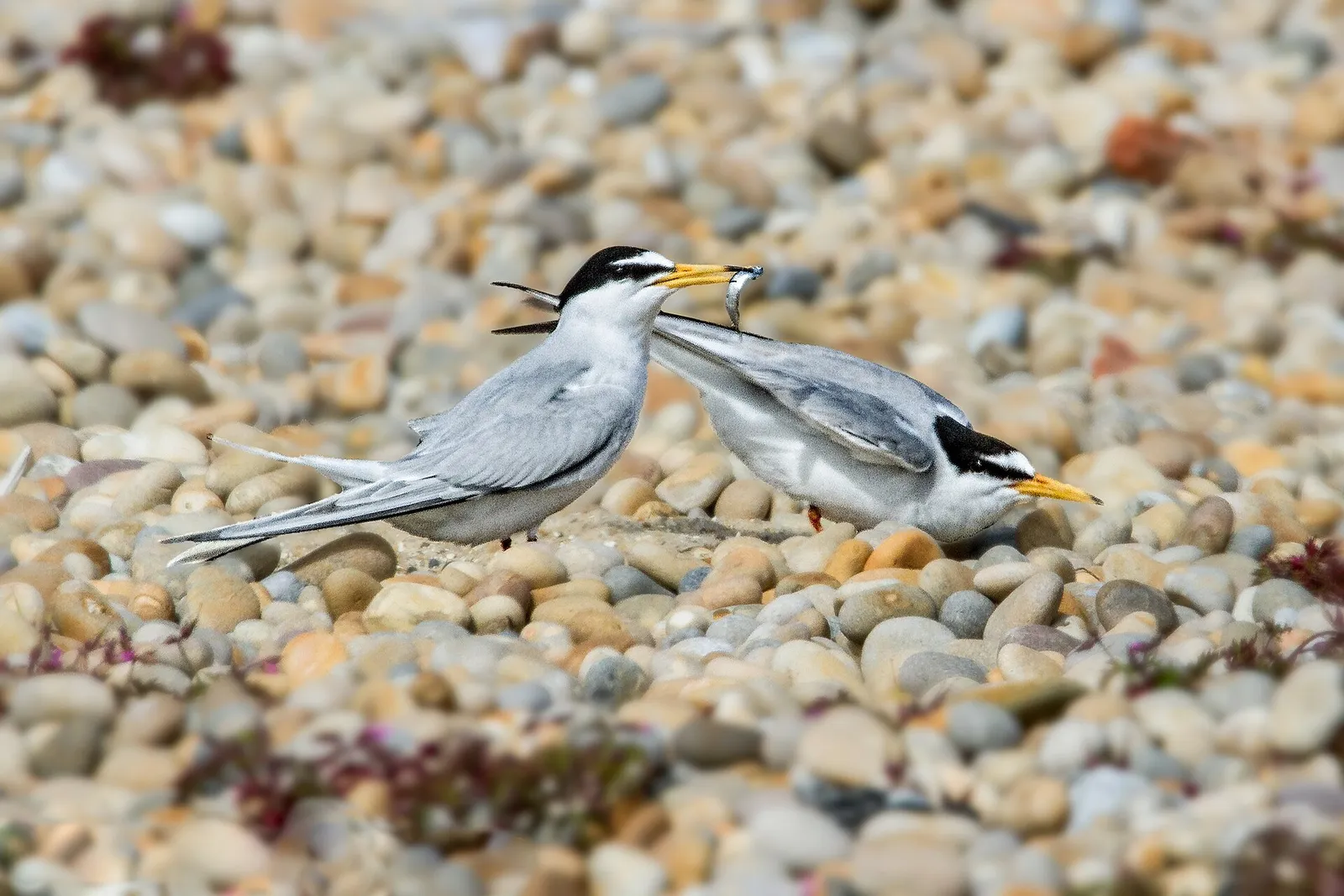
On a stretch of Norfolk or Suffolk beach in high summer, the little tern is easy to miss: a small, pale seabird with a yellow bill, darting over the shallows and nesting in a scrape in the shingle, often just yards from where holidaymakers spread their towels. It is one of Britain's smallest and rarest breeding seabirds, and the fact that it still nests here at all owes a great deal to a conservation effort that has now been running for four decades.
A bird under pressure
Little terns have had a hard time of it. They nest on open beaches, right at the tideline, which makes them acutely vulnerable to the very things that define a British summer coast: people, dogs, high tides and predators. A single walker straying into a colony, or a fox visiting at night, can undo a season's breeding. Over the long term the pressures have mounted, and the RSPB, which runs the project, reports that the UK breeding population has fallen substantially over the past 40 years. Coastal development and the changing climate, which affects both nesting beaches and the supply of the small fish the birds feed their chicks, have added to the strain.
Forty years of watching over them
The response, begun in the mid-1980s, has been patient and hands-on. Each year, as the terns arrive in spring, conservationists and volunteers fence off the colonies and then, in effect, stand guard: wardening the beaches through the breeding season, steering people gently around the nests, and watching for predators until the chicks have fledged in late summer, the project describes. Over the years the toolkit has grown to include measures such as predator-proof fencing, decoys to coax birds toward safer ground, and careful monitoring and ringing to track how the colonies fare. The work spans a network of protected sites along the east coast, and depends heavily on volunteers who give up their summers to sit on windy beaches and keep watch.
Fragile signs of success
The results are encouraging but far from a clean victory. At the protected sites, the RSPB reports, productivity has improved and numbers have steadied compared with the long decline, with the project's larger colonies fledging good numbers of chicks in recent seasons. Yet the population remains small and easily knocked back; a run of bad weather, high tides or predators in a single year can wipe out much of a colony's output. The clear lesson of four decades is that the gains are real but conditional: they hold only as long as the wardening continues.
Why it matters
There is something telling in the little tern's story. It is not a creature of remote wilderness but of the ordinary, busy British beach, and its survival has depended not on leaving nature alone but on people actively making room for it, summer after summer. That makes the project as much a study in persistence as in ecology. The bird endures because, for forty years, enough people decided it was worth the effort of a fence, a sign and a long shift in the wind, and were willing to come back and do it again the next year.