An Ebola outbreak in the east of the Democratic Republic of Congo has grown into one of the deadliest on record, with more than 500 people killed among over 1,500 cases, according to health authorities and the World Health Organization. The epidemic, which began in the spring, has spread faster than responders can contain it.
The scale
As of early July, Congolese health officials and the WHO put the toll above 500 deaths and the case count past 1,500, spread across provinces in the country's east, UN News reported. The WHO has described the outbreak as among the worst starts to an Ebola epidemic it has recorded, and its officials have said they cannot yet declare it stabilizing, Al Jazeera reported. Figures have been rising and vary between updates, so exact numbers should be read as a snapshot rather than a final count.
A harder strain
This outbreak is caused by the Bundibugyo virus, one of the species within the Ebola family, according to the WHO. That matters because the two Ebola vaccines that have been used to help contain recent outbreaks were developed against a different species, the Zaire strain, and are not established as effective against Bundibugyo. There is likewise no licensed treatment specific to it, and health teams have been relying on supportive care while trials of experimental therapies get under way. That gap removes some of the tools that helped bring earlier outbreaks under control.
A response under strain
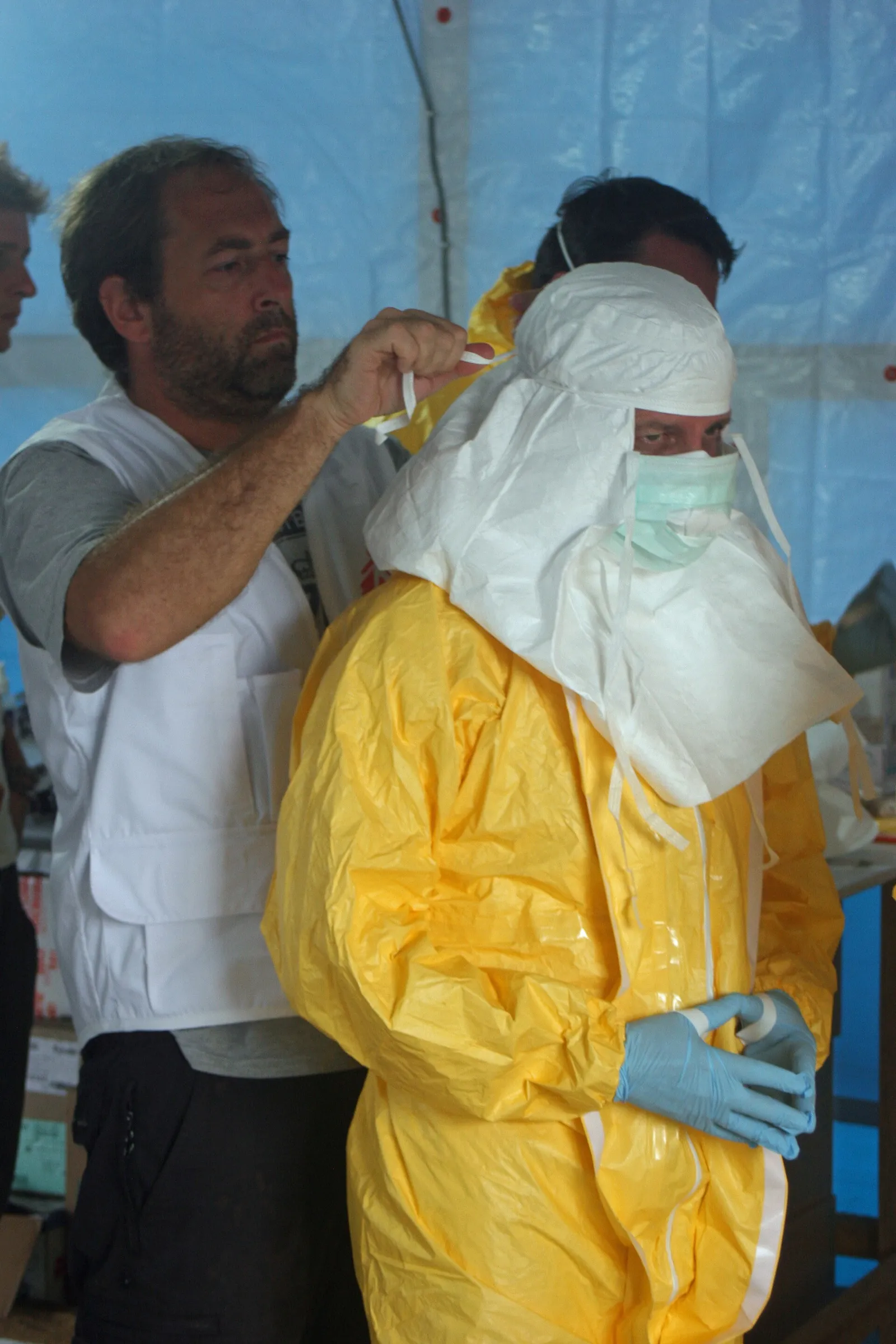
Compounding the crisis, many frontline health workers say they have gone unpaid for weeks and lack basic protective gear, and some have threatened to strike or stopped working to press for wages, UN News reported. Health workers themselves are among the infected, a recurring danger in Ebola outbreaks, where caring for the sick without adequate protection can spread the virus. The response also faces the wider difficulties of eastern Congo: insecurity, weak transport links, and, in some communities, mistrust of outside health teams.
Why it matters beyond Congo
Ebola outbreaks are dangerous not only for their high fatality rates but for their potential to cross borders, and neighboring Uganda has reported cases linked to the epidemic. Containing it depends on the unglamorous basics: paying and protecting health workers, tracing contacts, safe burials, and winning the trust of frightened communities. For now, the WHO's message is cautionary: the outbreak is still growing, and the window to get ahead of it has not yet closed, but it is narrowing.