President Trump is moving forward with plans to build a large triumphal arch in Washington, framed as a monument for the country's 250th anniversary, a project that has cleared a key design review but drawn organized opposition. The arch, reported to stand around 250 feet tall, would rise near Arlington National Cemetery, across the Potomac from the Lincoln Memorial.
The plan
Trump has spoken enthusiastically about giving the US capital a triumphal arch, noting that other major cities have them, and drawings prepared by an architecture firm show a stone arch topped with a Liberty-style figure, NPR reported. The federal Commission of Fine Arts, which reviews major projects in the capital, approved a revised version of the design this year, clearing a significant regulatory hurdle. Estimates of the cost have varied widely, running from around $100 million upward, and questions about how much would come from public versus private money remain unresolved.
The objections
The project's proposed location, near Arlington and on the axis toward the Lincoln Memorial, has become the focus of opposition. A group of veterans has gone to court to try to stop it, arguing that it would intrude on the symbolic line of sight between the national cemetery and the memorial, NPR reported. At public hearings, some veterans questioned what, and whom, the arch is meant to honor; NPR reported that when a journalist asked Trump who it was for, he answered, "Me." Preservation officials have suggested a different site would be more appropriate.
The wider argument
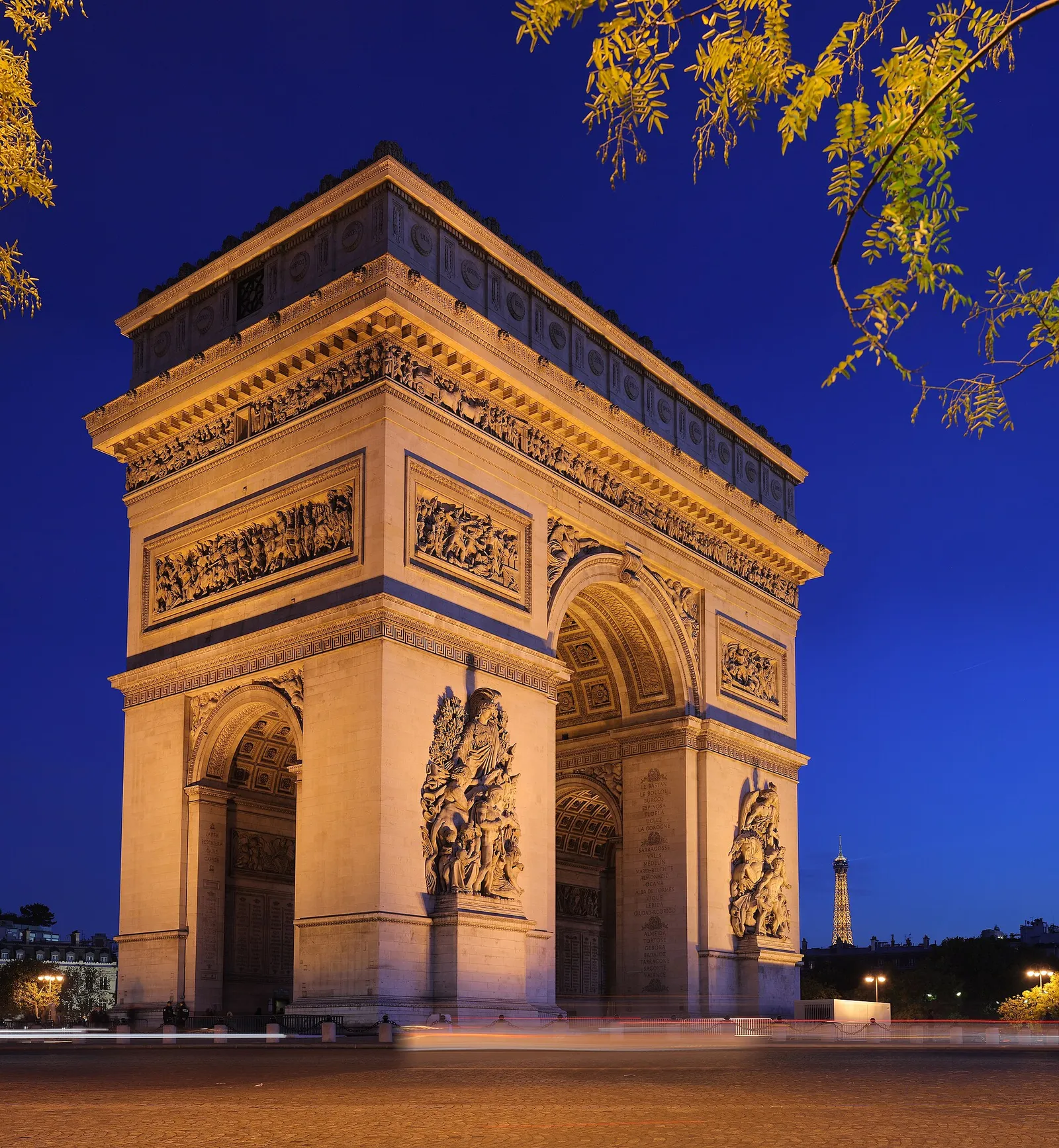
Triumphal arches carry a long history, from ancient Rome to Napoleon's Paris, as symbols of victory and, critics note, of power. Supporters see a fitting way to mark a national milestone and give Washington a grand new landmark. Opponents see the scale, the cost and the setting as the problem, and worry about what a monument on that spot would say. Newsparlor could not independently verify every detail of the design or financing, which remain in flux.
What happens next
With the design commission's approval in hand, backers can press ahead, but the veterans' legal challenge and the unsettled questions over site and funding mean the arch is far from a certainty. It has become, in miniature, an argument about how the country chooses to represent itself in stone, and who gets to decide. That debate will play out over the months ahead, in court and in the capital's review process.