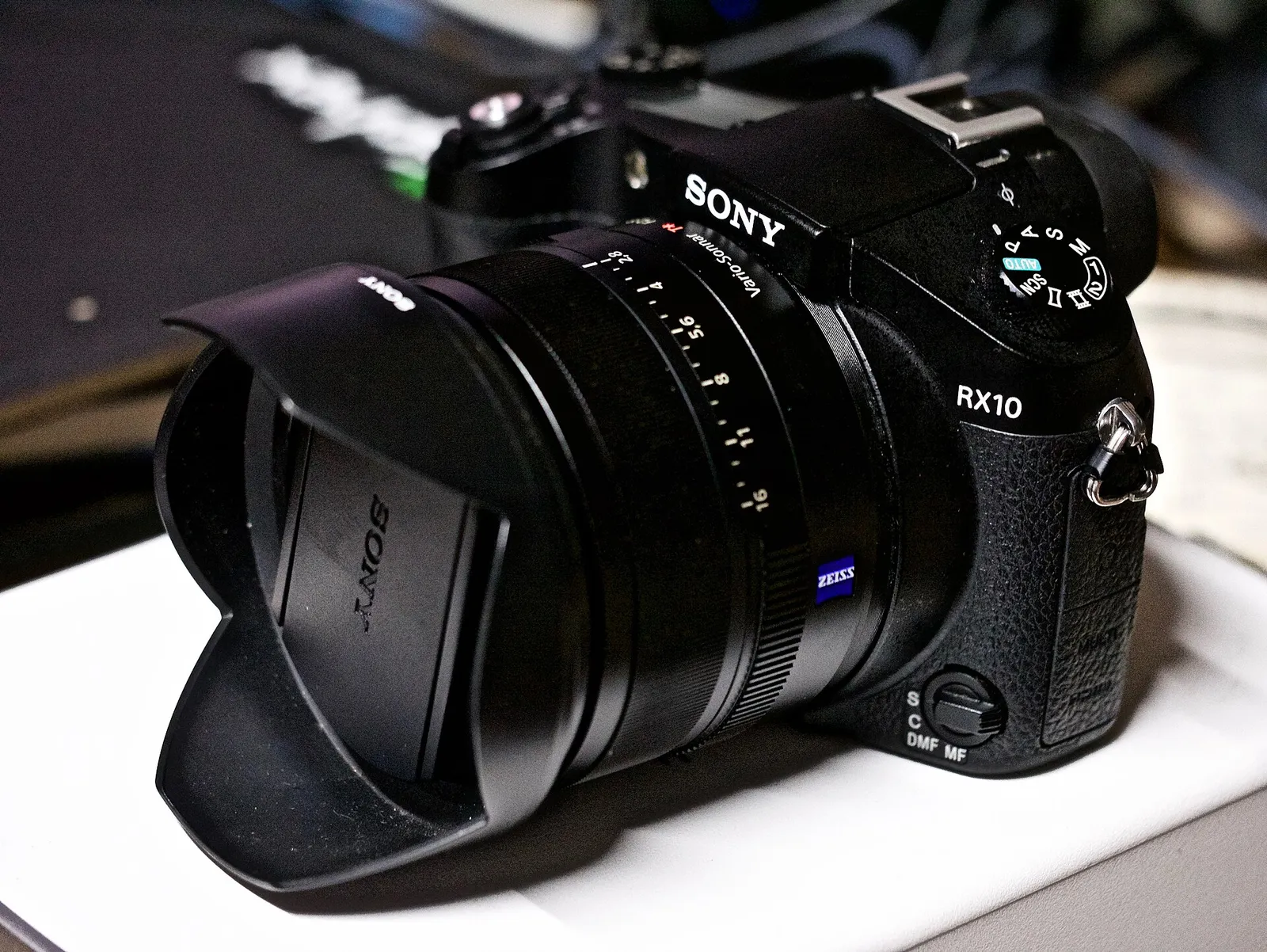
Sony has brought back one of the more distinctive cameras in its range, the RX10, a so-called bridge camera that fixes a long zoom lens to a compact body. The new model, the RX10 V, arrives years after the last version and lands at a price, around $2,300, that makes clear who it is for: enthusiasts who want reach and quality in a single, do-everything package, not casual snappers.
What it is
A bridge camera sits between a phone and a full interchangeable-lens system. Unlike a phone, it offers a real optical zoom and a larger sensor; unlike a mirrorless camera, you never swap lenses. The RX10 V keeps the formula that defined the line: a one-inch stacked sensor of about 20 megapixels paired with a Zeiss-branded 24-600mm lens, a 25x zoom that covers everything from a wide landscape to a distant bird, Engadget reported. The main upgrades are under the hood, with faster processing, smarter autofocus and improved video.
The video push
Video is where Sony has concentrated the update. The RX10 V can shoot 4K at high frame rates for slow motion, and record in the higher-quality formats that video makers look for, along with faster burst shooting for stills and a better viewfinder, PetaPixel reported. The battery, a common weak point on travel cameras, is also improved. The pitch is a single camera that can handle a safari, a sports sideline or a holiday without a bag full of lenses.
Who it is for, and the price
At roughly $2,300, this is not an impulse buy, and Sony does not pretend otherwise. The bridge-camera category has shrunk sharply over the past decade as phone cameras improved, and the RX10 V is unapologetically a niche product. Its appeal is specific: photographers and videographers who value the enormous zoom range and the convenience of never changing lenses, and are willing to pay for it. For that audience, the long reach and the video features may justify the outlay; for everyone else, the phone in their pocket will do.
Why it still exists
That Sony has revived the RX10 at all says something about the shape of the camera market. Mass-market compact cameras were largely wiped out by smartphones, but pockets of demand survive where phones cannot compete, and long optical zoom is one of them. By updating a proven design rather than reinventing it, Sony is betting that a small, loyal group will keep paying a premium for a camera that does one thing, reach, better than the device most people already carry. Whether that group is large enough to sustain the line is the question the RX10 V will help answer.