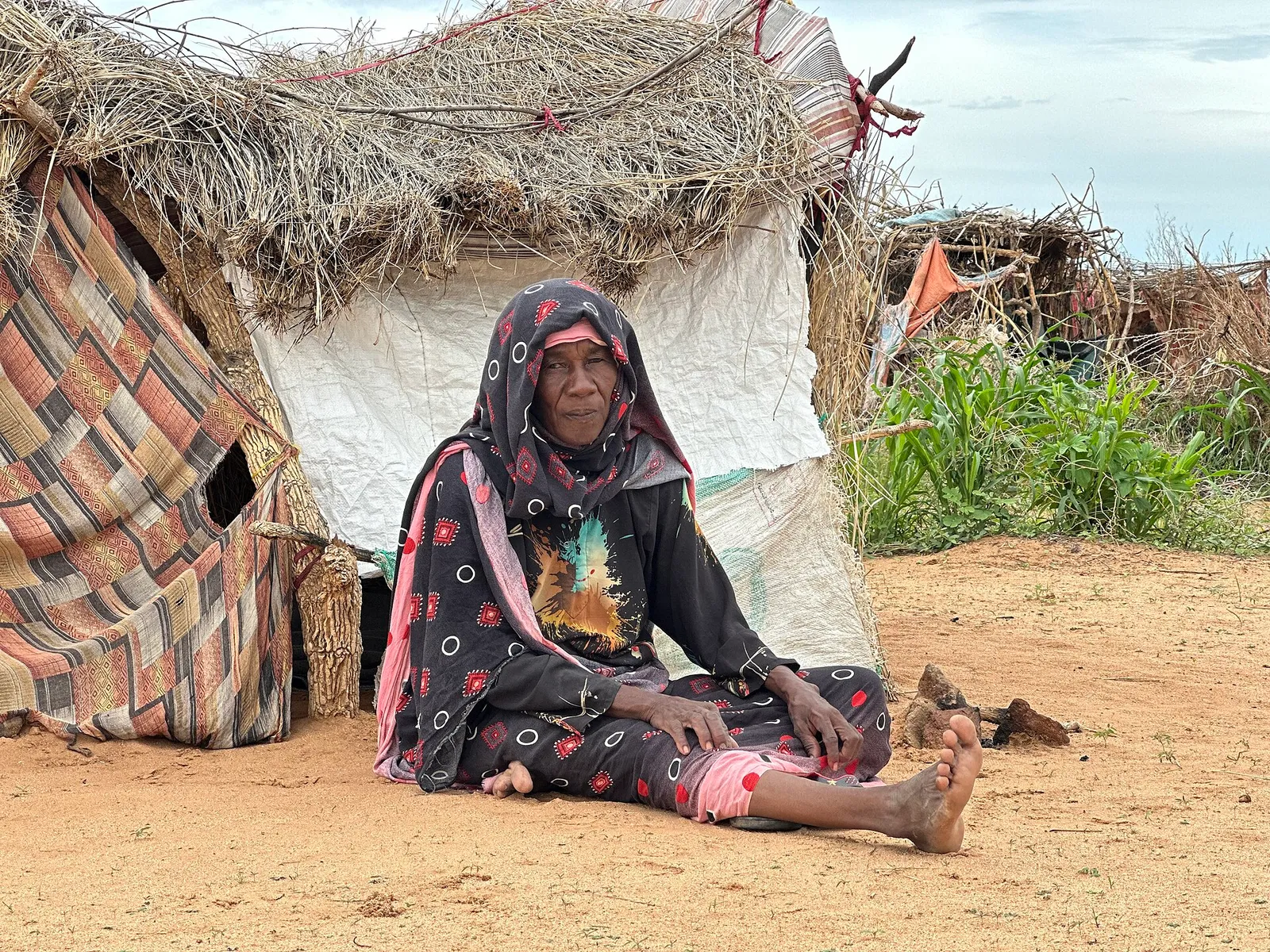
A United Nations fact-finding mission has concluded that Sudan's Rapid Support Forces committed genocide in el-Fasher, the North Darfur city the paramilitary group captured last year, saying it carried out mass killings, widespread sexual violence and deliberate starvation directed at the area's non-Arab population. The RSF has denied the accusations.
What the UN found
The Independent International Fact-Finding Mission for Sudan said the RSF's conduct met the legal threshold for genocide, Al Jazeera reported. Investigators said the group targeted communities including the Zaghawa and Fur through killings, serious physical and mental harm, and the deliberate infliction of conditions designed to destroy them. The mission described a "widespread and systematic" pattern of large-scale killings, mass rape and starvation that, it said, reflected an intended policy rather than isolated acts, the UN said.
El-Fasher's fall
El-Fasher, the last major Darfur city that had remained outside RSF control, fell in late 2025 after a siege of many months that cut residents off from food, water and medical care. Investigators said that after the city was taken, RSF fighters conducted door-to-door operations in which large numbers of people were killed, with UN accounts citing thousands of deaths in the days that followed, according to the UN human rights office. Survivors described rapes carried out near the bodies of the dead, and the mission said sexual violence had been used as a tool to terrorize the targeted population. Newsparlor could not independently verify the individual accounts.
The RSF's denial
The RSF rejected the finding, saying the allegations were fabricated by its rival, the Sudanese Armed Forces, and accusing the army of its own abuses. The paramilitary group did not provide detailed evidence for its counterclaims. The war, which began in April 2023 as a power struggle between the RSF and the army, has drawn accusations of atrocities against both sides, and the UN mission has said both have obstructed the delivery of aid to civilians.
A warning about what comes next
Investigators warned that el-Obeid, another city encircled by the RSF, risks becoming the site of similar atrocities, pointing to the same tactics of siege and attacks on civilian areas that preceded the violence in el-Fasher. "El-Obeid must not become the next crime scene," the mission said, urging international action. The broader war has displaced millions of people and left much of Sudan's population needing humanitarian aid, in what UN agencies have described as one of the world's gravest hunger crises.
Why the finding matters
A formal genocide determination by a UN mechanism carries weight beyond the words: it can shape how governments, courts and international bodies respond, and it raises pressure for accountability. Whether it translates into action, sanctions, prosecutions, or renewed diplomatic efforts to halt the fighting, is far from certain, and Sudan's war has continued through earlier warnings. For now, the mission has put a stark label on what it says happened in el-Fasher, and a plea that it not happen again elsewhere.