Dock workers in Australia are asking for one of the shortest standard working weeks in the country, a 28-hour week with no loss of pay, as their employer prepares to automate its ports. The demand, made by the Maritime Union of Australia in talks with the terminal operator DP World, has put the question of who benefits from automation at the center of a national labor dispute.
The demand
Union members at DP World terminals, who currently work in the region of 32 to 35 hours a week depending on location, want that cut to 28 hours without a pay reduction, SupplyChainBrain reported. The union frames the shorter week as a way to share the productivity gains that automation is expected to deliver, rather than letting the benefits flow only to the company. "There can be no automation or AI without agreement and there can be no loss of jobs and no loss of pay," the union said, according to World Cargo News.
The automation behind it
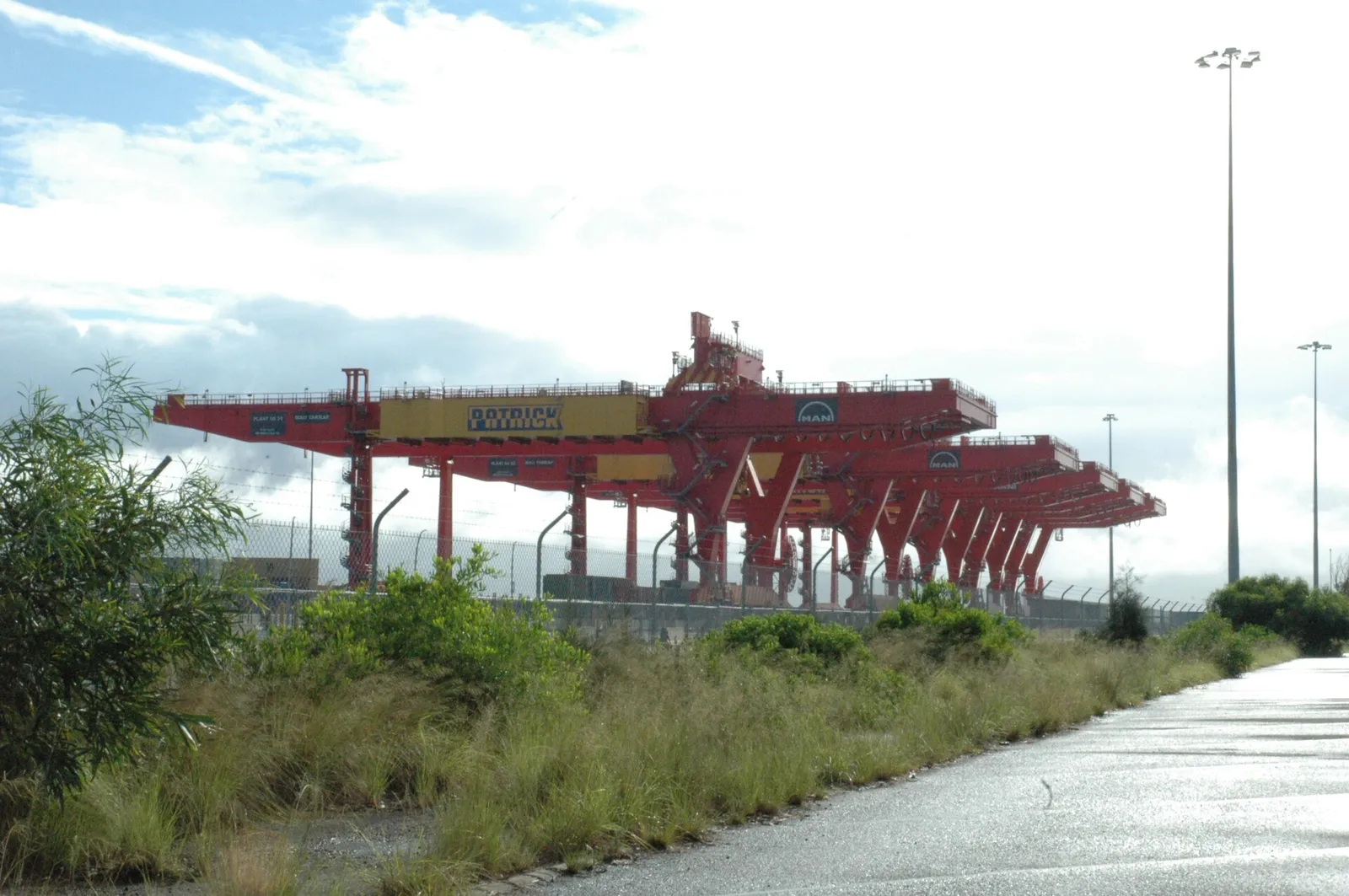
DP World, which handles a large share of Australia's container trade and is described as the last of the country's major stevedores yet to automate, is investing heavily, reported at more than 600 million Australian dollars, to bring in remote-controlled cranes, driverless container vehicles and AI-assisted systems for managing work, SupplyChainBrain reported. The company has said the investment is meant to improve efficiency and keep its terminals competitive. The rollout is expected to begin at one port before extending across the network.
The jobs question
The sharpest disagreement is over jobs. A study commissioned by the union estimated that automation could put a large number of roles at risk, up to around 1,000 positions, a substantial share of the relevant workforce. DP World has disputed those figures. Beyond the headline numbers, the union is also seeking protections around how automated systems are introduced, including the ability to reopen bargaining when new AI tools arrive and to scrutinize systems that allocate work or monitor performance.
Why it matters
The dispute is a local instance of a global argument: how the gains from automation and AI should be divided between companies and workers, and who absorbs the disruption. Ports are a potent place for that fight, because they are both highly automatable and economically critical, so a stoppage can ripple through supply chains quickly. A separate Australian operator has recently reached a deal with the same union, which the union casts as evidence of its bargaining strength. How the DP World talks resolve, on hours, pay and protections, will be watched as a test case for what "sharing the dividend" of automation looks like in practice.