Air conditioning has long been standard in hot parts of the world, but in countries where summers were historically mild, many homes have never had it. Rising temperatures are changing that calculation. If you are thinking about cooling your home, the choices come down to a few main options, at very different prices.
Portable units: the easy start
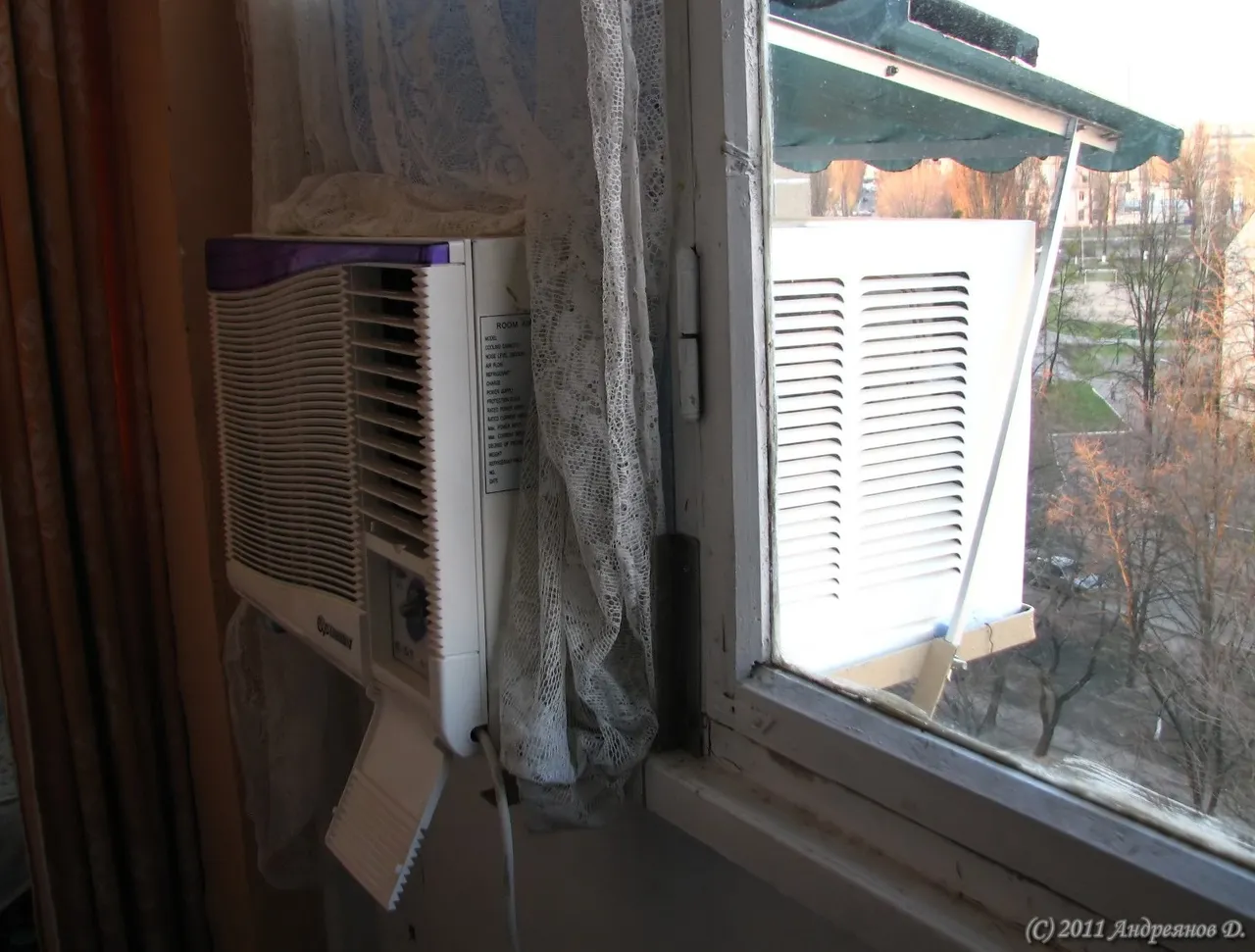
The simplest option is a portable air conditioner, a standalone box on wheels that vents warm air out of a window through a hose. Consumer group Which? puts these roughly in the low hundreds of pounds for basic models up to around £700 or more for better ones, with running costs of a few tens of pence an hour, according to Which?. They need no installation and can be packed away in winter. The trade-offs are that they cool a single room less efficiently, can be noisy, and let some warm air back in around the window hose.
Fixed "split" systems: the standard upgrade
A step up is a "split" system, with a unit mounted on the wall inside and a condenser outside, linked by pipes. These cool more effectively and quietly, but they cost more and must be installed by a qualified engineer because they handle refrigerant. Installation for a single room typically runs into the low thousands of pounds, with figures often quoted from around £1,800 up to £4,500 or so, according to MoneySuperMarket. Efficient modern units cost roughly 10p to 50p an hour to run, depending on the model and how hard they work. Cooling a whole house through ducts costs more again, commonly £5,000 and up, and takes days to fit.
The heat-pump overlap
There is also a growing middle path: air-source heat pumps. These are sold mainly for heating, which they do efficiently, but many models can run in reverse to provide cooling too. For households considering a heat pump for warmth, the cooling function can be a useful bonus, though dedicated air conditioners are generally better at cooling. Rules and any subsidies for heat pumps vary by country, so it is worth checking what local schemes cover.
Cheaper ways to stay cool
Air conditioning is not the only answer, and it is the most expensive one. Fans use a small fraction of the electricity. Closing curtains or blinds against the sun, using reflective window film, and opening windows in the cool of early morning and evening while shutting the house up during the hot part of the day can make a real difference at little or no cost. In humid conditions, a dehumidifier can improve comfort without cooling the air.
The bottom line
Costs range enormously: a portable unit might be a few hundred pounds all in, a fitted split system a few thousand, and whole-home cooling well into five figures, before you count the electricity to run any of it. If you are considering a permanent system, it is worth getting more than one quote from a certified installer and asking for an estimate of seasonal running costs for your specific home, since efficiency depends heavily on the property, its insulation and how much you use the system. The right choice depends less on the technology than on how often you will really need it, and how much you want to spend to be cool when you do.