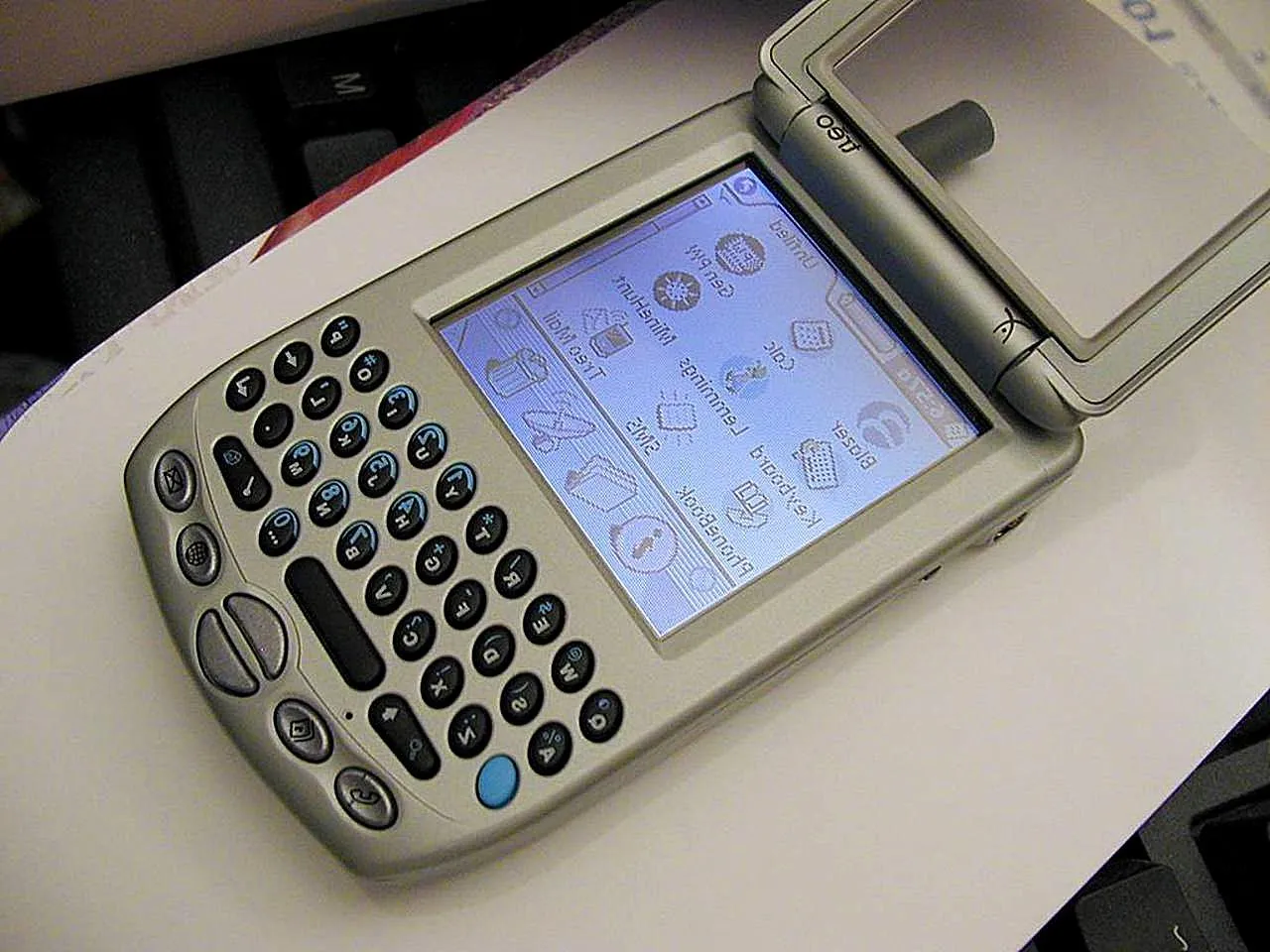
A new device doing the rounds among gadget enthusiasts looks like a refugee from the early 2000s, and that is the point. The PocketMage is a small clamshell handheld with an e-paper display and a thumb keyboard, a deliberate throwback to the PDA, the "personal digital assistant" that organized people's lives before the smartphone swallowed the category whole.
What it is
Open the PocketMage and you get a roughly 3-inch e-paper screen above a tiny QWERTY keyboard, with a small secondary display for menus, The Verge reported. E-paper, the same low-power, glare-free technology used in e-readers, is easy on the eyes and sips battery, which suits the device's purpose: writing notes, jotting text and reading, without the pull of apps and notifications. It is built around an inexpensive microcontroller and runs open-source software, so the design can be studied and modified.
The pitch, and the price
The PocketMage is being funded through a crowdfunding campaign, with prices starting around $185 for a build-it-yourself kit and a bit more for a pre-assembled unit, Liliputing reported. It is the work of a hobbyist maker, and it wears that origin openly: this is a niche, enthusiast project, not a polished mass-market product. Deliveries, as with most crowdfunded hardware, are planned for well into the future, and the usual cautions apply. Backing a campaign is not the same as buying a finished device from a shop.
Why now
The appeal taps two currents at once. One is nostalgia, for the Palm Pilots and their kin, and for gadgets simple enough that a curious owner can actually understand them. The other is a growing appetite for "distraction-free" devices, tools that do a little and, crucially, do not do everything else. E-readers found a durable niche on that logic; a writing-focused gadget with a keyboard and no feeds tries to extend it. Whether enough people want such a thing to make it more than a curiosity is the open question.
A modest experiment
The PocketMage is unlikely to trouble the phone in anyone's pocket, and it is not trying to. It is a small, hand-made answer to a specific itch: the wish to write or read on a dedicated device that will not ping, buzz or tempt. That it exists at all, and found backers quickly, is a data point about how tired some people have become of screens that never stop asking for attention. For now it remains a project for tinkerers and the distraction-weary, a reminder that not every step forward in gadgets has to add more.