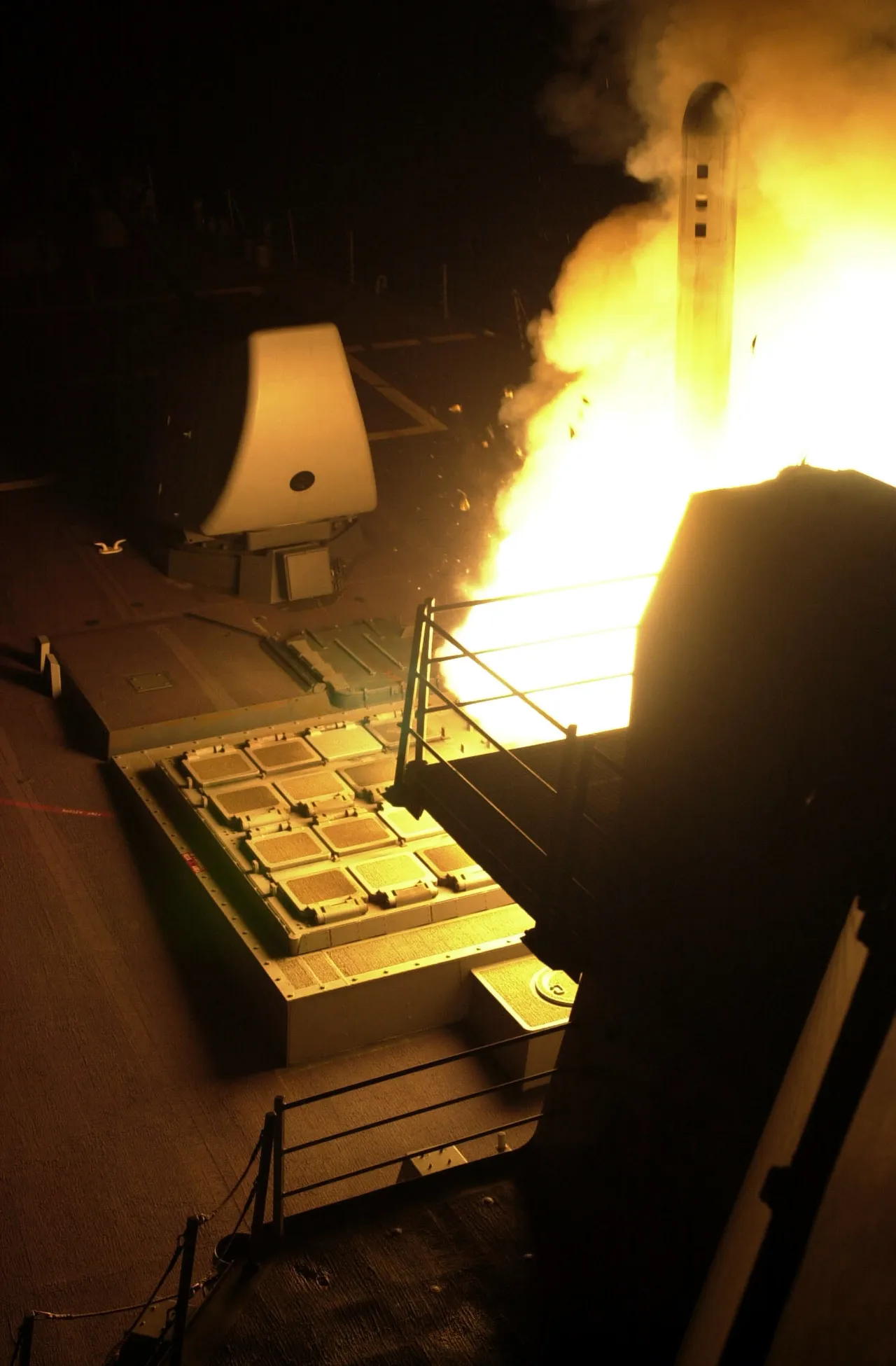
The war between the United States and Iran escalated sharply on Thursday, with American forces carrying out their largest strikes on Iran since a June ceasefire broke down, and Iran launching missiles and drones at US positions in the Gulf. President Trump declared the truce over and raised the prospect of a renewed naval blockade, deepening fears of a wider conflict.
The strikes
US forces hit a large number of targets across Iran's south, including sites near the Strait of Hormuz, in a second consecutive night of bombing, Al Jazeera reported. Among the places struck were a Revolutionary Guard facility at Bushehr, the port of Chabahar and a site near Iranshahr, according to Gulf News. Reports put the number of targets at around 90, a step up from earlier waves. Iranian accounts described power cuts and damage to port and civilian infrastructure in the south. Newsparlor could not independently confirm the full scope of the strikes.
The casualties, so far
Al Jazeera reported that the US strikes had killed 14 people and wounded 78 over two days, while cautioning that the figures were provisional as damage was still being assessed. Casualty counts in the early stages of such operations are often incomplete and can change. Newsparlor has not independently verified the numbers, which come from the reporting cited above.
Iran's response
Iran retaliated with missile and drone attacks aimed at US bases in the Gulf, setting off air-raid sirens and interceptions by air-defense systems in Bahrain and Kuwait, with Iran also claiming strikes reaching Qatar. Gulf states are home to major US military installations, and the attacks widened the confrontation beyond Iranian and US territory into the wealthy, normally stable states of the Arabian Peninsula. The extent of any damage from Iran's strikes was not clear.
Trump declares the truce dead
The escalation followed President Trump's declaration, at the close of the NATO summit in Ankara, that the June understanding with Iran was "over," CNBC reported. He dismissed further negotiations as a "waste of time" and indicated the United States could reimpose a naval blockade on Iran that it had lifted under the truce. Iranian officials have cast the US strikes as violations of the agreement and vowed to keep responding.
Where this leaves things
The two sides have tested the ceasefire repeatedly since June, each accusing the other of breaking it, but the latest exchanges mark the most serious breakdown yet, and they come days after the burial of Iran's late supreme leader, killed at the war's outset, and the installation of his son as leader. With strikes resuming, a blockade threatened and diplomacy stalled, the risk is of a longer and wider war, one that also threatens the flow of oil through the Strait of Hormuz and, with it, the global economy. The situation is fast-moving, and much about the past 48 hours remains unconfirmed.