
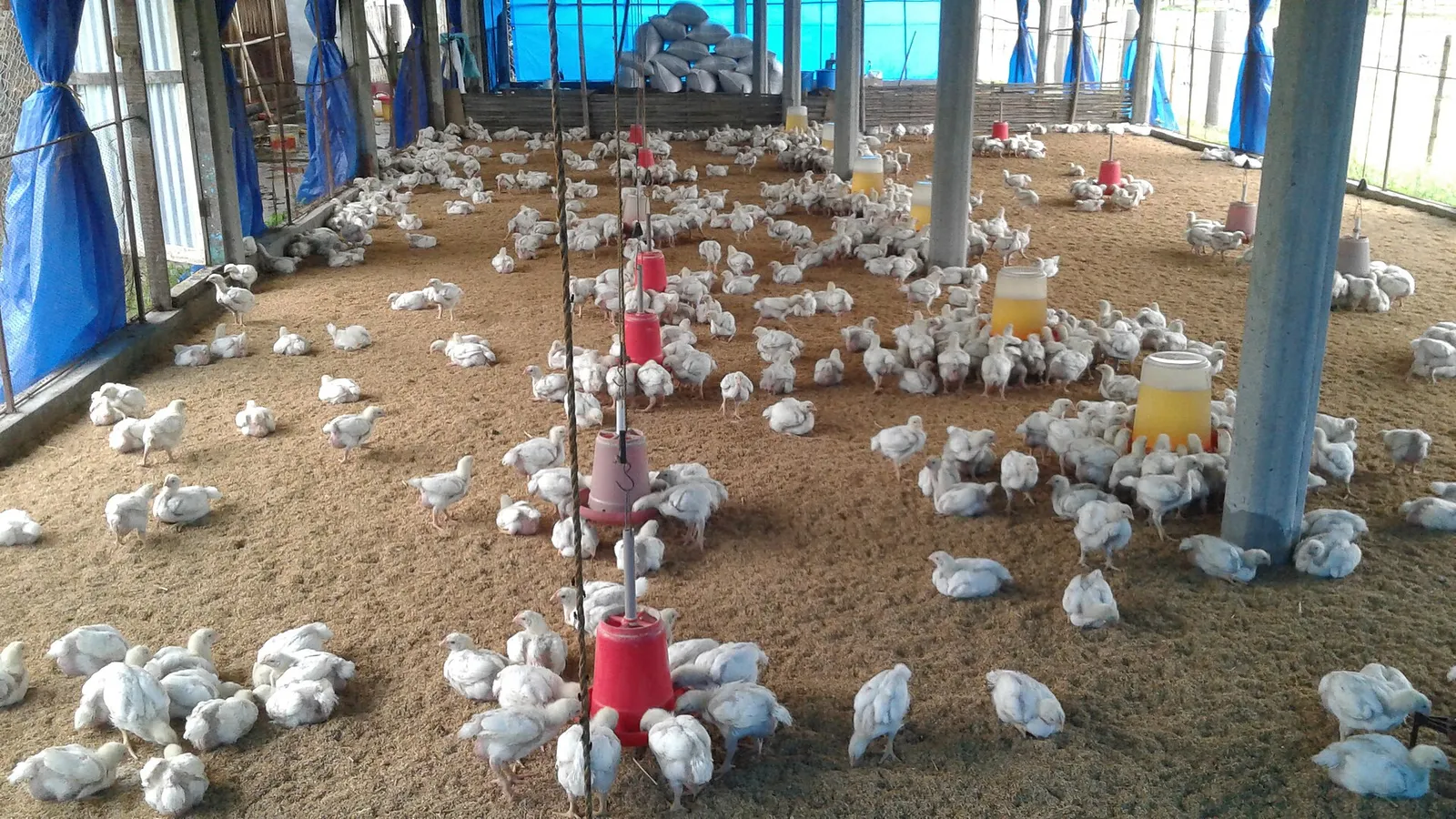
The heatwave that pushed temperatures in France to record highs in late June did not only strain people. It killed farmed chickens in enormous numbers, with the poultry industry estimating that between 2.5 and 3 million birds died as barns turned deadly, Food Ingredients First reported.
Why chickens are so vulnerable
Chickens do not sweat. To cope with heat they pant and slow down, but those defenses fail when temperatures stay very high for hours or days. Birds are comfortable in relatively mild conditions, and as the heat climbs their bodies falter, eating less and eventually succumbing. Fast-growing broilers raised for meat are especially at risk, because their rapid growth leaves little margin when their bodies overheat. In the hardest-hit regions of western France, which account for a large share of the country's flock, some farmers reported losing large parts of their barns in a single day, Mongabay reported.
A system overwhelmed
The scale of the die-off swamped the infrastructure meant to handle it. Rendering plants that collect and process dead animals could not keep pace, and authorities temporarily allowed farmers to bury birds on their own land, a measure of how far the normal system had been overrun. The losses also rippled into the wider livestock sector, with heat stress reported among cattle and pigs elsewhere in the region.
The climate link
Scientists who study the fingerprints of climate change on extreme weather say heatwaves like this one have been made hotter and more likely by a warming atmosphere. Analyses of the late-June heat concluded it was far more probable, and more intense, than it would have been in a cooler past, and that such events are becoming more common. That is the harder lesson behind the dead chickens: Europe's farms, barns and supply chains were designed for a climate that is slipping away, and adapting them, with better ventilation, cooling and water, and warning systems, will take money and time that the changing weather is not waiting to give.