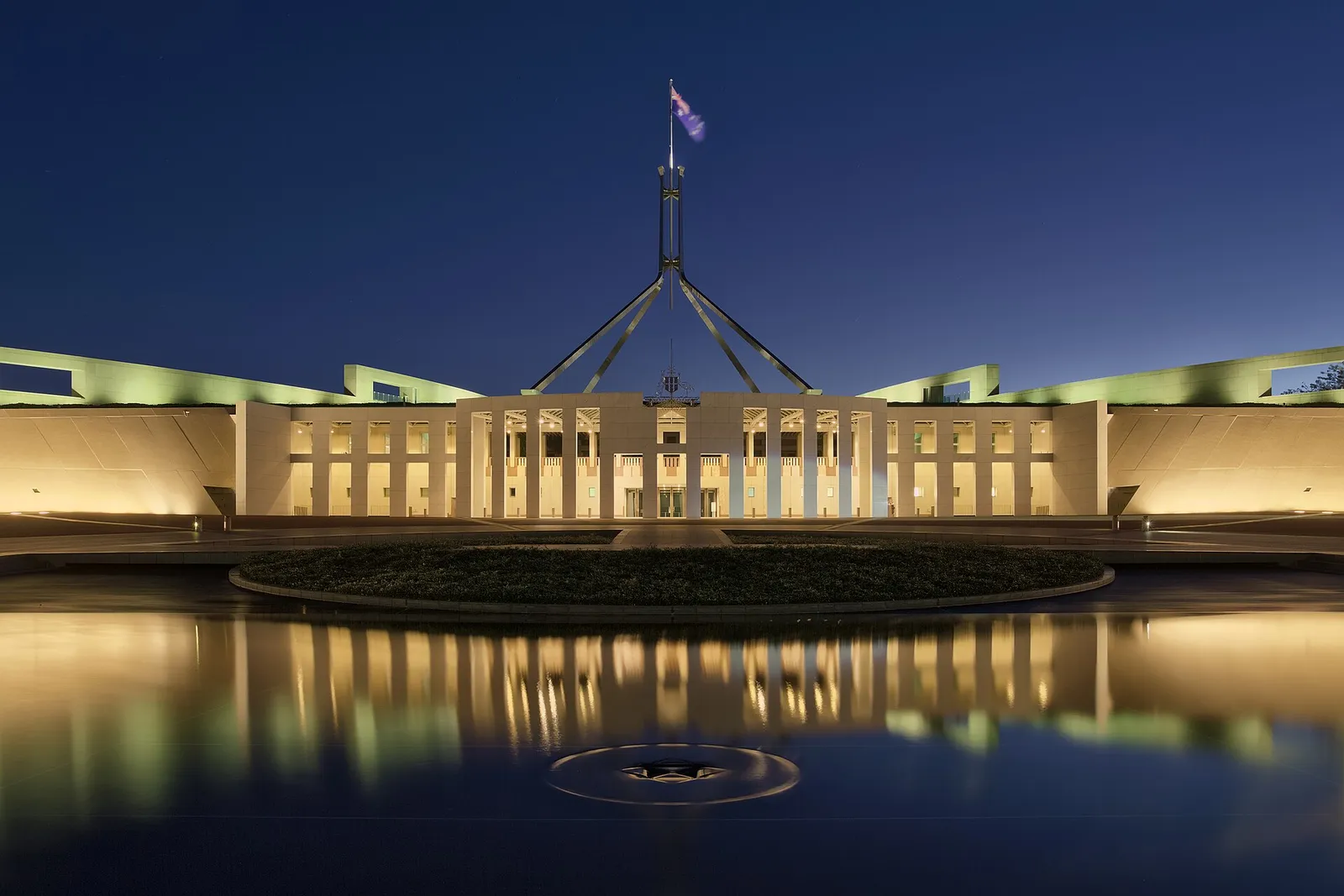
Mark Zuckerberg and Priscilla Chan have bought Strancally Castle and its 440-acre estate in County Waterford, in the Blackwater valley in the southeast of Ireland. The purchase was made off-market and became public this week.
The price has not been disclosed. The Irish Times estimated the value at between €20 million and €30 million based on the house and its recent restoration, and the sale has not yet appeared on Ireland's Property Price Register, which is the public record where the actual figure will eventually show up. Any number reported before then is an estimate rather than a fact.
A spokesman for Zuckerberg confirmed the purchase and said the family looked forward to spending time in Ireland and to continuing to care for the house. The couple will remain based in the United States and use the estate on visits. Meta has had its international headquarters in Dublin since 2009, though the company has not linked the purchase to its operations there.
The house
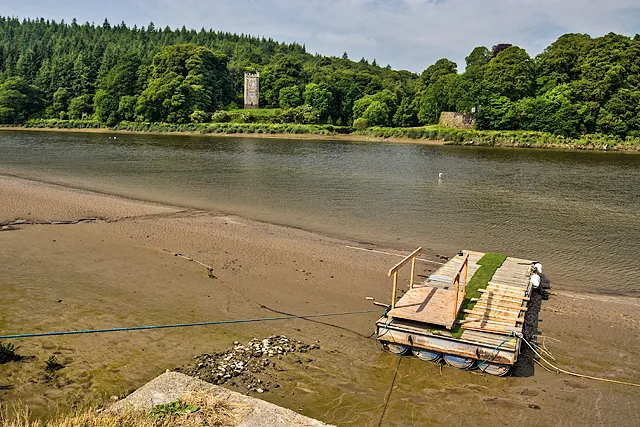
Strancally sits above the River Blackwater, a river long lined with country houses because it was navigable and gave estates a route to the sea. The present castle is a Gothic Revival building dating from the late 1820s, in sandstone and limestone, with towers, a library and a series of reception rooms, and it was extensively restored over the past two decades by the previous owners, Michael and Giancarla Alen-Buckley, who held it for twenty-five years.
The grounds also hold the ruins of a much older castle. The site was fortified in the Anglo-Norman period and later held by the FitzGeralds, Earls of Desmond, who used it to control traffic on the river. That layering, a nineteenth-century romantic house built beside a genuine medieval ruin, is characteristic of the Irish country estate and is much of what such places sell on.
A pattern, not an outlier
Zuckerberg joins a well-established queue. James Dyson bought Ballynatray House, also on the Blackwater and a short distance away, in 2024, and John Malone has acquired estates in Ireland over a number of years.
The appeal is not difficult to identify. Ireland offers political stability and a straightforward legal system, places no restriction on foreign nationals buying residential property, and has a mild, wet climate at a moment when southern Europe is getting hotter and drier. Large estates there are also comparatively cheap against equivalent trophy property in England, France or the American West, and they come with privacy that is hard to buy anywhere within reach of a city.
Whether that is good news depends on where you stand. It brings restoration money to houses that are expensive to keep standing, and employment to rural areas that have little of it. It also converts working land into private amenity and puts a category of property permanently out of local reach. Both of those things are happening, and the Blackwater valley is where you can currently watch them happen next door to each other.