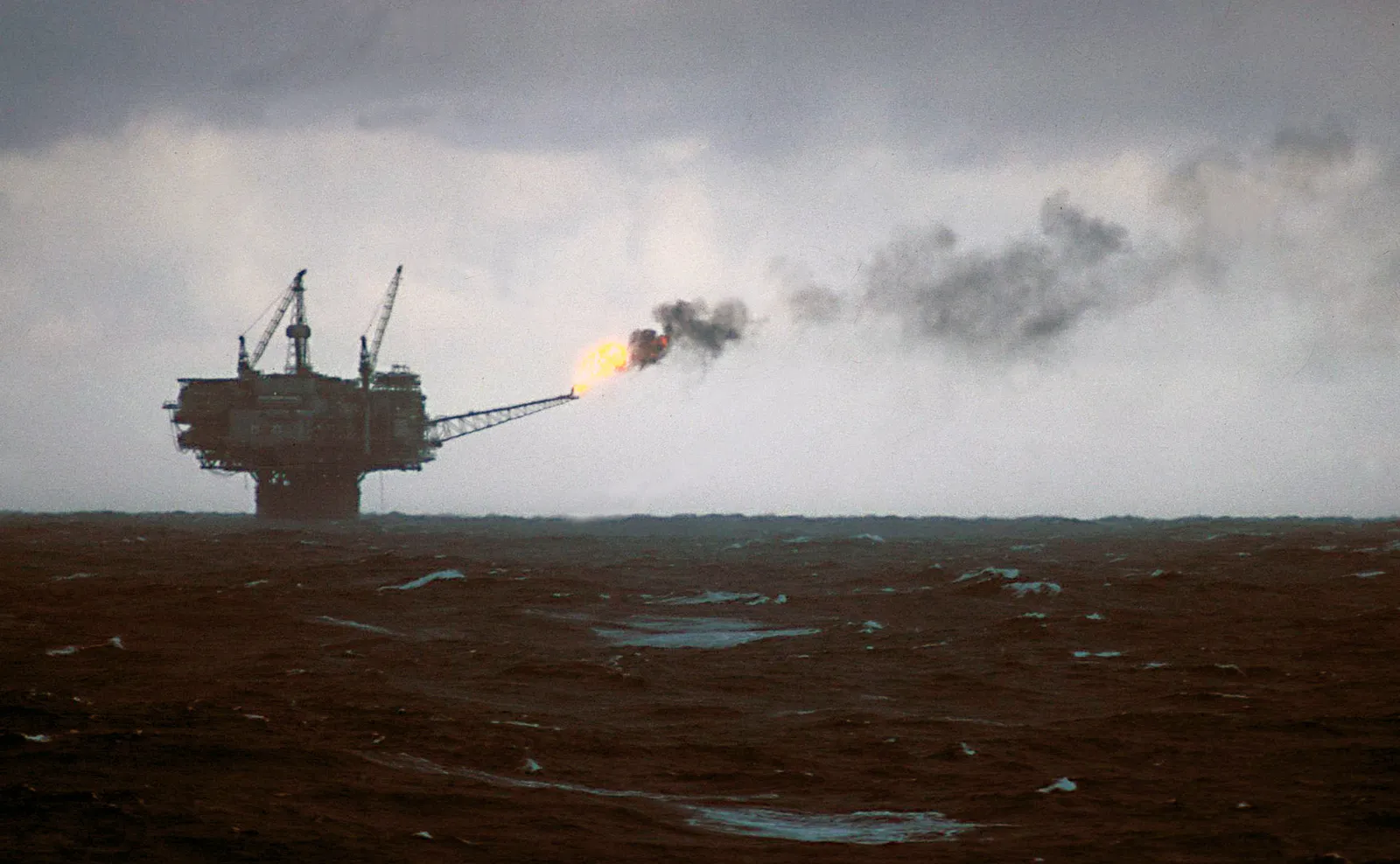
The company behind a planned North Sea gas field has told UK regulators that the project would have a negligible effect on the climate, an argument that has become the center of a fight over whether it should go ahead. Adura, a joint venture between Shell and Equinor, says the Jackdaw field off Aberdeen would represent roughly 0.02 percent of global greenhouse gas emissions.
The company's argument
In an updated environmental assessment, prepared after a legal challenge, Adura concluded that "the project alone will not materially influence the evolution of future global GHG levels," and said it was consistent with the path toward net zero, the PA news agency reported. The company frames the field as a contribution to UK energy security. The reassessment, now out for public consultation, closes on August 10.
Why the field is being reassessed
Jackdaw is being looked at again because of a change in the law. In 2024 the UK Supreme Court ruled, in a case known as Finch, that assessments of oil and gas projects must take account of the "downstream" emissions produced when the fuel is eventually burned, not just those from getting it out of the ground. In 2025, a Scottish court found the earlier approvals of Jackdaw and the larger Rosebank field unlawful for failing to consider those emissions, sending the projects back for fresh assessment, the Institute for Government noted. The decision now rests with ministers.
What campaigners say
Environmental groups reject the idea that a small percentage means a small impact. Greenpeace, which helped bring the legal challenge, said the newly disclosed figures show the field would generate emissions on the order of tens of millions of tonnes of carbon dioxide over its life, comparable, it argued, to putting millions of extra cars on the road, Greenpeace UK said. The campaign group Uplift argued the field would meet only a small fraction of UK gas demand and, because the gas is sold on the open market, would do little to lower household energy bills.
The wider stakes
The dispute is about more than one field. It tests how the Finch ruling will work in practice, and how the government weighs energy security, jobs and investment against climate commitments when the emissions from burning a project's output are counted. Supporters of new North Sea development say the UK will need gas for years and is better producing its own; opponents say approving new fields is incompatible with climate goals. Ministers now have to decide, with Jackdaw as an early and closely watched test of where the line falls.