NATO allies used a summit in Ankara this week to unveil a wave of new defense contracts, headlined by a commitment of about $26 billion toward integrated air and missile defense. The announcements, made as leaders including President Trump gathered in the Turkish capital, were pitched as evidence that Europe is moving to rebuild its own military capacity rather than rely so heavily on the United States.
The headline pledge
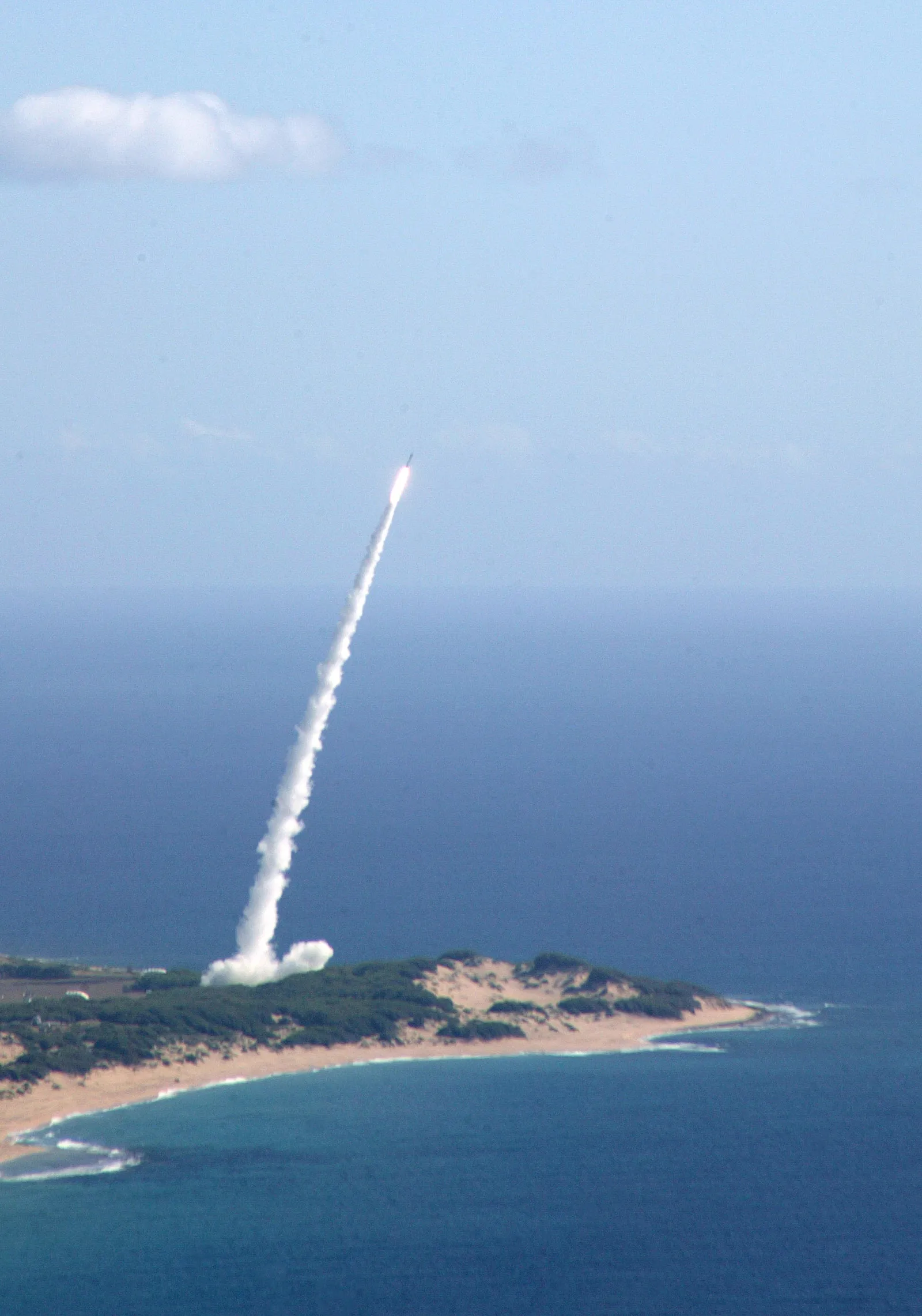
The alliance's secretary general, Mark Rutte, said members would invest roughly $26 billion in linked air and missile defense systems, which NATO officials described as a first line of protection against aerial threats, the alliance said. Officials tied the urgency to recent incidents, including Russian drones straying into NATO airspace and missile launches in the Middle East that allied forces helped intercept.
Beyond air defense
The air-defense figure was one piece of a larger package. Allies also pointed to multibillion-dollar plans for counter-drone systems over the coming years and for long-range strike weapons intended to reduce dependence on American munitions, AP reported. Several governments announced joint purchases, from surveillance drones to aerial-refueling aircraft, and Britain and Germany said they would lead work on a family of long-range missiles with other partners. The individual programs are at differing stages, and some are years from delivery.
Ukraine's appeal
The summit also gave Ukraine's president, Volodymyr Zelensky, a platform to press for faster help. He urged the alliance to speed the delivery of air-defense systems and the missiles they fire, arguing that Europe needs its own capacity to produce them to blunt Russian attacks, TIME reported.
The bigger shift
Taken together, the announcements reflect a change under way across the alliance: higher defense budgets, more joint European purchasing, and a stated goal of building an industrial base that does not depend on Washington. How much of the promised money translates into fielded equipment, and how quickly, will be the real test. For now, NATO's message from Ankara was that the spending is rising and the direction is set.