The United States launched military strikes on targets in southern Iran on Tuesday, the US military said, calling them retaliation for a spate of attacks on commercial ships in the Strait of Hormuz. The action marks a serious escalation in a confrontation that had appeared, until recently, to be easing.
What the US said it hit
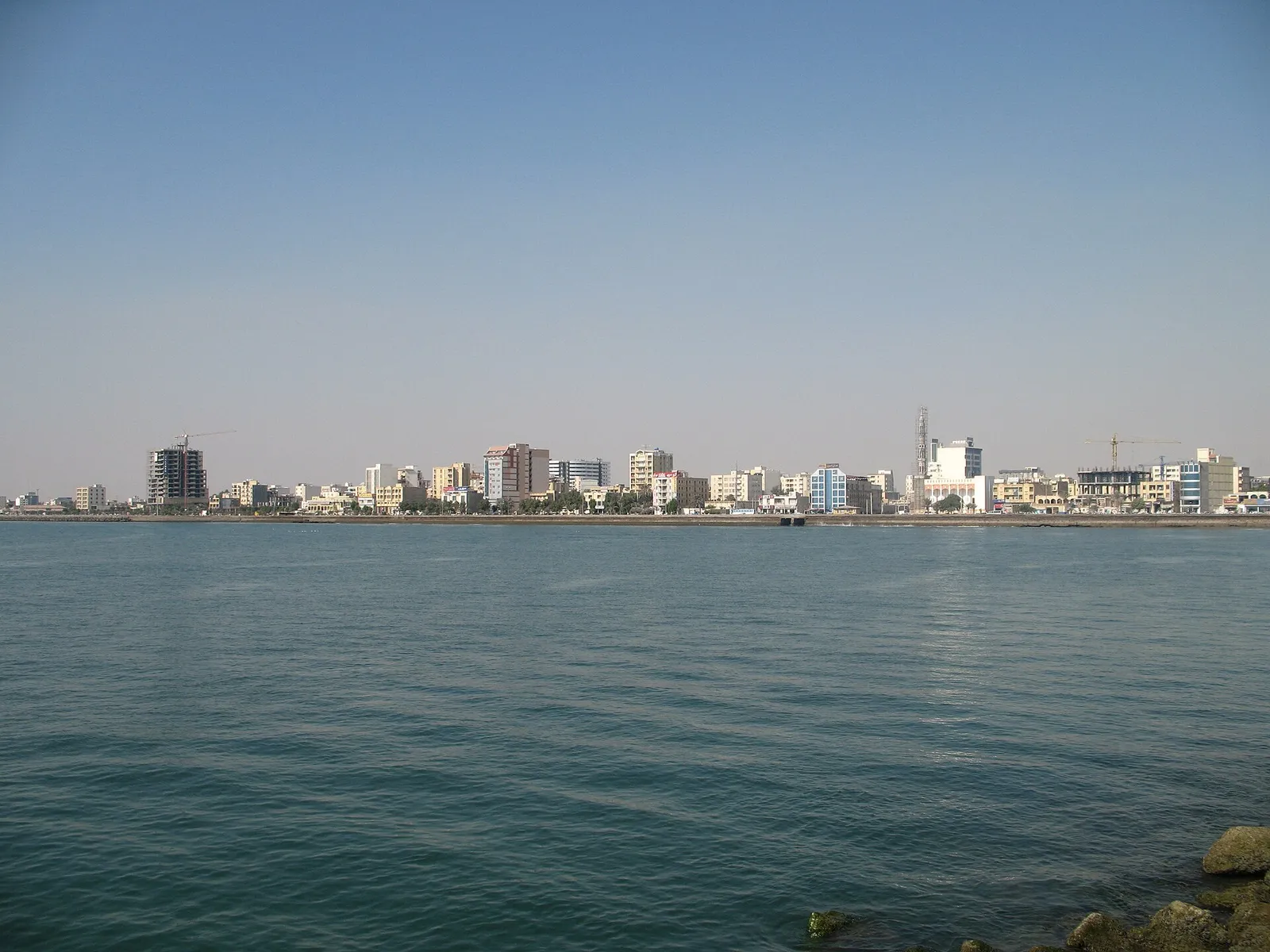
US Central Command said it had struck Iranian military sites in response to attacks on shipping in the strait, CBS News reported. US officials, speaking anonymously, said the strikes were aimed at Iran's air defenses, coastal surveillance, surface-to-air and anti-ship missiles and drone-launch sites, Al Jazeera reported. Iranian state media reported a series of explosions on Qeshm Island, near the Sirik port area and around Bandar Abbas, all along the stretch of coast that overlooks the strait. The extent of the damage was not clear, and casualty figures were not confirmed.
The trigger
The strikes followed attacks in recent days on three commercial vessels transiting the Strait of Hormuz, including a Qatari gas tanker that caught fire and a Saudi oil tanker that was damaged, NBC News reported. US and British officials had accused Iran of carrying out those attacks; Iran did not claim them. Hours before the strikes, Washington had also revoked a waiver that allowed Iran to sell oil, part of the same pressure campaign.
Iran's response
Iran condemned the US action. A deputy foreign minister said the strikes were a serious breach of a memorandum of understanding the two sides reached in June to wind down their conflict, and Iran's foreign ministry said the country would take whatever measures it considered necessary to protect its security, Al Jazeera reported. As of Tuesday evening, Iran had not announced any specific military retaliation, and each side offered differing accounts of what had happened.
A fragile peace unraveling
The strikes are the latest turn in a conflict that flared earlier this year between Iran on one side and the United States and Israel on the other, a period that included the killing of Iran's supreme leader and heavy disruption to shipping through the strait, before a June understanding brought a pause. That pause now looks badly frayed. The Strait of Hormuz, through which a large share of the world's oil moves, is again the flashpoint: an attack on ships, a revoked oil deal and now air strikes, in the space of days. With Iran promising a response and the situation still developing, the risk is of a spiral that neither the region nor the global economy can easily absorb.